


A Mock Court Hearing From Roll Call to Readback With Speechmatics
Run a complete fictional footbridge hearing with Martel stenomasks, two witnesses, exhibits, a recess, a disputed readback, and four separate scores.
Consider three things a voice writer might say during the same minute. The witness says the word “answer” as part of her testimony. The reporter uses a personal cue to start an answer paragraph. Counsel then asks to include a document. To a person at the desk, these have three distinct purposes. The first belongs in the witness's words. The second belongs to the operation of the reporting software. The third is something a participant said, even though it contains the familiar verb “include.” Good command practice gives equal attention to preserving literal testimony and carrying out the reporter's intended actions.
Stenograph describes a Personal VoiceCommands dictionary in its guide to using Dragon Professional with CATalyst VP. It associates the dictionary with question and answer formatting and colloquy, and describes entries for functions such as Auto Includes and voice-invoked macros called AccelerWriters. Stenograph separately announces on-device Speechmatics integration for CATalyst VP. A reporter comparing the two workflows can use the documented Dragon arrangement as an established starting point. For the Speechmatics run, ask Stenograph which commands and procedures apply to the confirmed edition, build and license. Then use your own practice job to see what happens with each supported action. Stenograph’s Dragon workflow and Personal VoiceCommands · Stenograph’s Speechmatics announcement.
This guide supplies an exercise method and a fictional museum inventory hearing. It does not supply universal spoken command strings. On your private worksheet, write the actual cues you have established in your own supported configuration. In the script, ordinary descriptions like “begin the witness’s answer” tell you what result to produce. The phrase itself can stay on the practice sheet. That way two reporters who have different personal cues can work through the same exercise and compare concrete results. They can also keep private command dictionaries and personal equipment at their own desks.
Start with a sheet of paper cut into cards or a document with one entry per action. On the front of each entry, describe the job, the surrounding context and the action you intend. On the back, record the authorized cue or procedure for your configuration and the specific evidence that would count as success. For example, the front might say “The witness begins speaking immediately after counsel asks where the glass pin is stored.” The back might say “A new answer paragraph begins and contains the words ‘under the foam pad.’” Put any actual spoken cue on a line of its own.
Choose six actions for the first deck. Include beginning a question, beginning an answer, changing from testimony to a named colloquy speaker, returning from colloquy to testimony, inserting one harmless practice Include and invoking one harmless macro whose behavior you know. A reporter who uses a different collection can substitute a verified action. The aim is to vary what success looks like. A paragraph change leaves different evidence from inserting a prepared passage. A macro may perform more than one operation. Describing the expected result in advance prevents a visually interesting change from being mistaken for the intended one.
Stenograph offers a sample voice-file package with two Personal VoiceCommands dictionaries, a VP keyboard map, a custom layout file and accompanying guidance. The sample download page explains how those materials are supplied and how they can be restored. Treat official samples as practice resources and preserve your own configured work when arranging a training environment. If you want to try the official sample, use the publisher's instructions for your setup and identify which dictionary the practice uses. A classmate’s familiarity with a cue from a sample set is a reason to check your own files before relying on it at your desk. Stenograph sample voice files.
Give each card a status you can explain. “Ready for the Dragon reference session” means that you have identified the action in your established setup. “Confirmed for the Speechmatics session” means the publisher’s guidance covers the relevant option for the actual installation. “Demonstrated” means the action produced a recorded result in your practice job. You can also leave space for an unresolved question. Record the question plainly, such as whether an existing entry can be used in the confirmed workflow. A quiz deck is a good place to learn how the software behaves. Your only working copy of a personal dictionary deserves more deliberate handling.
Every action needs a left boundary and a right boundary. For an answer cue, the left boundary might be the last word of counsel's question. The right boundary might be the first ordinary word the witness speaks. A good result preserves the question, places the answer on its own line and retains that first word. If you check only that an answer designation appeared, you may miss the fact that the end of the question moved with it. Think of the words on either side as witnesses to what the operation actually changed.
For an Include, choose a short invented passage that you can recognize by eye and by meaning. The fictional museum might use a practice note identifying the point at which a photograph is presented. Decide whether you expect the sample note before or after the witness answers. Write down the note’s first word, its last word and the two surrounding lines of testimony. When you inspect the job, verify all four items. A note inserted twice can look reasonable at first glance, especially if it crosses a page break. The bounded test gives you a reliable way to notice the extra copy.
For a macro, describe the practice starting state, what invoking it should do and what you should be able to do next. Pick an existing, harmless action you understand, such as one that arranges a familiar piece of formatting in a practice copy. If the details depend on your setup, write them from your own instructions. Run it on fictitious material with the surrounding words saved. A useful result includes what the next ordinary dictated phrase does. An action can produce an expected visible change while leaving the reporter positioned somewhere other than the intended next sentence.
Keep one negative control in the deck, meaning an example where you deliberately want literal words. For example, the witness might say “I wrote the word answer on the back of my card.” Put the entire sentence into the reference. Do not treat ordinary words as commands merely because they resemble the name of an action in English. The actual cue and its interpretation depend on the configured workflow. Your goal in this drill is to verify whether the original literal sentence remains intact in your familiar setup and in the publisher-supported arrangement you are comparing with it.
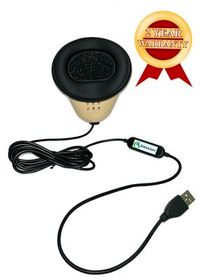
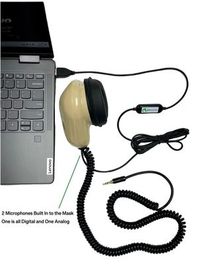
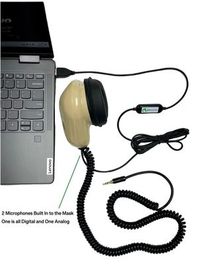
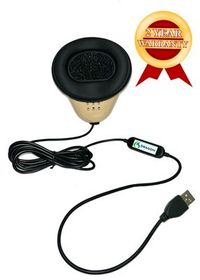
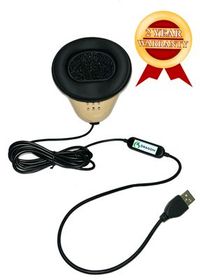
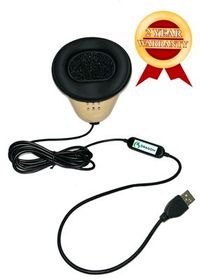
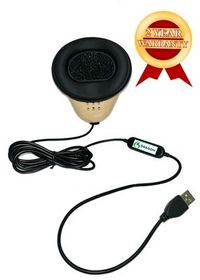
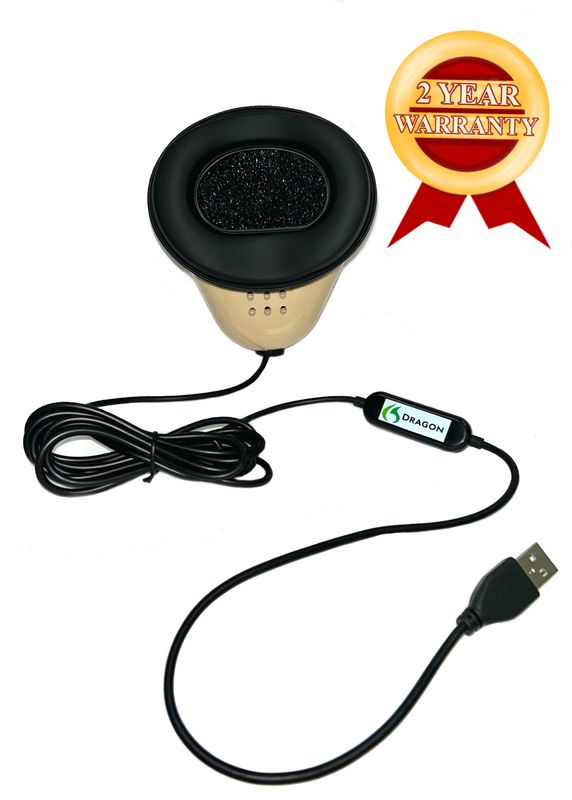
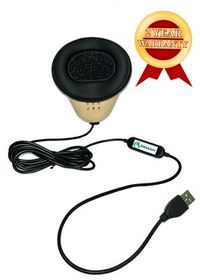
Martel identifies the Dragon USB Stenomask as a direct USB microphone for the reporting computer. If your command deck is all about what happens after you speak, an opening sample tells you what the computer actually heard. Say a made-up session name, then a simple question and answer containing the same first sound as one of your working cues. Save and replay the sample. Note whether the first syllable and the words around it are intelligible to you. Good audio evidence is especially useful if a cue later appears as ordinary text in the practice job. Martel’s mask connection guide.
Martel’s Double Dragon 2 provides an independent 3.5 mm microphone connection in addition to its USB microphone path. A compatible recorder receiving that second input can preserve another copy of what you dictated. Record a distinctive opening phrase at both destinations and replay both files. Both mask microphones capture the reporter's voice. A separate room microphone can provide original speaker audio when your practice plan includes it. For a command drill, label the file containing your own cue explicitly. The voice of the person reading counsel’s question cannot tell a reviewer exactly which cue you spoke into your mask. Double Dragon 2 connection details.
Martel lists voice-writing setup assistance and help transferring files with its VOX Elite laptop packages. Bring the command deck to a setup appointment along with your personal mask, the exact CAT product and build, and an invented practice job. If you are considering the 32 GB or 64 GB option, use Stenograph's confirmed requirements and your description of a real work session in that decision. Make the appointment goal observable. “Produce an answer paragraph, insert the harmless sample and reopen the job” is something you can demonstrate yourself on the prepared VOX laptop before you pack it away. VOX Elite 32 GB package · VOX Elite 64 GB package.
Speed here means more than how quickly you can pronounce a sequence of cues. Time one short question, its answer and your return to counsel, then check whether all three pieces remain correctly positioned. Keep separate notes for the time you spent reviewing or correcting them. A spoken shortcut that arrives quickly and lands at the intended point saves different work from a correct word that requires moving to another paragraph. Your recorded tests at your usual position and pace are the basis for any conclusion about speed and accuracy in your own setup.
We handcraft our Dragon USB and Double Dragon 2 stenomasks in limited quantities. If a batch sells out, there may be a waiting list.
The invented hearing concerns a display model of a small ferry, one brass pin and a transparent cover. The administrator is Rowan Ilse, the witness is Asha Corin and counsel is Ellis Merren. Prepare blank cards headed “question,” “answer,” “colloquy,” “return,” “Include” and “macro.” For each action, add the cue you actually use in the confirmed setup or mark the action as a question for the publisher. Use your ordinary transcript style for the practice. The names of roles in the following dialogue identify the fictional speakers for the reader and do not prescribe what to say as a command.
Counsel. Please describe the model as it looked when you saw it on the worktable. Witness. The boat rested on a folded gray cloth. Its transparent cover was on the other end of the table. There was a brass pin in a shallow dish beside the model. I could see a second mark in the dish that looked like a pin, but when I touched it I found that it was a scratch. Counsel. How many loose brass pins did you actually see? Witness. One. The scratch curved in the opposite direction from the pin.
Counsel. What did you write on the inventory card? Witness. I wrote the word answer under the printed question about loose parts. The form had a place for a question and a place for an answer. In the empty space below the word answer, I wrote “one short brass pin.” Counsel. Was that a command you were giving somebody? Witness. It was my note to the person who would count the pieces. I wanted that person to see that I had answered the printed question. The writing was in pencil.
Administrator. Could we have the image of the card on the screen before the next question? Counsel. Yes. I will put up the photograph with the ruler at the top. Witness. That photograph is the back of the card. My note was on the front. Administrator. Let's use the one with a striped ruler. Counsel. Thank you. I now have the front on the screen. Counsel. Ms. Corin, can you see the two words beneath the printed line? Witness. I can see the two words “brass pin.” The word “short” is partly covered by the clip in the photograph.
Counsel. Is the clip evidence that you used it to attach the card to the cloth? Witness. The photographer attached the card to a board for that picture. I brought the card to the worktable in the pocket of my apron. Counsel. Was the pocket beside the transparent cover? Witness. I was wearing the apron. The transparent cover was sitting on the other end of the table. Counsel. You said “include” when you spoke to the photographer that afternoon. What did you ask the photographer to include? Witness. Include the edge of the card so people could see the strip of old tape.
Administrator. For this practice, let's identify the photograph we have just discussed. Counsel. The print showing the striped ruler is the one I am presenting. I will call it Photograph H. Witness. May I put a small square on my paper copy beside the clip? Administrator. Please leave that copy as it is and mark the separate practice copy instead. Counsel. I will hand the witness the spare sheet. Witness. Thank you. I have drawn a square beside the clip. The card itself is still inside its clear sleeve.
Counsel. When did you lift the transparent cover? Witness. I lifted it after the pin was placed in the dish. Counsel. Was the cover in place when the photographer took the image? Witness. The photographer took two images. In the first, the cover stood upright at the end of the table. In the second, the cover lay flat on the cloth and there was no model beneath it. Counsel. Which image shows the single brass pin? Witness. Both show the dish. Only the first gives you a clear view inside it.
The reader should pause after the first answer. The reporter should inspect whether the final word of counsel's question stayed with that question and whether “The boat” starts the witness's answer. Resume without changing the reference. During the discussion of the two photos, mark the switch to the administrator, counsel's reply, the interjection from the witness and the return to the pending question. Those transitions give the colloquy and return cards something concrete to produce. An instructor can choose a different sequence of stops for a second pass after the reporter understands the shape of the exercise.
At the agreed point after Photograph H is introduced, test the prepared harmless Include using the actual procedure supported in your practice environment. Keep the original fictional testimony intact on either side. For the macro card, make an editable copy of the completed invented job, define the starting location precisely and invoke the chosen verified action there. Read back the ten or so ordinary words around each action. That review shows both the requested operation and the surrounding words that ought to have survived. Record the job name and the action card that corresponds to each result.
Give the card a line for literal words, a line for formatting or action, and a line for recovery. Under literal words, compare the wording of the job with the performed reference. Under formatting, identify which expected paragraph or inserted material appeared. Under recovery, record what you actually found after saving and reopening the job. A single correct score for an entire card can conceal useful details. For example, the words “one short brass pin” may be right, the answer designation may be right, and the comment about the photograph might still be attached to the witness. Each finding points to a different adjustment.
In the literal-word test, count how many instances of “answer” were spoken as testimony and where they occurred. Listen to what your reader actually said, especially if the reader altered a sentence naturally. Distinguish the quoted word from the action you intended when you began a new answer paragraph. In the Include exercise, the witness also uses “include” as ordinary speech. Look for the entire sentence in which the photograph’s edge is mentioned. If a planted sample passage appears nearby, check how it got there against the action you intended. This method makes literal speech a deliberate part of checking a command dictionary.
In the photograph exchange, the administrator directs, counsel explains, the witness corrects and dialogue returns to an actual question. You need more than four correct name labels. Identify where a question begins after the discussion and whether the subsequent answer has its own designation. If you use a byline, verify the examiner it identifies and the question that follows it. A page can have familiar paragraph shapes while a change was assigned one turn early. Reading only the labels aloud and then only the first few words of each corresponding paragraph can expose a displacement.
For the harmless macro, examine what the operation left selected or where subsequent words went. Add a small phrase such as “practice resumes here” in the working copy, then locate it on the page. If it appears inside the inserted note when you intended it after the note, describe that precise boundary. Your question to a trainer is now narrow enough to reproduce. It concerns the end state of a named action in a named test file. You can ask about it without changing a working dictionary or circulating a real proceeding.
First, imagine an answer designation is present and the witness’s first word is missing. Listen to the source and then to the reporter's own dictation. If the reporter began with “Boat” and left out “The,” write that observation in the delivery column. If the mask file clearly contains both words, describe what appears on screen and whether it survives in the saved copy. In either situation, there is little value in rebuilding the entire cue deck. Use a new, short question with an answer beginning “An object” to determine whether a small initial word disappears in another context.
Second, imagine the question ends correctly but the next answer begins as continuing counsel. Verify the performed order again. Identify whether the reporter spoke the intended change cue and whether another word arrived immediately before or after it. Try the same action in a clean practice passage with a comfortably paced pause at the normal transition. Compare both outcomes. If one required action is still unclear under the newly confirmed setup, record that in the publisher column. Keep the recognized testimony and the paragraph placement as two separate findings in the original sample.
Third, imagine a practice Include appears with the right words, but it interrupts the witness midway through the description of an old tape strip. Locate the end of the previous sentence in the source and find the command in the reporter’s own recording if available. In an invented scenario it is easy for a partner to give the instruction a little early. The software may have carried out the action exactly where it was requested. Make a second copy of the test and agree on a more precise cue point, such as the end of the administrator's next complete direction. Check both boundaries again.
Fourth, imagine the macro changes the intended format and the following words appear in the right place, yet a reviewer cannot locate the sample later. That is a handoff problem with a simple experiment. Write a reference the reviewer can use without knowing your personal command, such as “the harmless practice note immediately following the introduction of Photograph H.” Give the reviewer the correct copy and ask them to find it. If they can identify it from the note, the command itself may be working as planned. Your first handoff simply described it from the operator’s perspective.
A report that helps another person might sound like this. “In my established Dragon practice configuration, the action for beginning an answer produced the intended paragraph and preserved the first word in each of three different made-up answers. In my publisher-confirmed comparison setup, I repeated the exercise with my own mask and saved both working copies. I would like to clarify which procedure applies to bringing in my sample note. My current question is about that one action.” The numbers and details in this illustration are fictional. Replace them with what you have actually observed before using the wording.
For the trainee who wants to know whether a session is finished, make the closing task concrete. Put the command cards away. Ask the reader to invent a new question and answer about the museum. Follow with one short colloquy exchange and a return to testimony. Save the rough and let the reader request a line by subject. A reporter who can correctly identify which words belong to the participants and which were directions to the software has demonstrated a valuable part of this workflow. Use the result to choose one card for additional practice on another day.
Give the results back to the person who served as the reader. Ask them to find the precise place where the witness pointed out that the first photograph showed the back of the card. Then ask for the first question counsel asked after the front was displayed. A reader can follow this sequence from the physical story even without knowing what a byline is. If the reader identifies the correction and then picks a statement of counsel as the next question, inspect the layout and then the actual words. The reporter may need to distinguish counsel introducing an exhibit from counsel questioning the witness, two actions performed by the same person during a single turn at the table.
For a second reading, put the deck in a different order and use a new invented item, such as a canoe paddle with a faded stripe. Make one participant use a word that resembles an action label on the cards. Ask the reporter to preserve the literal phrase and later perform the intended command in an unrelated sentence. The reviewer can mark the two locations with different symbols. This quick transfer exercise tests whether the reporter can recognize the purpose of the words in a fresh context. It also produces a short example to keep beside any card that needed a second attempt.
The wording protects you from giving credit for any visible change that happens to appear. If the card calls for an answer paragraph beginning with “under the foam pad,” you can check the designation, the first word and the rest of the phrase. A new line by itself would satisfy only part of that description. Writing expectations in advance also helps a partner score a command they do not personally use. Their task becomes checking observable results against a reference you agreed on before dictating the passage.
Stenograph’s getting-started guide for CATalyst VP describes the Personal VoiceCommands dictionary in its Dragon workflow. The guide associates it with formatting and gives examples of additional kinds of entries. It also points users toward the installed CATalyst Help for details. Use the public guide to identify the established feature being discussed and the installed help that applies to the particular procedure. For a question about use with an on-device Speechmatics installation, ask Stenograph to connect the command and the procedure to your exact supported configuration. Stenograph’s guide to the Personal VoiceCommands dictionary.
Choose a handful you can test all the way through. Six is a useful exercise size when it includes both simple paragraph changes and a more involved action. If you have only ten minutes, start with one question cue, one answer cue and one example of literal speech. Save the job and review the result before adding another card. The meaningful number is how many actions have a documented purpose and a verified outcome. A long list with empty result boxes tells you little about the job you will handle tomorrow.
You can discuss how another reporter describes an action, but first identify what your own installed setup supports and which entry you actually use. A cue can be personal to a dictionary or configured workflow. For the shared exercise, write “move from witness to administrator” on the common reference. Each reporter writes their own method privately and checks the resulting paragraph. This keeps the exercise comparable across desks without implying that copying a word from a colleague will give both users an identical command.
Stenograph describes the contents of its sample voice-file backup, including personal command dictionaries, a keyboard map and a layout. The accompanying materials explain how to work with the sample files. They can give a class or an individual a common starting resource under the publisher’s guidance. Note whether you are using a sample or your own ordinary files. The meaning of your observations changes if the same spoken cue was tested with different dictionaries. Keep your practice environment and the files you rely on for current work identifiable.
Give Stenograph your CATalyst VP edition and installed build and ask which personal-command functions and migration procedures it supports for the Speechmatics route available to you. Include a short inventory of intended actions, such as beginning an answer and using one existing practice Include. You usually need the rule or procedure that applies to those actions more than you need a prediction about all commands. Save the publisher’s response with the date and test only the actions you can identify for the confirmed arrangement.
The actual words are most useful to the person operating that particular setup. A partner scoring a test needs to recognize the intended result and the corresponding passage. If you provide every private cue first, the partner may listen for those sounds and overlook where a participant's own words went. Give the scorer the expected output and a location they can find. Share a specific cue privately with the appropriate support recipient if it is needed to reproduce a technical question about the fictional exercise.
Record a small approved practice passage containing the action. Use a distinctive marker and locate the cue with the ordinary word just before and just after it. Listen to the reporter’s dictation source. A separate room source is useful for the participants' speech and the timing of their turns, while the mask file can reveal what the reporter said. If no dictation file was recorded, label that evidence as unavailable. Rehearse again with an intentional recording arrangement to answer the question directly.
With its independent second microphone routed to a compatible recorder, it can provide a separate recording of the words you spoke into the mask. Confirm that the recorder actually saved a file and listen to the command alongside the surrounding testimony. If the USB job and the recorder both contain the same session marker, you can locate the corresponding passage more easily. Use that evidence for questions about the reporter’s cue and delivery. An original room speaker remains a separate source when you need to hear the person being reported.
Choose a short question with a distinctive first word and a meaningful last word. “Which tray held the pin?” is easy to locate even amid several turns about museum items. Check that the examiner's question has the intended beginning, the entire question remains together and the answer begins at its own boundary. For a second take, place the question after a brief colloquy interruption. Testing the same action from two different starting points reveals whether your practice depends on a particular previous paragraph.
Check CATalyst VP VoiceCommands for Q&A, colloquy, an Include and a macro. Use a Martel stenomask with a fictional museum hearing and a scoring guide.
Use a sentence beginning with a word that could easily be overlooked in editing, such as “A pin fell beside the cloth.” Listen to the source and your repeated words. Then locate the first ordinary word in the saved answer. A recognized action that starts an answer paragraph is useful, yet a small missing word can still change how a reader hears the witness. Repeat with new wording after a natural pause. This gives you a second observation without training yourself to anticipate exactly the phrase you just read.
A third person interrupts the pattern of alternating examiner and witness. A reporter must identify the speaker, preserve the actual remark and return to the correct participant afterward. In the museum exercise, the administrator asks for an image and the witness corrects which face of the card is showing. Read the sequence of speakers aloud from the rough, then read the first words under each designation. If the name appears correctly but one remark shifted to the next speaker, the second reading will make the displacement easier to spot.
Write the expected examiner identity and the question you want to follow it. Arrange a short exchange where another participant speaks immediately beforehand, then invoke the method supported in your configuration for returning to examination. Check the examiner, position and next words as a group. If the byline is visually attractive and identifies the correct person but is placed one question later, note that specific finding. The aim of a byline in this exercise is to help a reader follow the right person through the right portion of testimony.
Use a brief piece of harmless fictional material with a clear opening and closing word. An invented note for identifying a marked practice photograph is enough. Write the two lines of testimony between which you expect it to appear and decide how many copies should be inserted. Check the start, end, placement and count when you reopen the job. Avoid using official certification wording as a casual test. A harmless sample with distinctive wording makes it easier for a partner to identify exactly what the exercise was intended to bring in.
Write a line in the reference where a participant naturally uses the verb. The witness asking the photographer to include the edge of a card is one example. Dictate it as testimony using the procedures appropriate to your configuration. Then perform a separate, intentional Include action at a location specified on your private card. A scorer can now check for two independent outcomes: the literal sentence retained in the transcript and the prepared practice text present at the agreed point. Give separate results for those two observations.
Select a familiar action with a small, visible purpose that you already understand in a disposable practice copy. Ask the instructor or publisher which one is suitable for the training environment. Identify what the cursor or selection should be doing when you start and what you expect when the action finishes. Follow the action with a small, recognizable phrase. That last phrase shows where ordinary dictation resumes. Choosing such an action lets you practice the concept of an AccelerWriter without exposing working material to a complex sequence you have never reviewed.
Locate both the intended insertion point and the actual one. Write down the nearest words before each and whether text was selected at the time. Check how the reporter reached that position in the exercise. If possible, restore the starting point in a fresh practice copy and try a single controlled repetition under the relevant instructions. You now have useful material for a question about position, selection or sequence. Repeating the macro throughout the same file can make the original insertion much harder to diagnose.
An action may look complete when a formatted element appears, while the practical value depends on how ordinary work resumes. For instance, the inserted museum note could be correct and the witness’s next words could appear inside the note. Give the following sentence an unmistakable opening, such as “The ferry rested on the cloth.” Find it after saving. An independent check of the next sentence tests the working position left by the command. This often explains why a card seemed successful during dictation and needed attention during review.
It means the text you inspected contains the words of the cue where you expected an action. Start with that limited observation. Confirm the intended action in your configured environment, identify the dictionary or procedure in use, and check whether you spoke the cue clearly in context. Try one short fictional exchange under the publisher’s instructions. If the result repeats, you can report the exact cue, expected outcome and observed text privately to the appropriate support representative. The observation alone cannot establish the cause across all installations.
Check whether the reader actually said them and whether you repeated them into the mask. Listen to the full sentence instead of searching for one isolated sound. In the museum example, the word “answer” is part of a written label the witness describes. Check the job immediately before and after that phrase for a paragraph change or other action. Then test a different invented sentence containing the same literal word. Keep the result from that second sentence distinct from the first, since context and your own delivery may differ.
Begin at a pace at which you can notice what happens at each intended boundary. Increase to your usual working pace in a separate take and record both the elapsed time and the number of edits needed to recover the intended result. A faster initial take can save time or shift work into later review. Your notes will show which occurred for this passage. Use a fresh phrase as well as the familiar script so you can see how your setup behaves when you cannot anticipate the next question.
First identify whether the action placed the correct words under the correct speaker. Then inspect presentation according to the style you are testing. For example, a correct answer paragraph and accurate literal words may still require a comma or a change to capitalization. Record that as a presentation finding unless the punctuation changes the intended meaning. A scored command deck can show both kinds of work. Keeping them separate helps you choose whether the next session should focus on your cue, your delivered words or your formatting expectations.
Let the practice partner arrange the cards in an order that preserves a sensible conversation but changes which event comes next. The partner might introduce a picture before the first long answer or shift an interruption into the middle of a second question. Ask the reporter to handle the event using their own verified method. Save the job and give the partner a subject-based readback request. This makes the exercise test recognition of the situation as well as the ability to execute a sequence learned in advance.
Include the CAT edition and build, the recognition route confirmed for that installation, the intended action and a short excerpt of fictional context. Say what the reporter spoke, what the saved job contains and what you already reproduced in a clean practice copy. If an audio sample is relevant, identify whether it is the reporter's dictation or the source speakers. Omit unrelated account identifiers from a general example. A support representative can now distinguish a literal word in testimony from a personal cue that was meant to operate the software.
Identify which actions the publisher supports for each configuration. Use a common fictional reporting goal and keep the actual documented procedure attached to its own workflow. A fair comparison can ask whether the resulting answer paragraph, speaker switch or prepared passage is usable without requiring both systems to implement identical steps. Record what the operator did, which equipment supplied the input and what the saved result showed. If an action is awaiting publisher guidance, mark it pending. Give credit only for actions you actually demonstrated in the configuration named.
A clearly bounded drill can be part of checking your prepared working environment. Bring the personal mask, an approved practice job, the confirmed software route and a few command cards you already understand. Ask to verify the microphone sample, open the practice job and demonstrate one ordinary reporting action. If a question arises about whether Stenograph supports a particular command with a particular engine, record it for Stenograph. This lets you use the equipment appointment productively while keeping the software question with the company that publishes it.
Record which layout applies to each exercise. A familiar command should be judged against the presentation you designated for that run. For example, identify how you expect a question, a named speaker and an inserted note to appear under the chosen practice layout. If you want to compare a second layout, create a separately named job and give the scorer the new reference. Two different intended appearances can both be correct. Without those references, a fair observer might mistake a deliberate layout difference for a command problem.
Give the scopist the fictional reference and the identity of the working copy. Ask for observations about specific boundaries, such as where the witness corrects the displayed photograph or which paragraph first follows the prepared note. The scopist can describe what the text shows without needing to know your private commands. Ask them to identify a passage by surrounding words if they recommend a change. That gives you a durable reference even if page or line positions move after the practice copy is edited.
Keep an example of each verified action in its original context, with the date, edition, build, recognition route and job name. Include one literal-word example as well as the intended command example. Save the practice deck with the reference you used for scoring it. A later session can begin with a small known-good example and move quickly to a new goal. Retaining a result this way also gives you something meaningful to compare after changing laptops or adjusting how you arrange your personal working files.
Choose an action that matters to your work and whose cause or boundary is still unclear. Perhaps questions and answers are dependable, but a witness interjection following an administrator’s direction lands on the wrong line. Build a new two-speaker exchange around that transition and give it one unexpected first word. If inserting a sample note is the concern, move it to a different agreed location and check the two adjacent lines. A targeted second session does more to improve a real job than repeatedly running a large deck that mostly works.