


A Mock Court Hearing From Roll Call to Readback With Speechmatics
Run a complete fictional footbridge hearing with Martel stenomasks, two witnesses, exhibits, a recess, a disputed readback, and four separate scores.
Imagine that a witness identifies a charge as fifteen dollars. Your saved rough displays $50.00. The currency symbol is in the right place and the decimal has two digits, yet the amount is wrong. Now imagine that the rough displays “fifteen dollars” where your office normally wants $15.00. The underlying amount survived. One line calls for checking the value against the evidence. The other calls for applying the appropriate style to a value you have verified. Telling those situations apart is one of the most useful skills a court reporter can develop while reviewing a rough.
This guide gives you a practice packet about a fictional community print shop that prepared posters for an exhibition. It contains two orders, several receipts and a witness who changes one answer. Each document and line of dialogue was invented for this exercise. The point is to follow exactly which value the speaker gave, what you repeated into the mask, what appeared in the CATalyst VP rough and how you would present that value in a reviewed practice transcript. You can run the exercise with your own confirmed recognition configuration, including a publisher-supported Speechmatics setup where available.
Set out four sheets of paper or four labeled areas in a practice document. Name them “heard from the speaker,” “heard on my mask recording,” “shown in the saved rough” and “reviewed rendering.” Under each heading leave room for the speaker, a few words around the number and the thing being counted. A bare 15 occupies almost no space. Fifteen dollars for a delivery, fifteen sheets of white stock and Exhibit 15 can appear together yet mean entirely different things. Include the unit or identifier even when every numeral is perfectly clear.
Stenograph identifies CATalyst VP as its voice-writing CAT software. Its getting-started guide describes a Dragon-based configuration and a Personal VoiceCommands dictionary that can include number conversion entries. Use those instructions with the configuration they describe. For a Speechmatics installation, Stenograph separately describes on-device recognition integrated into CATalyst VP. Consult the publisher for the features, requirements and instructions that apply to your installed release. The practice exercise below compares words, values and placement in your own job. You can carry it out without assuming that two recognition choices process a number command identically. Stenograph CATalyst VP overview · Stenograph’s Dragon-based VP guide · Stenograph’s Speechmatics announcement.
Speechmatics explains a way of measuring word error by comparing recognized text with a reference and counting edits. That is useful background for documenting substitutions, additions and omissions. A reporter checking a financial figure can also use a second, practical measure. Ask whether the rough preserved the correct value, unit, sign and relationship to the testimony. A single changed word such as “fifty” in place of “fifteen” can change a bill by thirty-five dollars. A wholesale change in the written form of a correct number might leave the underlying amount entirely intact. Speechmatics on comparing a reference and recognized words.
Stenograph’s audio playback instructions explain how to begin listening from a chosen location in a CATalyst job that has associated audio. Before relying on a recording for this exercise, identify what it contains. A recording of the room can help you hear the fictional witness. A recording from the reporting mask can help you establish what you repeated. If both are available and appropriately distinguishable, they can answer both questions. Set up the practice so that you know which file or channel you are checking. An intelligible voice by itself does not identify its source. Stenograph’s CATalyst audio playback instructions.
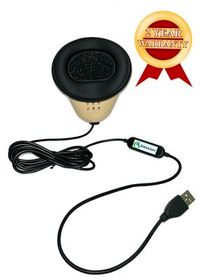
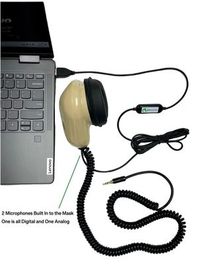
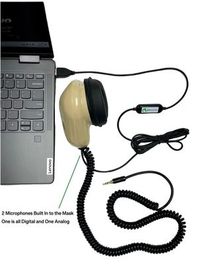
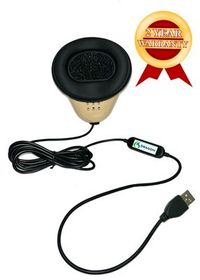
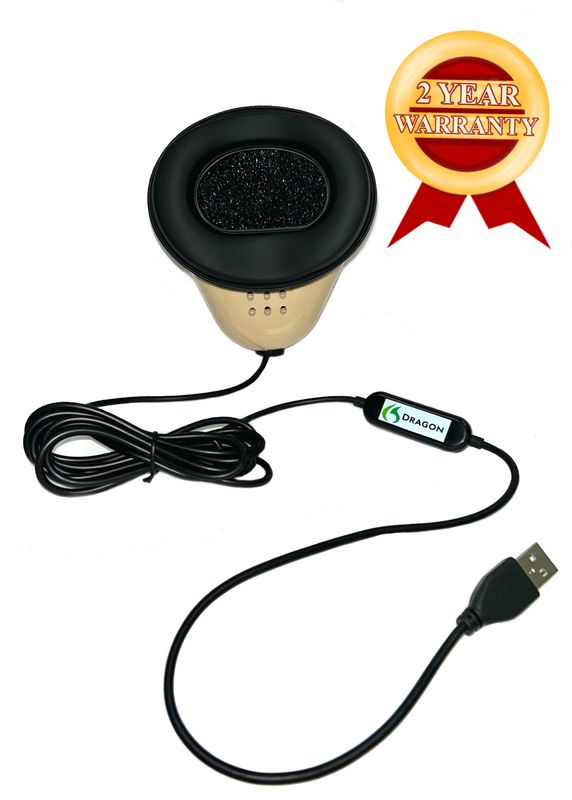
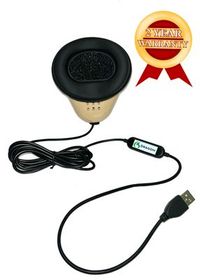
Martel’s Dragon USB Stenomask gives you the reporter’s microphone audio over USB. With the Double Dragon 2, a USB microphone can feed the computer while a second microphone provides a 3.5 mm connection for a compatible recorder. If your aim is to keep a separate example of the amount you actually dictated, that second source can be useful. Read “fifteen dollars for delivery” in ordinary dictation position, save the recorder file, and play that file on the recorder before treating it as part of your review packet. Both microphones in the Double Dragon capture your dictation. Compare Martel stenomask connections.
Build a fictional exhibit index with four entries. Exhibit 15 is a quotation from Loma Street Print. Exhibit 15A is a revised quotation from the same shop. Exhibit 50 is a delivery slip. Exhibit 50A is a marked copy of that slip. Write one identifying phrase beside each entry. The original quote lists a delivery charge. The revision changes the quantity of small posters. The delivery slip identifies two packages. The marked copy contains the receiver’s initials. A reader can now locate each exhibit by its number, its suffix and its function.
For this exercise, the printed label on the first exhibit is “15.” The printed label on the revision is “15A,” with no space. Have a partner read “Exhibit fifteen A” with a short, natural pause before the letter. Your role is to preserve the identifier and verify whether the letter belongs to the exhibit label or begins the next sentence. Look at the exact part of the spoken line around the letter. “Fifteen. A copy went to the desk” and “Fifteen A went to the desk” can lead a listener to different labels. Use the exchange and the mock index to check the intended reference.
Put an example of a conflict in the index on purpose. The mock cover sheet says “Exhibit 50A.” The witness later says, “I think that is fifteen A,” before looking again and correcting the answer. If the transcript silently fixes the first spoken identifier to match the paper, it loses the correction the witness actually made. Keep separate notes for the document’s printed identifier and the witness’s words. You may need both when reading back the exchange. The index helps locate an exhibit. The spoken record determines what the witness said about it.
In the last column of the index, write the page or line where you first use each exhibit in the practice rough. Leave it blank until you finish the first draft. If your practice format handles page and line numbering differently, use an identifiable nearby phrase instead. For example, “the driver waited at the blue entrance” is specific enough to locate the delivery slip. This turns the index into an editing tool. You can trace a correction from the witness’s answer back to the related exhibit while preserving the order of events in the transcript.
Here is the fictional quote. An envelope contains a bill for fifty small posters at fifteen dollars each. The original delivery charge is fifty dollars. The revised quote keeps the unit price and reduces the number of posters to forty. A separate rush charge of fifteen dollars appears on the revised quote. Write each entry in a complete phrase. “Unit price, fifteen dollars per small poster” gives a reviewer more information than “15.” “Rush charge, fifteen dollars once on the revised quote” has the same numeric value and a different role in the transaction.
For practice, calculate the figures on a separate worksheet. Fifty posters at fifteen dollars each total seven hundred fifty dollars. Adding the fifty-dollar delivery brings the original stated charges to eight hundred dollars. Forty posters at fifteen dollars each total six hundred dollars. If the revised quote retains the fifty-dollar delivery charge and adds the fifteen-dollar rush charge, its total is six hundred sixty-five dollars. Those figures let you check internal relationships in the invented documents. They do not authorize supplementing spoken testimony with an amount that the witness never stated.
Read this exchange aloud to your partner. Question. What was the price per small poster? Answer. Fifteen dollars. Question. Were there fifteen posters? Answer. There were fifty on the first quote and forty on the revision. Question. Did the driver collect the fifty-dollar delivery charge? Answer. No. The driver collected the fifteen-dollar rush charge. The rest was billed later. Your partner should hear four different roles for similar-sounding figures. The unit price, original quantity, delivery fee and amount collected all need their own entry on the practice sheet.
The answer key is specific. A document line with “15 posters” for the original order changes the quantity. A line with “$50 delivery” accurately represents the planned delivery charge. A final answer with “the driver collected fifty dollars” changes both the amount and the role of the amount. If the displayed rough uses the correct number but attaches it to the wrong question, correct the assignment as well as the wording. A right-looking numeral on the wrong line is easy to miss when you proofread by scanning only for digits.
The print shop also supplies a clear sleeve for each poster. One sleeve specification is half a millimeter thick and another sample is five millimeters thick. Say the measurement three ways in this fictional context. “Half a millimeter,” “zero point five millimeters” and “five tenths of a millimeter” refer to the same quantity. “Five millimeters” is ten times as thick. Write the spoken phrase down first and list any equivalent numeric forms your exercise permits. Do not let an expected print style lead you into hearing an extra zero that the speaker never said.
A second pair of measurements concerns money. The witness says “five tenths of a dollar per envelope,” then later says “five cents per label.” On the worksheet, the first is fifty cents per envelope and the second is five cents per label. Give each statement its own row because both the amount and the item change. If you see “five tenths” on a copied line, reach far enough back in the audio to hear the unit. The difference between a dollar and a cent matters as much as the position of the decimal.
Try a short exchange to test context. Question. Was the sleeve five millimeters thick? Answer. No, the clear one was point five. The sample on your desk is five. Question. Five what? Answer. Five millimeters. The shipment contained the thin sleeves. The first answer relies on the unit already contained in the question. The final answer supplies it again for the thicker sample. On a review sheet you may explain that both numbers refer to millimeters. In the practice transcript preserve the words as spoken in their proper places and apply your normal transcript style to the rendering.
An approximation deserves its own mark. “About half a millimeter” and “exactly half a millimeter” share the same central number. The qualifying word changes the statement. Put a small note beside the value indicating whether the speaker gave an estimate, a range, an exact figure or an upper limit. The difference can survive in unmistakably clear audio and still disappear during editing if the eye jumps straight to the digits. A thorough number check includes the handful of words that determine how much certainty the witness actually expressed.
The print shop sent the original quote on March fourth and received the signed revision on April third. Read both dates with the month spoken in full. Give the person reviewing your rough an event to pair with each date. March fourth goes with sending the original quote. April third goes with receiving the signed revision. A line displaying 3/4 and another displaying 4/3 can make a visually tidy pair. A reviewer who cannot tell which event belongs to which date has another question to resolve before treating the pair as checked.
Practice a year that the witness does not supply initially. Question. When did you sign the revised quote? Answer. April third. Question. What year was that? Answer. Twenty twenty-five. The year becomes part of the spoken exchange when it is given. If your exercise asks for a date index, you can enter April 3, 2025 and cite both answers in your notes. In the reviewed exchange, preserve the question about the year and its answer. Adding the year silently to the first answer would make the original response appear more complete than it was.
Read a second fictional exchange. Question. Does the delivery slip show March four or April three? Answer. It shows zero four slash zero three. Question. Which month does that form use first? Answer. I cannot tell from the slip. This time the testimony gives a string of digits and an unresolved interpretation. Your practice key should accept a faithful rendering of what the witness read, subject to the applicable style. It should preserve the witness’s uncertainty. The earlier dates from other documents cannot settle a date-order convention the witness specifically could not identify.
Add a relative date. The witness says, “The driver returned the day after I signed,” followed by “I did not check the calendar that morning.” An editor may be able to calculate a likely date from the earlier testimony, but a calculation and a spoken date are different pieces of information. Put any useful calculation in the separate practice worksheet. Read back the witness’s actual statement from the transcript. This is an especially good exercise for someone who tends to make a rough easier to read by silently supplying omitted detail.
This is a fictional exercise for two readers and one reporter, or one reader taking both speaking roles. Use your real mask and your usual supported CAT configuration. Choose invented names for all practice jobs. The reader can omit the words “question” and “answer” if you are rehearsing realistic speaker identification. Keep a copy of the reference separate from your first rough. The task is to preserve what the speakers actually say, including hesitation and correction where those features are part of your exercise.
Question. Please look at the original quote. Is that the exhibit with the letter after its number? Answer. The original is fifteen. The revision is fifteen A. Question. Did you put an A after the original number when you signed it? Answer. I wrote my initials on the revision. I did not change either exhibit number. Question. Where is the original price? Answer. On the second page of fifteen. Each quote gives the same price per poster. The original calls for fifty small posters. The revision calls for forty.
Question. If you had to tell the cashier what you paid the driver, what would you say? Answer. I paid fifteen dollars. Question. There is also a fifty-dollar line. Was that a second payment to the driver? Answer. No. That was the delivery charge on the bill. I paid that by check later. Question. Did the fifteen dollars cover a single poster? Answer. One poster also cost fifteen dollars. My fifteen dollars at the door was the rush charge.
Question. When you say half a millimeter, are you reading from the sleeve label? Answer. Yes. It says zero point five. The large sample you have there is five millimeters. Question. Did the packing slip charge five dollars per sleeve? Answer. It was half a dollar for each envelope. The label for that envelope cost another five cents. Question. Did you add those on the invoice? Answer. I can read the lines, but I did not prepare the invoice total.
Question. Which date appears on the revision? Answer. April third, twenty twenty-five. Question. Did you mail the original on the same day? Answer. No, I sent it on March fourth. Question. Was that in twenty twenty-five as well? Answer. I would need to check my outgoing log before I could tell you the year for that one. Question. What did you write next to the original quote amount? Answer. The words “mail a copy” and the month and day. I left the year blank.
Question. Is the sheet marked fifty A the one you initialed? Answer. I think you mean fifteen A. Wait. I can see the delivery slip now. You have fifty A. The revision I signed was fifteen A, and the marked delivery slip in your hand is fifty A. Question. Did you use the same pen? Answer. I used a pencil for my initials on the marked slip. I used a pen on the revised quote. Please keep the two sheets together so I can see which one you mean.
Stop here. Save the original rough before opening an editing copy. Ask the reader for one amount, one date, one measurement and one exhibit correction. For each, find the full exchange and read the question together with the answer. A person who asks for the “fifteen-dollar amount” must specify whether they mean the unit price or money handed to the driver. A person who asks for “the signed sheet” may mean the revised quotation or the initialed delivery slip. Asking for a precise review target is itself a valuable part of the practice.
Choose six details from the mock examination and give each a value check. One useful set is the original quote number, revised quote number, amount paid at the door, sleeve thickness, revision signing date and final delivery-slip identifier. Add a second check for presentation under the style you have chosen for this practice job. For each item keep the exact spoken words and the nearest text in the rough. If you use abbreviations on the worksheet, include a plain-language key so a classmate can tell what “value confirmed” means.
Here is an invented result for those six checks. The rough identifies the original quote as Exhibit 15, drops the A from Exhibit 15A, gives $15 for the cash payment, records the sleeve as 5 mm, dates the signing April 3, 2025, and identifies the marked delivery slip as Exhibit 50A. Four entries agree with the exercise. The revision needs its suffix restored, and the sleeve should read 0.5 mm. For a separate presentation check, look at the unit price. Changing “fifteen dollars” to “$15.00” under the practice billing style preserves the value. Enter that edit in a separate presentation column.
Consider the route to a correction. If the actor said “point five,” your mask recording also says “point five” and the rough reads 5, preserve those three observations. If your mask dictation says “five” and the rough says 5, the rough fits the input you supplied. Replay the reader’s original line if appropriately available, practice repeating the short decimal prefix and try a fresh example. Neither result establishes the cause of every future difference. Each gives you a particular follow-up and a place to listen the next time a similar number appears.
For display purposes, some equivalents depend on the assignment. A court’s format, an instructor’s requirement or office practice may determine how currency or dates are presented in the final document. Write down the style you used when scoring the example and keep it separate from publisher facts about the software. If no style decision has been supplied in your drill, accept any consistently unambiguous rendering that accurately preserves the spoken value, unit, qualification and speaker. You can revisit the presentation column after a style decision is made without changing the evidence recorded in the value column.
Numbers are often checked after the original sequence has faded from memory. Try a review that begins in the middle of the exercise. Put the rough aside for a break. On three slips, write “amount collected,” “thickness of the item actually shipped” and “date for which the witness supplied a year.” Choose one slip at random and try to locate the answer. Before correcting anything, note the exact question, the first distinguishable sound in the answer and the unit. Working backward from a specific request tests a different skill from reading the script straight through.
Suppose the first slip asks about the amount collected. Searching for “15” may take you to a quote, the first exhibit or a poster price. Searching for “driver” may take you to the delivery fee rather than the cash payment. Find the nearby words “paid” and “at the door” and read the full answer before you decide. The source exchange identifies the rush charge. This exercise exposes a common challenge for the proofreader. A numeral can be present several times, and the first match in the file can be technically accurate while answering the wrong question.
For the sleeve thickness, listen past the first number mentioned in the question. The questioner refers to five millimeters and the witness distinguishes the thin sleeve from the thick sample. The quantity attached to the material actually shipped is half a millimeter. Underline the words indicating which object was shipped. A reviewer who jumps from the question directly to the most prominent number might attach five millimeters to the shipment. Listening to the witness’s explanation resolves the reference. Keeping the original question in view helps explain why both numbers belong in the transcript.
For the date with a year, find where the witness expressly says twenty twenty-five. The revision was signed on April third of that year. The original was said to have been mailed on March fourth, and the witness reserved judgment about that year pending a check of the outgoing log. Record which detail is known and which remains open in that exchange. If you later create a fictional follow-up in which the witness checks the log, keep that new answer in its own location. A later clarification does not make the earlier witness more certain than the witness actually was.
Give a partner an intentionally altered practice line. “I used a pen for both exhibits, fifteen A and fifty A.” Ask the partner to recover the original testimony about the instruments, rather than merely verifying the two exhibit numbers. The witness said the marked delivery slip was initialed in pencil and the revised quote was signed in pen. Both exhibit numbers in the altered sentence are present in the reference. The relationship connecting object, action and exhibit is wrong. A number audit that includes one descriptive word beside every identifier is more likely to expose this kind of change.
Now change an amount without changing its printed digits. Replace “fifty dollars was billed later” with “fifty dollars was paid later.” The fictional exchange includes a delivery line on the bill and testimony about a later payment by check. Listen to the exact question and answer that your altered sentence is supposed to represent. Both statements might be compatible with the larger story, but the transcript should preserve the statement made at that position. This exercise trains the reviewer to check the verb and its tense along with the amount.
For another version, have the partner add “exactly” before the thickness or “at least” before the number of small posters. The digits retain their value and the qualifier changes the claim. Put a separate box on the practice sheet for words that qualify quantities. Watch for “under,” “over,” “around,” “only,” “each,” “per box” and “in total.” These words can be the reason two apparently matching numbers describe different propositions. Compare the original words in their full sentence and resist the temptation to give a confident numeric gloss to a hesitant witness.
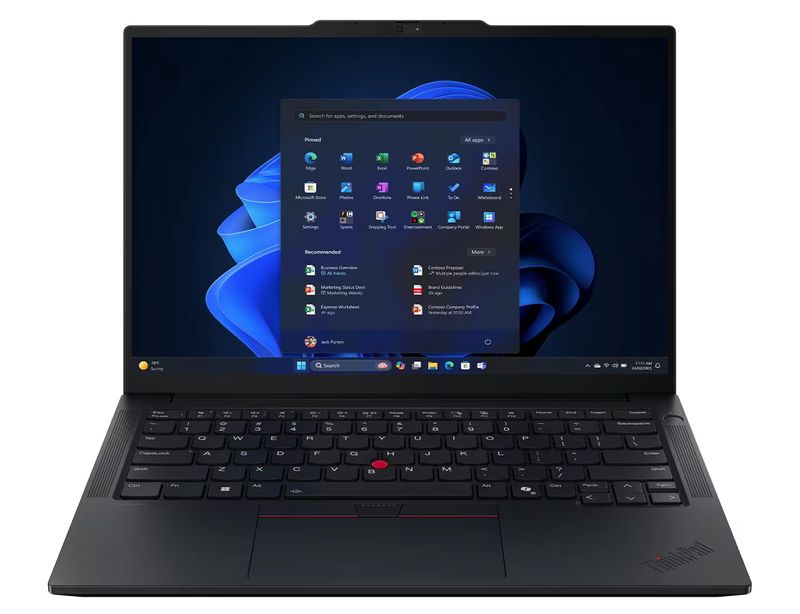
The Martel VOX Elite 32 GB and 64 GB laptop packages include assistance with stenomask setup and CAT file transfers as described in their product listings. Bring a small fictional job with a checked dollar amount, date and exhibit suffix if you want to demonstrate how you work. Identify which files belong to the rough, which contain the source material and which you normally reopen when listening back. When planning a Speechmatics workflow, bring the requirements that your CAT publisher specifies for your supported edition and installation. Martel VOX Elite 32 GB setup package · Martel VOX Elite 64 GB setup package.
One useful setup demonstration begins with opening the old job and finding the witness’s corrected exhibit identifier. Next, create a new fictional job and dictate “The revision is fifteen A.” Save it and reopen it before reviewing the text. These steps ask different questions of the new workstation. The old example concerns transfer and retrieval. The new example exercises present capture and recognition. Record the two outcomes separately. If one succeeds readily while the other needs attention, the distinction will help Martel or your software publisher focus on the appropriate part of the setup.
We handcraft our Dragon USB and Double Dragon 2 stenomasks in limited quantities. If a batch sells out, there may be a waiting list.
Give the mock print shop an order reference of zero one five and a different internal ticket numbered fifteen. Put both on paper as the fictional documents would show them. Ask a reader to say, “The order reference begins with a zero. The ticket number at the bottom is fifteen.” Unlike fifty posters or fifteen dollars, the three characters in the order reference identify an object. Removing the leading zero can change which record a colleague retrieves. A leading zero can be dispensable in a simple mathematical quantity and essential in an identifier.
For a second line, have the reader say, “The delivery slip has a dash between the item group and the sequence number.” Ask the reader to spell the reference as printed on your fictional slip. If that slip reads P-015, a reviewer should check the letter, separator and three digits. On the worksheet keep what was spoken beside the printed string. If the witness says only the last two digits, the index can help you locate the full reference, while the transcript still preserves the shorter statement. Practicing this distinction helps prevent an exhibit index from gradually rewriting the testimony it was designed to support.
For the third line, use a figure that mirrors part of the identifier. “The total was fifteen dollars. My order number ends in fifteen. The charge has no connection to the number we give the order.” Reopen the rough and ask a partner to underline each occurrence of fifteen using a different mark for price and identifier. Ask which occurrence can be restyled as a money amount. The answer hinges on what the speaker meant by each one. A global search for the digits alone cannot supply that distinction.
Finish by comparing two invented readback requests. The first asks, “What did the witness say the charge was?” It should produce the sentence about the fifteen dollars. The second asks, “How did the witness identify the order?” It should bring back the reference to its ending and any spelling spoken earlier. In both cases a search can land on precisely the same digits. Your selection of the surrounding exchange is the part that makes the answer useful to the person requesting it.
Read the question that called for the number, then the answer containing it. Identify who gave the answer, what was being counted and whether the number described an amount, quantity, date or label. In this exercise, 15 can be a price or an exhibit. Checking its role first tells you which piece of evidence you need to compare with the rough.
Yes. An answer spoken as “fifteen dollars” can convey the same amount as $15. The appropriate written form depends on the transcript style required for your practice or assignment. Score the amount and unit first. Apply the chosen style in a separate editing pass so a typography change cannot conceal an actual substitution of fifty for fifteen.
Have a partner prepare short amounts in mixed order and put each in a meaningful sentence about a unit price, a quantity or a fee. Repeat them into your personal mask at your normal level. Compare the source, your dictation and the saved rough. Randomizing the order prevents you from guessing automatically that the next number must be the opposite of the last.
Use the delivery that fits your reporting technique and the procedure you are following. In a practice drill, listen for whether you can actually hear the decimal word in your saved dictation. Try several unfamiliar measurements at comfortable pace, then at working pace. Preserve which reading you used. The purpose is intelligible meaning throughout the phrase, including its unit.
Listen to the question and preceding answer for the referenced item and unit. In the mock examination, a question about sleeve thickness supplies millimeters. If the surrounding exchange leaves the unit genuinely unclear, preserve the actual spoken response and follow your normal procedure for clarifying uncertainty. Adding an assumed unit can change the precision and meaning of the witness’s answer.
Write the exact spoken sequence before examining the rough. “Zero point five” includes a decimal word and one following digit. “Zero point zero five” adds a zero after the point, reducing the numerical value. If both are heard as “something five,” repeat the fictional sample with clear context and listen through the entire number. Preserve the difference that your evidence supports.
Whether the display should read 15, 15.0 or 15.00 depends on the expression, unit and instructions for the document. For ordinary money, several forms can represent the same amount. For a specification or a quoted printed identifier, the exact displayed precision or characters may matter. Ask what the speaker described and what the source actually shows before treating two renderings as interchangeable.
Preserve the phrase the witness used in the transcript as appropriate. If your separate worksheet converts that phrase to five cents per label, keep the conversion clearly identified as a review aid. Then confirm the item is a label, not an envelope. Two small charges on the same order can be easy to confuse when the unit of sale disappears from the note.
A credit and a charge can involve identical digits with opposite effects on an account. If the witness says “a fifteen-dollar credit,” preserve the financial direction as well as the amount. In a numerical practice summary, identify a credit using the style selected for that worksheet. In the transcript, verify what the witness actually said about whether money was owed or returned.
Check both ends of the range and their order in the sentence. The witness has supplied a range, not a single estimate of its midpoint. If the rough reads “fifteen to fifteen” or gives just fifty, the boundaries have changed. Also check whether the witness described the endpoints as included, approximate or uncertain when the surrounding words make that distinction.
A calculation is a reason to review the testimony and the document carefully. It can reveal that a number was transposed or that a printed fee was omitted from your worksheet. If the witness actually stated a different total, preserve what the witness said in the transcript and follow the applicable review procedure. Keep your arithmetic in a separate note where its source is clear.
Listen to the words immediately following the amount and the question that came before it. On the mock quote, fifteen dollars per poster is a unit price. Fifteen dollars paid at the door is one payment. Underline “each,” “per,” “whole order” or other language that identifies the basis. The same digits on both lines are correct only when attached to their correct roles.
Record the words actually spoken and consult the surrounding exchange and the referenced document where appropriate. In a training exercise, ask the reader to supply a follow-up line clarifying the meaning if that is the skill you intend to practice. Treat a bare pair of numbers as unresolved when the source leaves the order or notation ambiguous.
It can make a reference key easier to interpret. “April third” identifies the month without requiring the reader to know whether a form places the day or month first. A practice key can use that clarity while the transcript still reflects exactly how the witness expressed the date. When the witness expressly reads out slashes and digits, preserve that difference in your review notes.
Keep both statements in sequence, including the question that led to the later one. If a correction is explicit, identify it in your practice check. If the witness leaves two years unreconciled, let the transcript reflect that uncertainty under the applicable procedures. A consistent timeline on a separate worksheet can be a question to investigate, not permission to harmonize conflicting testimony.
A revised quote might repeat the date printed on the original while a signature bears a later date. Describe which part the witness identified, such as “quote heading” or “signature line.” If both simply say “date on the quote” in your notes, it can be hard to recover the distinction afterward. Record the object, field and event together whenever the testimony supplies them.
For the fictional index it is part of the identifier and distinguishes the revision from the original. Omitting it changes which exhibit the listener can retrieve. The way a suffix is spaced or capitalized should follow the identifier and applicable transcript conventions. Verify the presence and identity of the character before deciding how it should look on the page.
Listen across the boundary and consult the actual exhibit index. In “Exhibit fifteen. A copy is here,” the article begins a new sentence. In “Exhibit fifteen A is here,” the letter belongs to the exhibit number. The continuing words are usually more informative than an isolated syllable. Preserve any unresolved uncertainty in the practice notes and use your established clarification process as appropriate.
The description can expose a correct-looking identifier attached to the wrong document. Exhibit 15A is a revised quote in the mock packet. Exhibit 50A is a marked delivery slip. A line referring to pencil initials on the delivery slip should lead you back to the latter exchange. Check both label and description before accepting the identification or changing either one.
Stenograph documents playback from a location in a CATalyst job with associated audio. Identify the recording source, start early enough to hear the entire question, and listen through the witness’s qualifier or correction. A room feed can establish what the witness said. A mask feed can establish what you repeated. Name the source when documenting the result of your review.
Correct the worksheet and explain the source of the correction. Perhaps you copied the identifier from the packet cover instead of the witness’s line. A training key is helpful only when it reflects the evidence you intended to score. Keep a version note if classmates have already scored the exercise so everyone can distinguish a corrected reference from a changed transcript.
Use confirmed, supported configurations and note which one produced each saved rough. Provide the same fictional reference, similar delivery and the same scoring rules. Identify variations in what you actually dictated on each run. Compare counts of correct values, preserved units and correctly attributed exhibits alongside the unedited roughs. A small classroom demonstration is evidence about those particular readings and setups.
Yes, if your computer and supported workflow accept the selected USB microphone. Use the Martel Dragon USB path to deliver your dictation to the computer and verify it with a short saved sample. If your question requires a separate dictation recording on another compatible device as well, plan that additional destination expressly before choosing the mask and recorder arrangement.
A separate path for the reporter’s dictation can give you a recorder file to consult when reviewing pairs such as fifteen and fifty. Confirm the recorder has an appropriate input, set it to record, and listen back before beginning. That file describes what the reporter said into the mask. The voices of the fictional questioner and witness require their own appropriate source.
Yes. Check the line assignment as well as the digits. In the mock examination the questioner proposes fifty dollars as a payment, and the witness distinguishes that amount from the fifteen paid to the driver. Both quantities belong in the exchange. Assigning the questioner’s proposed figure to the witness could make the rough assert a payment the witness carefully distinguished.
A listener should be able to identify what the amount refers to, who supplied it and whether the statement was qualified or corrected. If your readback begins with “fifteen” and your partner still has to ask “fifteen what,” locate the question and start where the object is identified. During practice, save the exact span that made the answer understandable.
Yes. List each discrepancy with the exact source words, rough wording, issue type and final decision. “Fifty rendered as fifteen in original quantity” gives a specific practice target. “Missing A on revised quote” points to an identifier. Keeping meaningful categories makes a small set of mock data easier to act on than a single impressive-looking percentage.
Change both the story and the distinctions you want to hear. A community garden might order twelve and twenty plants, measure a bed at one and one-half meters, and label plans 12 and 12B. Give each number an object, include one genuine correction and preserve an answer key. A fresh context checks whether you learned to review relationships as well as familiar digits.
Provide the authorized practice rough, the reference marked with its version and the appropriate audio identified by source. If a value is unresolved, report the exact two possible readings and the nearest locating phrase. Explain which source you already checked. The next reviewer can then resume at the meaningful decision without guessing which handwritten annotation came from the witness and which came from the editor.
Pick one value from each group and trace it from the source to the mask, the rough and the reviewed copy wherever those sources are available. Identify its speaker, object, unit and qualifiers, and say why you chose its written form. For the corrected exhibit, demonstrate that both the first identification and the later correction survived in their original order. That is a result another reader can independently verify.
Review prices, decimals, dates and exhibit suffixes in a CATalyst VP rough using a mock print-shop hearing and a four-part verification worksheet.