


How to Prepare a Speechmatics Support Question With a Repeatable Sample
Prepare a repeatable Speechmatics support sample with a fictional sentence, CAT build, selected microphone, matching audio, and saved rough.
At the east landing of the fictional Tern Street footbridge, someone moved a blue direction board. Two witnesses visited at different times. Two photographs show the same face of the board from different positions. A third photograph shows the board after it was turned. The hearing asks a narrow question about sequence. Which way did the arrow point, who turned the board and had the second picture already been taken? To finish this exercise, you will need to record appearances, distinguish the witnesses, follow an interruption, resume after a recess and find the exact words that resolve a disputed readback.
Set aside the scoring key until you have finished your first rough. The goal is to hear the participants, dictate through your own mask and produce a job you can reopen. Use the supported Speechmatics arrangement for your installed CAT system. If your classroom is still planning a migration from Dragon, the same spoken exercise can establish a reference for your existing configuration. Label the engine actually used in each run. The text, recordings and timings you collect belong to that practice setup and should be interpreted alongside its conditions.
Everything about the Tern Street hearing is invented, including its participants, times, addresses and exhibits. The script uses a simple training format. It does not prescribe a court’s rules of procedure or a jurisdiction’s transcript style. Follow the applicable assignment or classroom requirements for actual proceedings. For this rehearsal, give each reader a copy of their lines and ask them to keep natural pacing, read the corrections as written and leave enough room for someone to hear the flow of the exchange. The directions to the readers are distinct from the words to be dictated.
The reference below represents the intended delivery. If a reader changes a word during a live class performance, keep a note of what was actually spoken. A reporter who accurately repeated the change should receive credit for hearing the delivered line. When a recorded version is used, verify the reference against that particular recording before calculating word differences. This small adjustment turns a drama exercise into a fair test of listening, recognition, speaker attribution and retrieval.
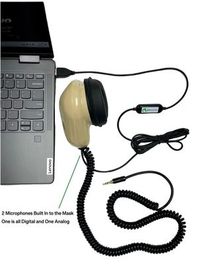
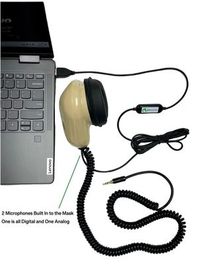
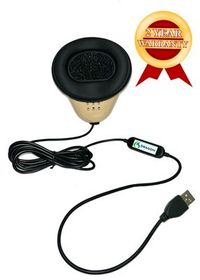
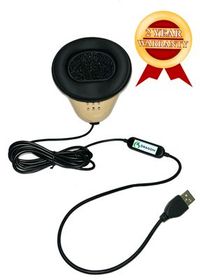
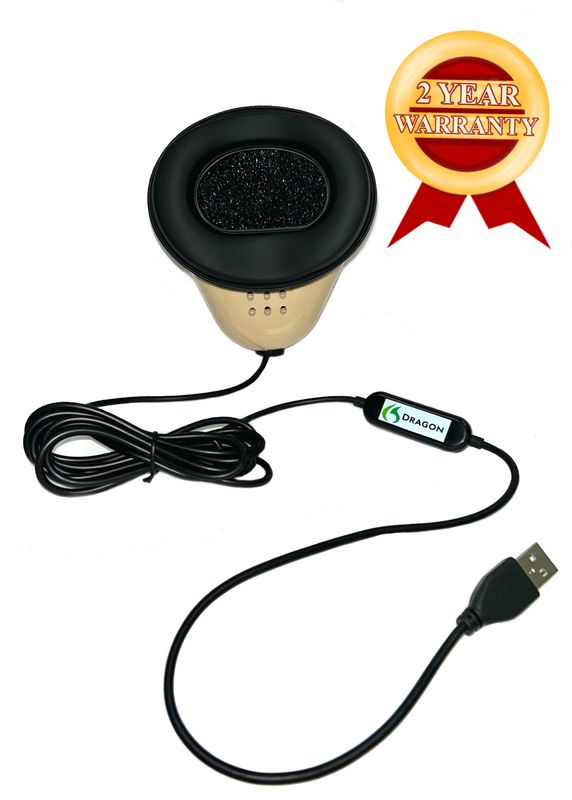
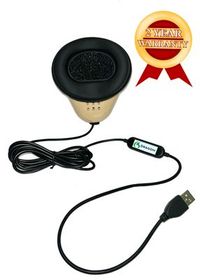
Martel’s Dragon USB Stenomask carries the reporter’s own dictation into the computer through its USB audio connection and built-in sound card. The Double Dragon 2 also offers a second microphone with a separate 3.5 mm path to a compatible recording device. If you use the second path, deliberately start and save a recording of your dictation there. For original voices, set up a separate authorized practice room source if your exercise includes one. Label the saved sources before scoring them. The difference matters at the one point where an attorney begins talking during a witness’s answer. Dragon USB Stenomask input details · Double Dragon 2 recorder connection.
Stenograph’s CATalyst VP product page describes speaker lists and synchronized audio, and its public Speechmatics announcement describes the on-device integration. Advantage Software describes configuring the audio input and Speechmatics connection in its EclipseVox introductory workshop. Use your publisher’s instructions for your installed edition and recognition arrangement. In the practice script, a direction such as “enter a new speaker” refers to the reporting action. Use the method supported in your setup. No invented command phrase or new product feature is required to run the hearing. Stenograph CATalyst VP features · Stenograph on-device Speechmatics announcement · EclipseVox and Speechmatics workshop.
Martel’s VOX Elite 32 GB and 64 GB packages include services described on their respective product pages, including help with stenomask setup and file transfers. A complete fictional hearing gives a buyer something specific to bring to the setup discussion. Ask to retrieve a saved job, hear the relevant audio on the intended equipment, then make a new short job with your personal mask. Identify any separate processing hardware required by your CAT publisher. For local Speechmatics, Advantage Software specifies its Boost Box or a qualifying computer purchased from Advantage Software. Martel VOX Elite 32 GB package · Martel VOX Elite 64 GB package · Advantage Software’s local hardware requirements.
Have one person act as the timekeeper and reader coordinator. The timekeeper can write down when the readback was requested and when the reporter located the first relevant line. They can also identify whether each planned source produced an intelligible, reopenable sample. Someone performing alone can record a fictional source reading first and then dictate from that recording later, without looking at the script. In either arrangement, use distinct names for the original practice voices and the reporter’s mask dictation. Avoid giving the scoring key to the person making the first rough.
Avery Bell presides over the exercise. Tess Arden appears for the bridge maintenance team. Milo Chen appears for the wayfinding group. The first witness, Rina Solis, checks temporary signs at the bridge. The second, Jon Maret, delivers paint supplies. The reporter may speak as themselves when asked for readback. If a class has fewer readers, the coordinator can double one of the attorney roles with a witness role, as long as the reporter can clearly identify each participant at the beginning of the relevant exchange. Make clear who is speaking before asking the reporter to infer a later change.
Exhibit Six A is a fictional photo from the east crosswalk, taken at eight forty-two in the morning. Exhibit Six B is a fictional close photo showing the chalk footmark beside the board, taken at eight forty-seven. These are two photographs of the board before Solis turned it. Exhibit Seven is Maret’s photo, taken later from beside the rail. A hand-drawn sketch can stand in for each exhibit. Write its identifier on the reverse for the readers. The reporter can then practice hearing an exhibit designation distinctly without relying on an illustration that supplies the answer in advance.
The word “left” depends on where the speaker stands. Solis first describes a view from the east crosswalk. Maret later describes a view standing beside the rail facing the water. The physical direction of the ramp remains stable while the witnesses’ viewpoints change. If your reference notes reduce every statement to a bare “left” or “right,” the transcript will become difficult to interpret. During the first pass, preserve each witness’s actual reference point. Later, a partner can request readback of the line that explains why two apparently different descriptions can both be accurate.
Give the participants one rehearsal direction about the interruption. When Solis says “the chalk mark” in the first examination, Chen begins a question about which mark. Solis finishes the sentence. Bell then asks for the question and answer to be repeated in order. The repeat supplies a clear later exchange and gives the reporter a place to recover the sequence. Do not add a second improvised interruption at that point. A single deliberate overlap makes the subsequent attribution score easier to interpret and gives every reporter the same manageable challenge.
Bell. We are beginning the Tern Street footbridge exercise. Please identify yourselves and the groups for whom you are appearing. Arden. Tess Arden for the bridge maintenance team. Chen. Milo Chen for the wayfinding group. Bell. Thank you. We have two people who can describe what they saw on the east landing. We will hear first from Rina Solis. I would like each person who refers to a picture to give its exhibit number so that everybody is looking at the same view.
Arden. Please state your name and describe the work you were doing at the bridge that morning. Solis. My name is Rina Solis, spelled S, O, L, I, S. My job that morning was to check the temporary direction board and the painted curb marks. I arrived from Tern Street and walked to the east crosswalk. I could see the top of the ramp from there. The bottom of the steps was hidden behind a delivery van. I had a phone, a short measuring tape and a piece of white chalk in my pocket.
Arden. Did you bring a direction board with you? Solis. No. It was on the landing when I came along the street. A blue arrow was fixed to one face. On the other face there was a white rectangle where a different arrow had once been attached. Arden. When you looked from the east crosswalk, could you see the blue arrow? Solis. Yes. I could see the blue arrow and most of the lettering underneath it. The lowest line of lettering was behind the edge of a wooden planter.
Arden. What did you do first? Solis. I stayed on the street side long enough to take a picture. Then I walked onto the landing and looked down to see where the two feet of the board sat. One foot was partly across an old chalk line. I put a new short mark by the other foot so I would be able to find its position again. I did not turn the board while I was making the mark. I put the chalk away and took another picture with the phone held down near my knee.
Arden. I am giving the first picture the designation Exhibit Six A. Does that designation match the paper in front of you? Solis. Yes. Six A shows the view from the crosswalk. The time on the copy is eight forty-two. Arden. I am giving the second picture the designation Exhibit Six B. What does that one show? Solis. Six B shows the lower part of the board and the new chalk mark beside its foot. The time on that copy is eight forty-seven. You cannot read the arrow from that close view.
Arden. Before the second picture, which way did the blue arrow point? Solis. Toward the ramp. A person coming from Tern Street could follow the arrow up the ramp. Arden. Did the arrow point to the person’s left or to the person’s right? Solis. From where I stood at the crosswalk, it pointed to my left. I want to include where I stood, because if I walked around to face the water, that same part of the bridge would be on my right.
Chen. May I ask which mark you are calling new? Bell. We will take that after Ms. Solis finishes answering the next question. Arden. Where did you place the chalk in relation to the foot nearest the planter? Solis. I drew the chalk mark just outside the foot nearest the planter. Chen. Which mark? Bell. One voice at a time. Ms. Arden, please ask the question once more. Arden. Where, in relation to the foot nearest the planter, did you put your new chalk mark? Solis. Just outside that foot. The long old line went under the other foot.
Arden. Where was the direction board when you took the second picture? Solis. Its feet were still in the positions I had found when I arrived. Arden. When did you turn it? Solis. I turned the board after I took the second picture. Arden. And after you turned it, where did the blue arrow point? Solis. Toward the steps. I moved the board by lifting one end and walking around the foot on the outside of the chalk mark. I did not carry it away from the landing.
Chen. When you said you could not read the arrow from the close view, did you mean it was missing? Solis. No. The arrow was higher than the part of the board that appears in Six B. I could see it standing there. The picture simply cuts off the top. Chen. Did anybody else tell you which photograph was first? Solis. I remember taking them in that order, and the times on my copies agree with my memory. The first has the planter in the foreground. The second has my chalk mark close to the camera.
Bell. We will pause here so that both groups can place Six A beside Six B. When we return, I want to hear what Mr. Maret saw from the rail. Please keep the pictures in their current order. Chen. For clarity, my copies have the letter following the number. Bell. Yes. The broad view is Six A. The close view with the chalk beside the foot is Six B. We will recess at this point in the rehearsal.
At this point the readers take a short rehearsal break. These directions are outside the spoken reference. The timekeeper records which practice source remained open, which was stopped and how each was resumed under the chosen setup. Start the next segment with the spoken return below. If your arrangement makes a new recording file after restart, identify the first heard phrase of that file. This lets you test resumption without assuming that every application or device divides a hearing into the same set of files.
Bell. We are back on the Tern Street footbridge matter. The pictures marked Six A and Six B are on the table. Mr. Maret, please give your full name. Maret. Jon Maret. Jon is J, O, N. Maret is M, A, R, E, T. Chen. Why did you go to the east landing? Maret. I was delivering two tins of railing paint. The painter had asked me to put them beside the storage bench. I arrived by the path next to the water and carried the tins up the steps.
Chen. Did you take the picture now designated Exhibit Seven? Maret. Yes. I had put the tins beside the bench and was standing by the rail. I took the picture because I wanted to show the painter where I had left the tins. The direction board happens to be on the right side of that picture. I can see the blue arrow in the image. Its point is aimed down the steps toward the place where I came up. I was looking toward the water when I took it.
Chen. What time did you take Exhibit Seven? Maret. The image information I looked at when I made the print said nine oh three. I had first written nine thirty in my delivery notebook. When I checked the image, I crossed through that entry and wrote nine oh three on the next line. Chen. Which time are you giving us for the photograph? Maret. Nine oh three. The notebook still has the earlier entry with a line through it. You can see both entries on my practice copy.
Arden. Were you there when the board was turned? Maret. I did not see anybody turn it. I saw the board while I was walking up the steps and when I stood beside the rail. Arden. From that observation can you tell us which way it pointed before eight forty-seven? Maret. No. I can tell you which way it pointed when I arrived with the paint. Arden. And from beside the rail, what was on your left? Maret. The steps I had just climbed. The ramp would have been on my right as I faced the water.
Bell. I have one question about the earlier witness’s timing. Mr. Chen, what words do you want located? Chen. I would like a readback of Ms. Solis’s answer about when she turned the board. I heard “before I took the second picture” and would like to check it. Arden. I heard “after.” Bell. Please read the question asking when she turned it and her answer, and stop there. We can take any new question after we hear the exact words.
The reporter now locates and reads the requested exchange. The timekeeper notes the time it takes to reach the relevant question. The reference exchange is Arden asking, “When did you turn it?” and Solis answering, “I turned the board after I took the second picture.” Those two lines form the requested range. The script direction and this explanatory paragraph are outside the fictional spoken proceedings. The reporter’s readback repeats the original exchange in the rehearsal. It should remain clear to the listeners that it is a readback of earlier words.
Bell. Thank you. Ms. Solis, without changing the answer that was read, which exhibit was the second picture? Solis. Exhibit Six B, the close picture of the foot and the chalk. Bell. Mr. Maret, did your Exhibit Seven show that same close view? Maret. No. Mine is the later picture from beside the rail. You can see the tins and the upper part of the direction board. Bell. That finishes the questions for this practice hearing. Please retain your working notes until the class has checked the readback and the two exhibit letters.
Speechmatics explains word error rate using insertions, deletions and substitutions measured against a reference word count. Its benchmarking guidance also discusses normalizing text for a comparison. For this class, agree on how you will treat capitalization, punctuation, spoken numerals and equivalent display forms before scoring. Then account separately for an exhibit change or a missing qualifier that alters meaning. A single wrong letter in an exhibit designation can matter to readback even when the overall number of correctly recognized words is high. Speechmatics’ guide to scoring speech recognition.
Use this twenty-word reference as a separate scoring demonstration. “At the east landing I photographed the blue arrow twice before turning the board toward the steps beside the rail.” A fictional hypothesis reads, “At the west landing I photographed the arrow twice before turning the board toward the small steps beside the rail.” West takes the place of east, blue is missing and small has been added. With the stated treatment of words, that makes three word edits across twenty reference words, or a word error rate of fifteen percent for this invented sample. It measures no manufacturer or real reporting setup.
For speaker attribution, make a separate reference containing clearly delivered turns. Include Chen’s interruption, Bell’s request to speak in order and the first voice after the recess. If the exercise director can verify twelve scored starts and the reporter places ten with the correct speaker, report ten of twelve, about eighty-three percent. Retain the two specific misses. A reporter who attributed the readback request to Arden and the resumed question to Solis needs a different next practice passage from a reporter who missed words but labeled all twelve turns correctly.
For audio, score each intended source against a concrete task. Can you open the room source and hear Maret spell Jon? Can you hear what the reporter dictated when Chen asked about the chalk? Can you locate the first words after the recess on the appropriate saved file? Mark each task completed, unavailable, or in need of another check. Put the source name beside the outcome. A playable file of mask dictation can be an excellent result for the mask path even when the separate exercise room recording still needs attention.
For retrieval, have the timekeeper start when Bell finishes the request and stop when the reporter locates Arden’s question. Time the spoken readback separately if you also care about delivery. A participant who finds the right sentence quickly but includes two later questions did a good job on location and has a range-selection issue to practice. A participant who reads the correct two lines after a longer search has a different target. Keep the actual durations you observe with the job and avoid comparing two times taken using different endpoints.
We handcraft our Dragon USB and Double Dragon 2 stenomasks in limited quantities. If a batch sells out, there may be a waiting list.
Start the debrief with four facts your rough should let a new reader establish. Solis took Six A from the crosswalk at eight forty-two. She took Six B from near the board’s foot at eight forty-seven. She turned the board after that second picture. Maret later took Seven near the rail and gave nine oh three as its time. Have the reader indicate the question and answer establishing each fact. Finding all four words or times somewhere in the job is only the first step. Their association with a witness, viewpoint and exhibit is the part a reader needs.
Then ask for the two statements that explain the apparent disagreement about left and right. Solis speaks about standing at the crosswalk and seeing the ramp to her left. Maret describes facing the water from beside the rail, with the ramp to his right. Both statements can be accurately reported as delivered. A copy editor who replaced both statements with the same direction would remove the point of the testimony. Mark this as a meaning check. It is possible for an automatic word count to favor a consistently repeated wrong direction while a careful reader notices the incompatible viewpoints.
Check the difference between what a photograph shows and what a witness saw in person. Six B cuts off the arrow because it is a close view of the foot. Solis says the arrow was still present on the actual board. A rough saying the arrow was missing would give the photograph more evidentiary reach than the witness described. The same distinction applies to Maret’s paint tins. He took Seven to record their location, and it also shows part of the direction board. The original purpose of a picture and the objects visible in it can each matter to the wording of an answer.
Ask a colleague to produce a short correction note for the notebook time. The incoming rough might read “nine thirty” in both sentences. A useful note identifies the initial entry of nine thirty, the line through it, the later entry of nine oh three and the specific time Maret adopts for the photo. If someone marks only the final time as a correction, the earlier mistaken notebook entry can disappear from the story. Preserve both statements in the correct order and identify whether any part of the timing came from the photo information, personal observation or the delivery notebook.
Now introduce a second readback request without telling the reporter where it occurs. “Please locate the witness’s answer explaining why the arrow was missing from Six B.” A careful reporter will find Chen’s question and Solis’s clarification that the photograph cropped the top although the arrow was present in person. The request itself contained an inaccurate premise. Read the actual answer your instructions call for and retain the original wording. This exercise rewards accurate retrieval even when the person asking uses a slightly different description from the witness.
Give the class a third request about a negative statement. “Find the part in which Mr. Maret says he saw the board turned.” The record instead contains his answer that he did not see anyone turn it. During practice, locate the relevant exchange and explain which part addresses the subject of the request. Do not construct the affirmative statement requested if it does not occur. Let the instructor define the appropriate response or clarification under the training procedure. The skill being tested is recognizing the difference between a request’s description and the actual words available for readback.
Finally give the coordinator a short summary in four separate sentences. One reports the word-score sample and how it was counted. A second identifies any speaker designation that needed repair. A third names each file that met its playback task. A fourth gives the time to locate the principal readback and confirms which lines were delivered. Add one action for the next session, such as hearing an exhibit letter through a short interruption or identifying the first witness after a recess. A repeatable correction makes a much better use of the exercise than a general remark that the job went well.
For a last check, have the coordinator lay the three invented pictures face down and read three slips in random order. One slip says “the photographer stood at the east crosswalk,” one says “the picture shows the chalk beside the foot,” and one says “the photographer set down tins of paint first.” The reporter should identify the witness, the exhibit and a place to find the supporting statement for each. Unlike a question about exhibit names alone, this tests whether the case details remained connected to their source throughout the saved job.
Then exchange roles. Give the original reporter the task of writing one readback request that could be answered from two different parts of the transcript and one that can be answered only from a particular pair of lines. Ask a partner to explain the difference. A broad request for “the time on the picture” could point to any of the exhibits. A request for Maret’s explanation of his crossed-out notebook entry identifies one specific exchange. Learning to spot the difference prepares a reporter to recognize when a request itself needs clarification under the applicable reporting procedure.
Yes, if you make the role changes deliberate and identify them in the rehearsal materials. One person can read a prepared source recording of several parts and another can dictate from it. For a live overlap between Chen and Solis, arrange two independent voices for those particular lines. A solo reader performing both roles at different times can teach turn boundaries, while the simultaneously speaking exercise tests a different listening task. Label which arrangement you used before comparing results with another class.
Provide the names of the parties or groups appearing, the roles, the exhibit naming convention and the intended practice scope. You can withhold the answer about the direction board so the reporter has to hear it. If the class uses exhibit labels as ordinary working references, make those available in the same way for all participants. Decide in advance whether the goal is accurate spelling from an authorized list or recovering the spelling as spoken during the hearing.
Solis spells her surname, while Maret gives both his first and last names as separate groups of letters. The reporter can practice capturing the introduction, the name and the spelled form without confusing who supplied each. In the rough, look for Jon with the spelling the witness actually gave. A common alternative spelling may look completely plausible. The speaking witness’s spelled answer provides a direct reference a reviewer can find and play during the debrief.
Note the intended recording sources, the role of the person who starts each one and the first spoken line that identifies the session. The timekeeper can observe whether each source is actually running and later test whether the correct file reopens. Keep any rehearsal direction outside the speech reference. A quiet administrative note about the recording should never be counted as a witness statement or as a missing word in the reporter’s rough.
Use a suitable independent recording of the practice participants when that is part of the arranged exercise, checked against what the readers actually delivered. A recording of the reporter’s masked repetition serves as a different source. It can show what the reporter spoke into the recognition path. If the original source is unavailable, state that and restrict the scoring to what the surviving material supports. The printed script can still provide a practice target with that qualification.
Mark the delivered change at the time or verify the fictional source recording afterward. If Maret says “paint cans” where the script says “paint tins,” a reporter who faithfully captures “cans” has followed the actual delivery. Preserve the intended script for planning and a checked reference for scoring the recorded run. If a substantial change alters the plot or exhibit numbering, identify it before using the answer key so the scoring does not reward the wrong chronology.
Use the mask for your own voice and arrange a separate suitable source for the fictional participants or work from a recorded fictional performance. Label each source distinctly. A separate room source can tell you whether Chen’s question starts while Solis is still speaking. The Dragon USB source can tell you whether you repeated the question or signaled a speaker change. Both are useful observations even if they lead to different practice goals.
Record the same personal dictation through its computer path and its second microphone path to a compatible device, if that is how you intend to work. Reopen both and locate the phrase about the chalk mark. Identify which file each device saved and where the shared spoken phrase occurs. Both are recordings of the reporter. Use a separately arranged participant recording for an independent view of what the original witness or attorney said during the overlap.
Build the job around the speaker designations and procedures supported in your configured CAT workflow, then verify each resulting label against the practice reference. Remember that a mask input primarily carries one voice writer repeating multiple people. During the debrief, ask what establishes the owner of the phrase “Which mark?” This directs attention to the actual originating turn and the recorded label. A neatly formatted paragraph alone cannot answer that question.
Arrange for Chen to begin the short question as Solis reaches the chalk description, while Solis continues her line as written. Bell then asks for the question to be repeated, and Solis answers the new question. Record the location of the first interruption and the later clear repeat. The two are intentionally separate events. A reporter can preserve both without moving the clearer later answer backward into the earlier portion of the exchange.
Look for three independent identifying details in the reference. Six A is the broad crosswalk view and carries eight forty-two. Six B shows the foot and new chalk mark and carries eight forty-seven. Solis identifies the second as the closer image. Test whether someone who never saw the exercise can use the rough to distinguish the views. Getting both times right but attaching them to the wrong letters still leaves an important error.
They create two plausible references to “the mark.” Solis places the new short mark outside the foot nearest the planter and says the longer old line runs under the other foot. Chen’s question makes sense because the distinction matters. In review, listen for “new” and “old” as well as “outside” and “under.” Those ordinary words determine which physical feature a reader should imagine when following the witness’s later description of turning the board.
Preserve the qualifying viewpoint in the practice transcript. Solis describes the crosswalk position and Maret later describes the rail while facing the water. You can add the physical relationships to an instructor’s worksheet, but do not silently replace a witness’s actual relative direction with a direction inferred from the sketch. During readback, include enough of the question to establish where the person was standing if that context is necessary to understand the answer.
Follow the normal, supported operation you intend to test and make a note of what actually happens. If you stop the separate recording, identify the last spoken phrase before stopping and the first after starting a new file. If you keep recording through the rehearsal break, note that too. Then play the return from the saved material. Merely observing that a recording device remained connected cannot confirm that Maret’s introduction was captured.
The return provides a clear opening marker after the recess and reinstates the exhibits before a second witness speaks. In the rough, find Bell’s return, the two designations and Maret’s introduction in that order. If one source starts at a different clock time, Bell’s opening sentence provides an event you can recognize across materials. It is a more dependable comparison than assuming two devices reset or continued their counters at the same instant.
Set the reference to the spoken return that actually occurred and identify precisely which words are under review. Check the independent practice recording, your mask rendition and the saved rough as appropriate. If the room source starts too late to contain the sentence, record that playback limitation. If your mask contains Bell’s full opening but the rough drops a word, classify that separately. A single notation “break failed” conceals where a useful follow-up should begin.
He identifies his original notebook entry as nine thirty, explains that he crossed through it, and adopts nine oh three for Exhibit Seven based on the image information he checked. Both times belong in the exercise. The earlier one is part of his explanation of the notebook. When someone asks what time the photo was taken, return to the full sequence so a correction does not accidentally erase the existence of the earlier entry.
The fictional witness says he cannot establish it from his own observations. He describes the board when he comes up the steps with the paint and when he stands beside the rail. Solis supplies the earlier observation. A response that attributes Solis’s knowledge to Maret gives the wrong person a fact even though the content may fit the overall story. This makes a valuable scoring item for speaker and source attribution.
Bell asks for the question about when Solis turned the board and her answer, with the readback ending there. Locate Arden’s short question and the statement that Solis turned it after the second picture. Stop before the next question about where the arrow pointed. The readback tests the selected range as well as the small timing word. A correct answer with several additional turns would be a different response to the request.
Read the words located in the earlier exchange. Chen’s statement about what he thought he heard is part of the later discussion, while the original witness answer contains “after.” Locate both if necessary to distinguish the recalled version from the actual answer. The exercise gives you a safe opportunity to hear a strongly suggested alternative and return to the record before accepting it. Preserve the later disagreement where it actually occurs.
Record that the wording was identified, then note the retrieval difference. For example, locating Bell’s post-readback clarification about Six B is useful, but it is not the earlier question and answer requested. A nearby answer with the same exhibit reference can mislead someone searching by a single phrase. Include the requesting speaker and nature of the earlier question in your search notes, then practice locating the exact exchange again with another prompt.
Define the scoring rules before starting. For a simple word comparison, decide how punctuation, capitalization, numerals and variants will be normalized. Then record separately any formatting issue you wish to study. Speechmatics’ benchmarking discussion explains why reference and recognized text need comparable treatment. Consistent handling lets two students interpret the same result, while a separate notation can preserve an important punctuation or speaker-boundary issue that the word score does not measure.
The fifteen percent figure in this exercise comes entirely from an invented twenty-word reference and three deliberate differences in the written example. It illustrates the arithmetic. Calculate any result for your own setup from its actual delivered reference and saved output. Keep the sample size and type of material beside the figure. This allows you to compare future practice sessions without presenting a classroom demonstration as a product performance specification.
Time the search and the reading separately, then verify that the words, speaker and requested range were correct. A reporter who locates suitable text quickly but skips “after” has a wording issue worth more attention than a few seconds on the stopwatch. Use another fresh prompt once the first is familiar. Timing a memorized answer repeatedly can tell you something about recall while revealing little about finding an unanticipated passage in a saved job.
Open the saved practice job and each reference recording you intended to make. Locate something distinctive from the first segment and something from the second. Test one named passage from the reporter’s mask source and one from the independent room or fictional source recording. If your arrangement produced two recorder files around the recess, check both. The result is a specific inventory of usable material, useful for an instructor or a later review partner.
Yes. Recorders and jobs can begin at different points in the exercise, and one may start a new segment after the break. Compare a distinctive spoken phrase present in both rather than relying on the displayed times to match. State the file and time together whenever you give a location. A second observer can then reproduce your finding even if their player shows elapsed time for an individual segment instead of the whole rehearsal.
Bring a fictional sample and describe the exact tasks you want the prepared computer to support. That might include hearing the mask input, opening the CAT practice job with associated material, finding an earlier readback and locating the independent recorder file if you use one. Martel’s VOX pages describe the packages and assistance. Pair the laptop choice with the processing arrangement your own CAT publisher confirms for your software version.
Choose a difference you can trace to a particular stage. An omitted “after” that is clear on your mask recording calls for a different test than a question you never repeated. A missing speaker label may call for a turn-change drill, while a long search for a complete sentence may call for better location notes. Keep the other findings available. A targeted improvement on the next unfamiliar passage gives the rehearsal a concrete outcome.
Identify the exact requested line, the available sources and what remains uncertain. They may hear the words “Which mark?” but lack enough independent evidence in the supplied material to identify the speaker. They can return that limited finding and the surrounding question to the reporter. If a complete classroom answer sheet later names Chen, distinguish that supplied answer from what the reviewer could independently establish at the time. This makes the assessment fair to both people.
Change the underlying facts as well as the names. Have a new witness move a different object between two observations, add an independently identified exhibit and ask for a different narrow readback. Create the new reference before the scored session and make sure all readers agree on the chronology. Carry forward the four separate measures for words, speakers, playable audio and retrieval. That keeps the skill being practiced consistent while giving the reporter a genuinely new record to follow.
Run a complete fictional footbridge hearing with Martel stenomasks, two witnesses, exhibits, a recess, a disputed readback, and four separate scores.