


A Mock Court Hearing From Roll Call to Readback With Speechmatics
Run a complete fictional footbridge hearing with Martel stenomasks, two witnesses, exhibits, a recess, a disputed readback, and four separate scores.
Build a scopist handoff for a Speechmatics rough with named audio sources, a speaker key, three timestamped queries, and a worked example of the return.
A useful handoff begins with a sentence about the work you are requesting. “Please scope the morning greenhouse practice job, check the three queries below against the materials identified, and return one edited working copy with open items listed.” That tells the scopist which job to open, how much of it to edit and what should come back. “Here is my Speechmatics file” leaves nearly every important question unanswered. The speech engine is one component of the reporting setup. A saved CAT job, a playable recording and the reporter’s instructions are the things a scopist can actually use.
Imagine a scopist opening a folder at the end of the day. Two files have the same case nickname, one audio file uses the recorder’s default name, and a note says “please check seventeen.” That number could mean a page, an exhibit, a minute marker or an item on a parts list. The reporter who made the files knows which one it means. A person seeing them for the first time needs a specific reference. One extra line identifying the rough, one spoken phrase near the passage and one clearly named recording can turn a search into a short editorial task.
This guide follows a fictional matter about shade panels in a teaching greenhouse. Every name, job label, time and document description in the example was made for practice. You can build a rehearsal handoff from it with a classmate or a colleague. For an actual job, agree on the permitted recipients, files, transfer arrangements, transcript style and scope of work for that assignment. An instruction to scope one part of a proceeding does not by itself identify every recording the recipient may receive. Build the package around the approved work and the information required to perform it.
Give yourself a simple acceptance test. A second person should be able to identify the intended working copy, open it with the tools available to them, locate one passage in the reference audio and tell you how they will return an unresolved item. Try this with a practice job before a deadline makes every missing detail urgent. It will reveal whether your naming choices, transfer arrangements and request make sense to someone with a different desk, different recent files and no memory of the conversation you had while packing up.
Choose one copy as the starting point. In the greenhouse example call it “North Aisle Morning, reporter rough R01.” Preserve the first saved rough in the reporter’s working materials. Give the scopist a distinct working copy and identify it in the handoff note. If your CAT workflow uses a native job with associated files, follow your publisher’s supported transfer procedure and confirm the recipient can use the package. If the request is a read-only review of a passage in an exported document, say so. The format should match the work you are actually asking the recipient to perform.
Stenograph’s CATalyst VP page describes transcript production features and lists several export formats. Its CATalyst playback guide explains starting associated audio from a cursor position in the job. A readable text export and a job that opens with linked audio offer different review capabilities. Before you promise a particular handoff, test the intended format using fictional material on the recipient’s side. Ask them to find the word “louver,” choose the corresponding part of the job and describe what they can play. That test reveals what the delivered package supports on the equipment at hand. Stenograph’s CATalyst VP production features · Stenograph’s instructions for playing CATalyst audio.
Be specific about the boundaries of the edit. In our example the request covers appearances through the morning break. The scopist may correct ordinary word errors against the authorized source, apply the agreed practice style and flag uncertainty about speaker identity. The reporter wants questions about exhibit letters returned for a decision when the reference does not settle them. Those boundaries are a training agreement for this exercise. In a real working relationship, agree on comparable decisions with your scopist, including which edits can proceed and which should come back for the reporter’s review.
Write a return instruction with a usable deadline if you have one. “Return the working copy with the revision label R02 and a list of remaining questions” tells the recipient what to create. If a clock time matters, include the date and time zone agreed for the assignment. A quick response on an access problem may be more valuable than a partly completed edit at the end of the day. Specify how the scopist should raise a missing file or unreadable section without starting a second chain of edited copies.
The phrase “reporter audio” is particularly easy to misunderstand. It might describe sound captured on the reporter’s equipment or a recording of the reporter repeating testimony into a mask. Those are different descriptions. A scopist looking for an original witness’s spelling needs to know whether they are listening to that witness or to the reporter relaying the witness. Describe both the source and the destination. “Room microphone, teaching greenhouse hearing, morning segment” and “voice writer’s own dictation from mask, morning segment” give the reviewer an accurate starting point even if both files contain the same exchange.
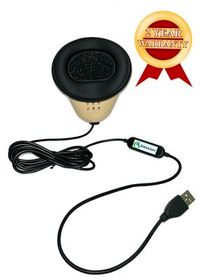
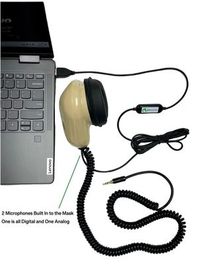
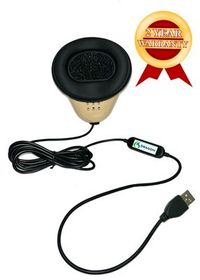
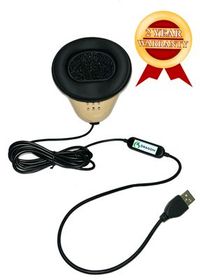
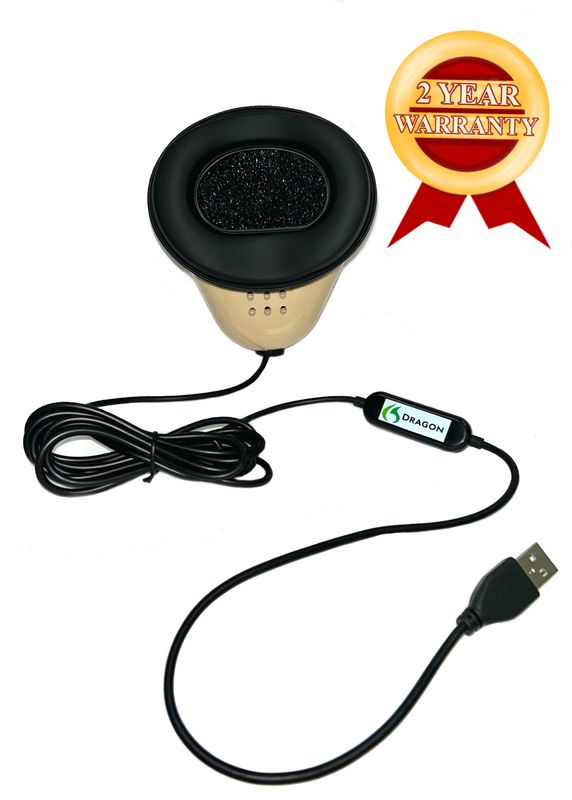
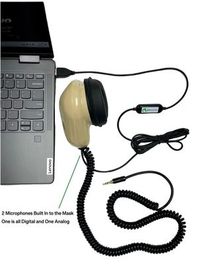
Martel’s Dragon USB Stenomask supplies the reporter’s voice through a wired USB connection with a built-in sound card. The Double Dragon 2 adds a second microphone with a separate 3.5 mm connection for a compatible recording device. A file made through that second mask connection can help the scopist hear how the reporter repeated a location, part number or short answer. The original people in the room need their own suitable capture arrangement if that source is part of the approved work. Identify a separate mask recording for what it contains before handing it to someone who did not attend the session. Dragon USB input details · Double Dragon 2 independent mask connections.
You need not send every available recording to make a useful handoff. Suppose the request covers a single paragraph where the reporter dictated “east,” and the room witness may have said “each.” If the assignment authorizes the appropriate room source, identify the passage and the available audio. Where the recipient is allowed to have only a job with associated mask audio, identify that limitation and ask them to return any question that calls for an independent original voice. The reporter can then make the comparison using the permitted materials and respond with a decision.
In the rehearsal, test two different audio questions. First ask the scopist to find the moment when the witness calls the north aisle “the cool side.” That requires a source carrying the witness’s speech or a clearly identified reporter rendition. Next ask what the reporter actually dictated after the phrase about the gear on the shade mechanism. That calls for mask audio. A good package lets the scopist name the source used in each answer. If they open the same two files for both questions and cannot explain which voice they heard, change the file descriptions.
Use the job identifier “North Aisle Training” at the front of the inventory. The opening note can say that the exercise concerns inspection of a greenhouse shade mechanism, runs from appearances to the break, and has one witness. The presiding person is Ellis Wynne. Laleh Orr questions the witness for the operations team. Owen Piet asks follow-up questions for the maintenance team. The witness is Alma Venn, the greenhouse caretaker. These invented names form the speaker key for this exercise. A one-line role beside each name is more useful than a list of initials whose meaning the reader must guess.
The inventory should identify the rough, the covered material and the state of the reference audio. For the example, give the recipient a practice copy covering the morning only and label its linked material “reporter mask dictation.” Supply a separately authorized fictional room recording identified as “North Aisle Training, room, morning.” Finally include a short query sheet and an approved typed practice label reading “Vent drive, north wall, unit L17.” The label gives the scopist a way to distinguish the letter L from the number one in a piece of fictional equipment. State what the label can establish and which exhibit it belongs to.
Make the inventory robust to different display settings. If the filenames include extensions or numbered segments, preserve their exact names in the actual handoff. In the practice note, write out the meaningful portions, explain that the room recording begins before the rough and identify the words at the start of each relevant segment. Someone who sees only a truncated filename can then confirm they opened the right recording by listening to the opening words. A file described as “morning” may still turn out to be the microphone test made before anyone arrived.
Have the scopist reply to the rehearsal inventory before editing the entire job. A useful acknowledgment says that the morning working copy opened, the source identified as mask dictation plays, the room recording contains the witness’s introduction and the three query anchors are present. If one item cannot be located, ask for its name and the step at which it became unavailable. Receiving a transfer notification proves delivery of something. Opening and playing a named practice passage establishes that the recipient has material they can actually use.
For this exercise, all three times refer to elapsed time from the beginning of the fictional morning room recording. They are sample locators for a rehearsal, and an actual recording made in class will have its own times. In addition to a time, give every item a nearby phrase and a speaker. Then a person using a different player, a text search, or a separately started mask recording can still identify the right passage. Put the selected question on one line and the type of answer you need on the next.
Practice query one concerns a letter and digits at 00:04:36. The rough reads “unit one seventeen.” The witness says the identifying letters and numbers in a passage beginning “Look at the narrow metal plate.” The typed practice label reads “unit L17.” Ask the scopist to compare the spelling, the assigned exhibit and the recorded witness’s own words. The reply should say what the witness actually said and which source supports the proposed rendering. The label helps establish the written equipment identifier. It does not decide whether a witness happened to use an informal spoken description earlier in the session.
Practice query two concerns a spoken correction at 00:12:18. The rough reads “two open panes,” followed later by “three tilted panels.” On the room source the witness begins describing two panes, pauses, and says they were three panels. The line before the correction contains the words “when I walked the north aisle.” Ask the scopist to preserve the initial statement and the correction in the order spoken while checking the actual wording. The useful answer describes the sequence. Rewriting the earlier sentence so the witness gives the final count immediately would remove the correction from its historical place.
Practice query three concerns speaker identity at 00:19:42. A short question “From the path?” appears under Orr. In this fictional exercise a sheet of paper brushes the room microphone during those three words, and both attorneys speak in the surrounding passage. The mask file contains the short question without a clear speaker cue. Ask the scopist to identify the audible words, state whether the authorized materials establish the speaker and return any uncertainty to the reporter. The teacher’s answer key may identify Piet as the speaker in the staging; the review copy can still leave attribution unresolved.
A clear query separates the clue from the proposed answer. If you suspect the unit is L17, give the reason for the suspicion and ask the scopist to check it. If you believe the three-word question came from Piet because you watched him lean forward, identify that as an observation from the room. The scopist can then report whether the audio independently supports it. A query that already states the expected correction as settled fact encourages an editor to stop listening as soon as the proposed reading sounds plausible.
The following paragraphs form an original example of the instructions that can travel with the fictional job. Substitute your assignment’s actual names, permissions, filenames, version labels and approved delivery method when preparing your own material. Keeping the request small makes it easier for a recipient to identify any missing item before beginning. The aim is to give them enough context to make good editorial decisions in the covered portion, while preserving the reporter’s role in resolving questions beyond the agreed scope.
“Please scope the North Aisle Training morning working copy R01 through the first break. The case nickname refers to the north aisle of a teaching greenhouse. The witness is Alma Venn. Laleh Orr and Owen Piet are the two questioners. Ellis Wynne presides. Use the speaker list with the working copy. For this rehearsal, the attached sheet headed North Wall lists the spelling of the one equipment identifier. Use it as a spelling reference when the witness is describing the label.”
“The job’s associated practice audio is my mask dictation. The separate room file contains the original participants. Its elapsed time starts before my working job. For directions, use the phrase ‘when I walked the north aisle’ to line up the two sources. The times on my query sheet refer to the separate room file. The three matters for review concern an identifier, a corrected count and a short question that may belong to either attorney. I have included a phrase for each so you can find it without relying on a page number.”
“Please return one edited copy labeled R02. Mark the queries you could settle, state which reference supported the edit, and list anything you would like me to decide. In particular, flag an uncertain speaker even when the individual words are clear. If one of the two audio sources will not play, tell me which one you could open, exactly what you tried to locate and the filename displayed. We can resolve the access question before you spend additional time searching.”
Now read that note as the recipient. Could you tell which copy is meant for editing? Could you state which people the mask file contains? Do you know what the reporter wants back? Ask a colleague to underline any sentence that depends on knowledge only the original writer would have. In our example the roles, reference type and return label address those gaps. Your actual routine may call for a different style of note, but the reader should still be able to answer those questions without inferring the work from the names of the attachments.
A sample resolved entry could read, “Identifier, morning room at 00:04:36, metal plate exchange. Venn spells L followed by seventeen. The North Wall practice label reads L17. I used L17 in the label reference in R02. Venn’s separate earlier description of a drive on the north wall is unchanged.” This reply separates what the speaker said, what the approved label shows and where the editor acted. The reporter can find the entry and judge it without rechecking every occurrence of the word “unit” throughout the morning job.
An example of a second resolved entry could say, “Panel count, morning room at 00:12:18. I hear Venn start with two panes and then correct the count and term to three panels. The working copy preserves that order and includes the question that introduced the walk down the north aisle.” The decision here concerns faithful sequence. If the reporter wants to examine precisely how the false start appears in the finished transcript, the return gives them a clear location and tells them what the editor heard.
A useful open entry might read, “Question ‘From the path?’, morning room at 00:19:42. I hear the words, but the paper sound covers the voice onset. The mask recording includes the question without an identifying name. The incoming R01 placed it under Orr. I flagged the speaker for your review and made no final attribution.” This response completes the assignment as scoped. It gives the reporter the two observations that matter and preserves the difference between hearing the wording and establishing who said it.
We handcraft our Dragon USB and Double Dragon 2 stenomasks in limited quantities. If a batch sells out, there may be a waiting list.
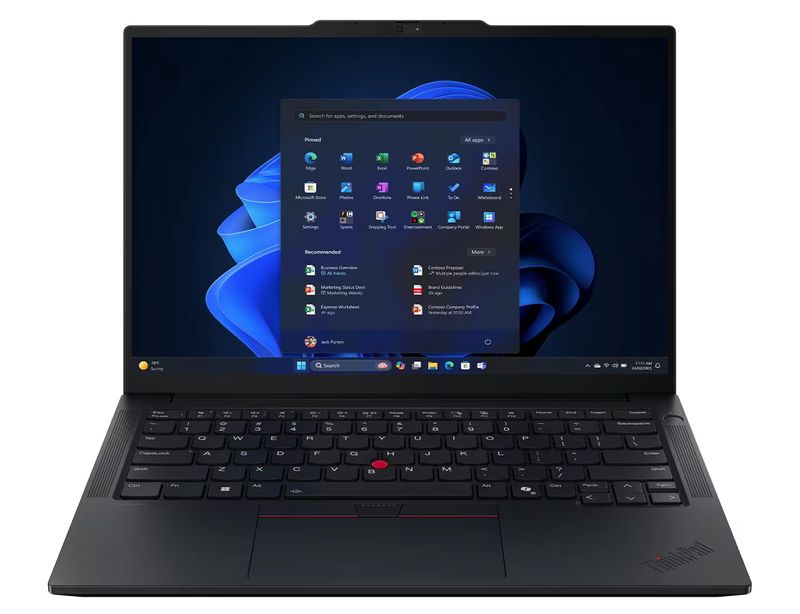
Martel’s VOX Elite laptop packages list stenomask setup assistance and help with transferring CAT files. If a handoff is part of your routine, bring a fictional practice job and its associated recordings to the setup conversation. Ask to open the original practice materials on the prepared computer, create a distinct working copy, and find one returned comment in an edited copy. Choose between the Martel VOX Elite 32 GB and 64 GB packages in view of your actual workflow and the publisher’s requirements for the recognition option you use. Test the operations you expect to perform after the purchase. VOX Elite 32 GB configuration · VOX Elite 64 GB configuration.
Try the comparison one step at a time. Open R01 and find the metal plate question. Close it without changing the preserved first rough. Open R02 and locate the same question using the nearby phrase. Then open the editor’s return note and identify the stated source. The answer should remain easy to show to another person after you have closed both copies and gone back to ordinary work. If it depends on remembering which of two identically named windows happened to be at the front, improve the naming before using the same routine on a larger assignment.
Choose one second test that stresses a different part of the handoff. In our example, close the room player and ask a partner to reopen the correct file from the inventory. Have them locate the count correction and report the time on that file. Finally ask them to play a nearby passage in the linked mask recording. If both start at a different moment, record the two elapsed times with their source names. You now have a small, demonstrable example of the sound relationship rather than an assumption that all clocks should display the same digits.
In the first variation, the reporter has a reliable room recording but is giving the scopist only a text review assignment. Prepare a practice packet containing the designated working document, speaker key and a note that uncertain wording must come back for reporter review. Put the unit identifier in the query list and ask the recipient to find where it appears. The scopist can indicate that the two written forms are inconsistent and identify the passage. The reporter can then listen to the approved source at their own desk. Good instructions allow useful editorial work at each desk while respecting the actual scope.
In the second variation, the recipient can open a job and play associated audio but cannot open a separate practice recording in the supplied arrangement. Have them return a concise observation such as, “I opened North Aisle R01, selected the witness’s metal plate answer and heard the reporter’s mask dictation. I can see a reference to a separate room file in the inventory, but that named file is absent from the material I received.” This describes a delivery problem. It avoids a much broader conclusion about the laptop, the CAT program or the recognition engine.
In the third variation, the reporter receives a corrected equipment spelling after the scopist has begun work. Give the addition its own revision notice tied to the current working copy. Say what changed, when it was sent and which query it affects. For instance, a new practice label may identify the part designation without saying anything about the later speaker dispute. Ask the recipient to acknowledge that specific addition. Avoid simultaneously opening R01, making changes and sending a replacement that silently competes with the scopist’s active copy. A small supplemental note can preserve the history of the decision.
A more difficult exercise introduces a late overlap between two revisions. The scopist returns R02 with the identifier resolved and the question “From the path?” still flagged. Meanwhile the reporter has made a separate copy containing an approved speaker decision and a corrected appearance spelling. Before treating either copy as the finished practice job, write down the three independent changes. Choose one working copy for reconciliation and apply or verify each item against the applicable source. Read the returned identifier, the appearance and the disputed question in their surrounding paragraphs. Counting three changed fields by itself cannot establish that all three landed on the intended occurrence.
Run part of the exercise without the reporter present. The test recipient gets the proposed packet, opens the covered material and finds ten lines around the disputed location. Ask them to explain, using the inventory alone, why the room and mask files can show different elapsed times and which one the listed 00:19:42 refers to. Give them a written way to return one resolved and one open query. When they finish, ask which instruction saved the most time and which phrase required interpretation. Revise the original note rather than simply telling this particular classmate how the system works.
Finally restore the perspective of the reporter receiving the work. Can you identify what was edited, what is still under review and which source the scopist consulted? Can you return to the original morning job without opening an older rehearsal from the prior week? Can you distinguish the version that contains the revised speaker decision from the earlier version where that decision remained open? A handoff has two directions. The person who prepared a precise outgoing package should receive an equally clear account of the work that came back.
Take the reporter’s seat again and read the following fictional return aloud. Orr asks whether the drive beside the workbench is the one listed on the North Wall sheet. Venn answers that the workbench drive is a spare. Orr then asks the witness to read the plate on the unit currently attached to the wall. Venn answers, “It says L, seventeen.” The scopist’s returned copy uses L17 in the second answer. A find-and-replace applied blindly to every reference to the spare could introduce an identifier the witness never associated with that spare. Scope the edit by the question being answered.
Next, read the count passage as if you were a new reader with no instructions from the reporter. Orr asks what Venn noticed while walking the aisle. Venn says, “I could see two open panes,” then pauses and says, “Three tilted panels, I should say. The panes themselves were closed.” The correction carries two pieces of information. The witness changes the number and distinguishes two items with different names. A returned entry that reports only a change from two to three omits a useful editorial observation. Ask the recipient to identify both changes in their practice return.
For the short path question, give the returning reporter enough detail to act once. State that the words are intelligible, that the two permitted recordings leave the speaker in doubt and that the incoming designation was Orr. Explain where to find the flag in R02. The reporter can now compare their own notes or consult the appropriate additional source, if available and authorized, and determine the next action. The scopist has used the full extent of the assigned materials while retaining a clear place for a decision only the reporter can make.
Finally, send the fictional packet through the ordinary routine again with the roles exchanged. Let the original reporter be the receiving scopist. An instruction that seemed obvious while writing it may look quite different when trying to find a source with a similar name. Record just one change you would make to the handoff note after switching desks. That single, tested improvement is a valuable outcome even if both people eventually found all three passages.
Include that information when it helps explain the setup, the available source material or a question you want investigated. Begin the actual work request with the CAT job, covered portion, files and expected return. Knowing that speech recognition was involved cannot tell a scopist which microphone supplied the available recording or which copy you intend them to edit. In our example, the named morning job and identified room source let the recipient start work even before discussing the recognition configuration.
Use a short fictional job with one clear speaker change, one identifier and one issue that should be returned to the reporter. Provide the working copy, the authorized references, the agreed style and the return instruction. Ask the scopist to send back a sample edit and a question. This tests opening, listening, decision boundaries and file return in one exercise. A successful transfer of a much larger file would test far less about collaboration.
Give each copy a distinct purpose in the inventory. State which is the editable working job and which serves as a viewing or comparison copy. Include the exact names people see on their systems. If the reference export is useful for pagination, say that. If the recipient is expected to return edits in a specific format, say that too. This prevents parallel edits to two different representations that later appear to be competing versions of the same work.
Verify the actual package and expected review action. A text rendering can provide words, headings and a way to communicate editorial questions. Playing from a point in a CAT job depends on having the relevant job and available associated audio in the supported arrangement. Ask the recipient to demonstrate a specific playback task on a practice copy. Their result tells you more about the chosen transfer than an extension or filename viewed in isolation.
Use full names and roles, then identify the designations used in the working job. In a practice review add one distinguishing anchor such as the person who introduced the North Wall label or the person who answered the opening question. A key that lists only two initials can leave an editor guessing at every brief interjection. Keep the role descriptions neutral. They help identify a speaker without inviting the reviewer to assign words according to what someone in that role would probably say.
Place the name and role at the appropriate point in the job, and tell the reviewer how to find the introduction. For a rehearsal, add a second maintenance witness after the break and identify the first question addressed to that individual. If the handoff covers only the morning segment, distinguish that fact from the speaker list for the entire event. Give the recipient the names they need to understand the assigned portion and a clear way to report an unexpected voice.
Name the source, whose voices it primarily contains, and the segment. For example, “The file named Greenhouse Room AM contains the original practice participants before the first break.” The matching note can say, “The job’s associated AM audio is my own voice repeating those participants into my stenomask.” Those descriptions answer a question a generic name such as “backup one” cannot. Leave the recipient able to explain the distinction to a second authorized reviewer in ordinary language.
Where the transfer permits it, a second recording of the reporter’s mask dictation gives the recipient another file in which to hear what was repeated. Label the compatible recorder as the destination and the reporter as the voice. When a question concerns what an original witness actually said, use the authorized room source or return the issue to the reporter. This distinction particularly matters when the same unusual equipment name occurs in both sources with slightly different wording.
Choose one identifiable source and state the clock it uses. In the greenhouse exercise the times refer to elapsed time on the separate morning room recording. The mask file begins later and may display different numbers for the same speech. Supply a phrase and speaker alongside each time. If the audio is segmented, include the segment name. A timestamp becomes a reliable locator only when the recipient can tell which recording they should open to use it.
Give the event, source and spoken anchor. “Twelve minutes into the room file, near the words ‘walked the north aisle’” refers the scopist to a particular event. Another file might also be twelve minutes long or might have its own unrelated event at the same reading. The matching digits alone settle nothing about alignment. Find a distinctive statement that is present in the relevant materials and record the corresponding location in each if the recipient will use both.
Use them when they genuinely help identify the version the recipient has. Also include an exact nearby phrase or a distinctive event that survives a change in pagination. A formatting adjustment near the start can move the panel-count passage from one page to the next. A note combining the incoming revision label, a page if useful, the source time and “walked the north aisle” gives the scopist several ways to locate the intended passage.
Give the disputed reading, the alternative and the relevant reference. For example, state that the rough shows “one seventeen” while the label appears to read L17, then ask what the witness actually says while identifying the metal plate. Invite the scopist to distinguish the spoken description from the printed identifier. This gives them a precise issue while preserving room to report that the witness used both forms at different points.
It establishes the written form it actually documents. In the practice packet the North Wall label identifies one vent drive. A witness can refer earlier to a similarly numbered unit or describe an object using everyday words. Ask the reviewer to examine the surrounding reference before applying the spelling across the job. It is possible to use an accurate written designation in the wrong place. Keep the label’s scope as clear as its spelling.
Review enough of the exchange to distinguish two statements from one corrected statement. Listen to the question, the first count, any pause or self-correction, and what happens afterward. In our fictional rough, the witness begins with two panes and subsequently says three panels. Record that sequence rather than silently choosing the number that seems final. If a portion is unclear, identify the exact word or transition and return the question under the agreed procedure.
State it as the task. A query such as “At room time 00:19:42, who says ‘From the path?’” gives a much clearer assignment than highlighting a paragraph. Tell the editor whether the surrounding words are already confirmed and which speakers are plausible. Ask them to name the observation behind any proposed attribution. That guides attention toward the voice and turn boundary while keeping separate any question about punctuation or the wording of the phrase.
Identify exactly what the recipient could establish, why the remaining point is open and which copy contains the flag. “I hear ‘From the path?’ on room audio; the first syllable is obscured and the mask repetition supplies no name” describes a meaningful result. Add the incoming attribution and the time or phrase. The reporter can then resolve the remaining speaker question using the appropriate sources without repeating work the editor has already completed.
Ask what the recipient can actually see and do. If the inventory names Greenhouse Room AM and it is absent from the received folder, that is a missing item. If it is present but opening it produces a message, preserve the exact message and the attempted action. If it opens and plays silence at one passage, identify the passage and whether other sections are audible. The three observations lead to different follow-up questions.
Select the materials the assignment authorizes and the task requires. A particular segment, its context and a clear inventory can be easier to review than a folder full of unrelated jobs and tests. In a fictional rehearsal, challenge yourself to supply enough context to identify the original speaker and the disputed unit without including other sessions. If the recipient needs another authorized source, their specific request tells you what information would actually help.
Use a label the two of you will recognize after the file is copied, reopened or moved. Pair it with a meaningful job and segment name. Say who produced the revision and which earlier copy it derives from. “North Aisle Morning R02, scopist return from R01” tells a future reader more than “new final.” Where two people edited separately, preserve their identities until you have intentionally reconciled the changes and chosen the next working copy.
Identify the affected job, working revision and query, explain exactly what changed, and obtain acknowledgment through your agreed communication method. If the new information addresses only the spelling of the vent drive, say so. The recipient should be able to continue the assigned work without guessing whether you replaced the entire job. If you truly need to replace a working file, agree which version will be the active one before either person continues editing it.
Describe the specific event or speech in addition to its displayed location. A query about the metal plate can cite the phrase used when the witness identifies it. A query about the walk can cite the room file and the corrected count. Include the incoming revision if you provide a page reference. The recipient can then reconnect a comment to the right material even if earlier edits shift line breaks, pages or section boundaries.
Name each source and give the brief relevant wording in context. The room witness might say “north wall” while the reporter’s mask file contains “north aisle.” Specify who originally said the first phrase and who repeated the second. Then identify the text present in the working copy and the action taken under the agreed remit. This leaves the reporter able to review a concrete discrepancy, rather than asking them to arbitrate between two files described only as “the audio.”
Bring a small authorized or fictional job that represents the work you plan to do. Ask Martel about setup help for the mask you own and about transferring the CAT materials you identify. Rehearse opening the R01 rough, playing an associated passage, and finding one returned edit in R02. An appointment organized around those actions helps you evaluate the prepared equipment in terms of everyday reporting and editing work.
Opening a newly recorded local practice job with your own mask checks your current capture setup. Opening the recipient’s returned copy and hearing the associated passage checks the particular transferred material. Play a known practice file on both ends if the expected action is unclear. A reporter can have a correctly configured microphone and still omit an associated file during transfer. Identify which operation succeeded before deciding what to examine next.
Identify the newer decision and its source before merging changes. If the reporter resolved the speaker for the path question after the scopist marked it open, retain both facts in the reconciliation note. The scopist’s returned flag accurately describes what their supplied materials established. The reporter’s later decision can be applied to the chosen working copy with its source. Keeping the sequence clear allows another person to understand why an open item no longer requires action.
Check what the approved naming source actually establishes and where each spelling appears. The character name in a practice script, a label on an exhibit and a spoken guess about a person can play different roles. Identify the source and scope of the verified spelling in the return. If the material does not establish which individual a speaker meant, a corrected spelling alone cannot resolve identity. Ask the specific remaining question and preserve it for the reporter.
Include the details required to open the material, find the correct source, interpret the query and return the result. A complete inventory of every system setting rarely helps a person checking one corrected count. Add version and configuration details when the recipient needs them for a supported transfer or when testing a playback issue. The test is practical. Can the person complete the task you named and report a precise obstacle if something is unavailable?
Check it against the requested scope and inventory first. Verify that the designated revision arrived, it opens as expected, each named query has an outcome, and the reported changes or flags can be located. That confirms the handoff stage. The reporter can then carry out the appropriate substantive review of the actual work. A return checklist establishes whether the conversation between two desks is complete; it does different work from reading the transcript itself.
Ask which reading changed, which recording or document supported the change and where it appears in the returned revision. For the panel count, ask specifically whether the initial statement and later correction were both retained. That question clarifies the result without requiring a line-by-line history of routine edits. Agree on the degree of detail at the start so both people spend their attention on decisions that require a source or a reporter’s judgment.
Keep a clean example of the inventory, the source descriptions and one resolved and one open query. Remove any case-specific content before reusing the layout for another assignment. Retain the lesson that mattered at your desks. It might be naming the room clock, identifying the working revision, testing one passage on the receiving side or distinguishing a printed label from a spoken description. A short model that two people have actually used is easier to repeat than a long theoretical procedure.