



A Mock Court Hearing From Roll Call to Readback With Speechmatics
Run a complete fictional footbridge hearing with Martel stenomasks, two witnesses, exhibits, a recess, a disputed readback, and four separate scores.
Imagine that a witness says, “It was the rehearsal score, the one with the violet cover.” You repeat the sentence into your stenomask. Words appear in your CAT job. Later an editor asks whether the witness said “score” or “store.” At the desk, the entire story may feel like one continuous reporting task. It contains several distinct acts. A microphone supplied a signal. A recognition workflow helped produce an initial text. Somebody then checked a particular word against available evidence. Understanding which act you are performing makes it easier to choose a CATalyst function, ask the right support question and give a scopist useful material.
Stenograph and Speechmatics describe on-device Speechmatics speech recognition integrated into CATalyst VP for voice reporting. The companies' announcements identify the purpose and location of that recognition. Stenograph’s CATalyst VP product page separately describes facilities for speaker names, transcript production and AudioSync playback. Use each publication for the activity it describes. If you are setting up a reporting computer, ask Stenograph to confirm access and procedures for your edition and installed build. If you are editing one word in a job, identify the audio you have and the words around the passage before choosing a review method. Stenograph’s on-device integration announcement · Speechmatics’ partnership announcement · Stenograph’s CATalyst VP features.
A transfer can make these distinctions immediately practical. A reporter asks a laptop specialist to move an old practice job to a new computer. The job opens and its saved rough is readable. That is a useful result for file retrieval. It tells you little about whether the new microphone is selected for tomorrow’s dictation, whether a separate room source is configured or whether a particular optional review feature is licensed. Create one small demonstration for each need. You can then say what happened on the new desk using evidence you can open again.
Give each part of your exercise a name that identifies its origin. “Reader, rehearsal source” can identify a training recording of the original speakers. “Reporter, mask dictation” can identify what you actually repeated. “Unedited CAT rough” can identify what the recognition and CAT workflow initially preserved. “Reviewed working copy” can identify the separate copy on which you corrected or annotated the passage. Put the role before the date or number if your files otherwise look alike. A date alone cannot tell a colleague whether a recording contains the witness or the reporter’s own voice.
For a short demonstration, write two similar sentences on different pieces of paper. Give one to the reader and keep the other face down beside the laptop. One might say “The violet cover belonged to the rehearsal score.” The other might say “The rehearsal score belonged in the violet cover.” The words overlap heavily, but the statements describe different relationships. Dictate whichever one the reader actually says. During review, compare the source, your repetition and the saved rough. Then read the unused slip. This exercise shows how readily familiar words can be rearranged into an entirely plausible new sentence.
Stenograph's public guide to getting started with CATalyst VP describes Dragon Professional and the Personal VoiceCommands file used in that documented workflow. Use that information to explain an existing Dragon setup. The companies' Speechmatics announcements describe another recognition route. For a transfer, ask the publisher which instructions and commands apply to the supported installation you will use. A familiar feature name, a successfully opened old job or a remembered Dragon setup screen can be a useful starting point for a question. The answer should identify the actual product and operation at hand. Stenograph’s documented Dragon workflow.
Recognition and transcription review also have different clocks. For recognition practice, one useful measurement is the elapsed time between saying a prepared passage and seeing its words in the working job. For review practice, start the clock when a colleague asks a specific question, and stop it when you can identify the passage, the evidence and your decision. Include the time required to make any necessary change to a working copy. A setup can be comfortable to dictate with and still require practice locating old material. Knowing which clock you measured will help you choose a useful next exercise.
Stenograph identifies Check It as an optional CATalyst editing feature powered by its Phoenix speech recognition technology. Its Solution Center explains that audio associated with a transcript is sent for comparison and that the feature offers suggested discrepancies for a user to evaluate. Stenograph describes internet access for the feature and notes that numbers do not receive Check It suggestions. The company’s product information presents the tool for editing work by stenographers and scopists. Confirm supported job type, software version and licensing with Stenograph before planning to use it with a particular job. These details describe a different task from dictating live through the announced Speechmatics integration. Stenograph’s Check It instructions and limitations · Stenograph Check It product details.
To keep the names straight, phrase your question with the desired verb first. “Recognize my live dictation in CATalyst VP” describes one activity. “Listen at the word I selected while reviewing the saved job” describes another. “Evaluate a suggestion on an existing supported transcript using my licensed editing feature” describes a third. Ask the publisher about the precise activity you intend. A person can want a useful final transcript without wanting all three capabilities. Naming the activity also keeps you from treating the purchase or availability of one tool as an answer about another.
The practice in this article can be completed manually with the fictional dialogue, your saved rough and the permitted audio sources you have. It requires no automatic comparison and calls for no upload. If a school or office uses a particular optional feature, follow the instructions and authorization that apply there. A useful training exercise is to invent one editorial suggestion on paper and ask a reader to accept it, decline it or request more evidence. You can learn how to assess a suggestion without claiming that a particular product made it or that it will appear for every job.
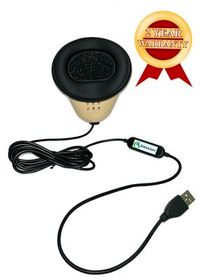
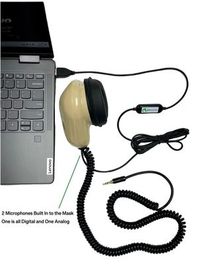
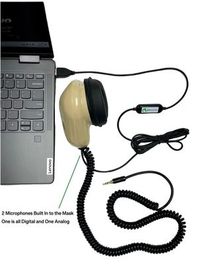
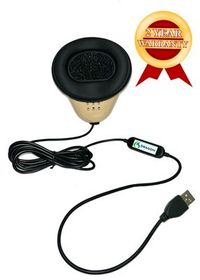
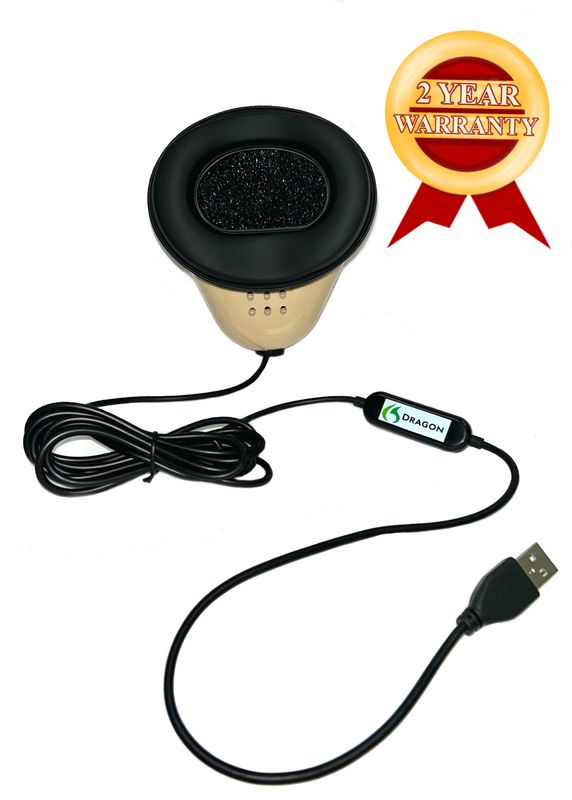
Martel's Dragon USB Stenomask supplies one direct USB microphone path for a computer. The Double Dragon 2 has a USB path and an independent 3.5 mm microphone output that can feed a compatible second device. Both microphones capture the reporter’s dictation. If the training plan calls for another recording, start the destination and replay its saved file. If your goal is to hear the original speakers as well, plan a separate source for them. An equipment drawing is complete when you can point to each expected recording and explain which voice it should contain. Martel’s microphone connection comparison.
Martel’s VOX Elite 32 GB and 64 GB packages are Windows 11 Pro laptops for voice writing and include assistance with stenomask setup and transferring files. A useful appointment request combines a live and a review task. Bring your personal mask to create a short new job. Bring an authorized old practice job whose audio you can identify by a familiar phrase. Ask to demonstrate both tasks with the equipment and software configuration under discussion. Compare the exact Martel package against Stenograph’s confirmed requirements and the applications you intend to keep open. Martel VOX Elite 32 GB package · Martel VOX Elite 64 GB package.
A reporter concerned about speed and accuracy can make the equipment check specific. Dictate one invented question and a corrected answer through the personal mask at your working pace. Later, ask a partner to find the correction in the rough and confirm the supporting audio. Note reading time, first-pass differences and time spent reviewing. If the separate Double Dragon 2 recorder was running, use its file to check the wording you actually spoke. Report those observed measurements from the tested setup. A microphone specification describes a connection, whereas these timed exercises describe what you and your configured system accomplished.
We handcraft our Dragon USB and Double Dragon 2 stenomasks in limited quantities. If a batch sells out, there may be a waiting list.
The rehearsal materials in this exercise belong to an imaginary community music library. The witness is Ivo Hale, who prepared a rehearsal score and a separate set of individual parts. Counsel calls one document a blue list and another a violet-covered score. Della Nair, the stage coordinator, has her own copy of a delivery sheet. The exercise includes a correction, a changing price, a pair of similar dates and several uses of the word part. Prepare a clearly identified practice job and an unmarked reference for the person reading the roles.
Counsel. What was in the box when you opened it? Hale. A bound rehearsal score, six loose parts and a folded list. The score had a violet cover. The list was printed on blue paper. Counsel. Were the six loose parts in the order in which they appeared on the list? Hale. The first four were. The fifth part on the list was absent from that position. I found it underneath the folded blue sheet. Counsel. How many loose parts did you finally count? Hale. Six. One of those six was underneath the list when I first lifted the lid.
Counsel. What was written on the violet cover? Hale. The title was Crossing at Dusk. Beneath that, in small print, it said rehearsal score. Counsel. Did the cover say rehearsal store? Hale. The word was score. I work in a music store on Wednesdays, but the word on the cover was score. Counsel. What did the title on the blue list say? Hale. It used the word Crossings, plural. Our rehearsal score used Crossing in the singular. I put a note in the margin of my inventory to preserve that difference.
Counsel. Who wrote the pencil note beside the flute part? Hale. I saw Della holding a pencil over the page. I did not see her write the note. Counsel. Did you ask her about it later? Hale. I asked whether she had changed the page order. She said she had moved a loose divider. She did not tell me who wrote the penciled instruction. Counsel. What does the instruction actually say? Hale. It says “wait for the second cue.” The word cue is written as three letters, C, U, E.
Nair. May I clarify where I put the divider? Counsel. Please do. Nair. I placed it in the original carton, between the delivery sheet and the returned envelope. I never put the divider between pages of the violet score. Counsel. Mr. Hale, does that affect your answer about the note? Hale. I still cannot say who wrote the pencil note. I can now identify where Della says she put the divider. Counsel. Is that an action you personally observed? Hale. I heard her describe it. I did not see her place the divider.
Counsel. Tell us the two dates connected to the rehearsal. Hale. The draft schedule gave the fifteenth. The notice posted at the library gave the fifth of the following month. Counsel. Which date did you print on the blue list? Hale. I printed the fifteenth of the first month because that was the draft I had. Later I added a separate slip showing the fifth of the following month. I did not erase the fifteenth. Counsel. When the slip was folded over, which date could you see? Hale. Only the fifth. The old date was underneath it on the list.
Counsel. How much did the library charge to replace one missing sleeve? Hale. The charge was four dollars and eighteen cents for a sleeve, and forty dollars and eighty cents for a set of covers. I initially read the second amount aloud when the clerk asked about a sleeve. Then I looked at the correct row and gave the sleeve amount. Counsel. Is the first amount you said the amount the library collected? Hale. I can tell you what the price sheet said and what I said to the clerk. I did not collect the payment and I have no receipt in front of me.
Counsel. What mark distinguished your rehearsal score from the stage copy? Hale. I put a pale green line below the title on my paper jacket. The stage copy had a green dot on the back cover itself. Counsel. Could the front of either book show that dot if photographed through the open lid? Hale. The dot was on the back. One could see it only if the back faced the camera or there was some other view. Our photograph shows both front covers. Nair. The stage copy was closed when I took that photograph. The return envelope was still under the blue list.
Counsel. What do you want to correct about your first count? Hale. I called the sixth loose part a clarinet part. On reading the second line I found that it was an oboe part with a clarinet cue. The first line contained the word clarinet. The instrument name, oboe, was on the next line. Counsel. Did that change the count of six? Hale. No. It changed how I described one part. Counsel. If I ask which part had the clarinet cue, what should I call it? Hale. The oboe part. That is how it appears on my final inventory slip.
Keep the performed reference as the first item. If a reader changed a line, mark the actual wording and point to the corresponding original source. For instance, a reader might naturally say “the first four parts were” where the script says “the first four were.” For purposes of evaluating recognition in this exercise, the spoken wording is the relevant starting point. Dating the reference and noting who read which role helps when you perform the exercise again with another group. This is practice material created to be handled openly, so every participant can learn from changes made during the reading.
The second item is the initial CAT rough. Preserve it before editing. Read one paragraph at a time and mark the words that differ from the performed reference. Keep speaker attribution and formatting in their own columns. Choose a limited set of high-value details to examine together, such as score or store, one missing negative, the date pair, the two prices and the identity of the instrument after the witness’s correction. This prevents a page full of punctuation differences from concealing the one part that changes which instrument the witness identifies.
The third item is the reviewed working copy. Every material correction you use to assess this exercise should point to evidence. A useful example is “checked original witness spelling of cue and the sentence about the rehearsal instruction.” A weaker note would simply say “music word.” If an issue remains open, record exactly what the available evidence did and did not establish and whom to ask. Give the reviewed copy a distinctive filename and reopen it before conducting a readback. Checking the correct words in memory and checking the correct saved copy are different accomplishments.
Stenograph’s CATalyst playback guide describes starting available audio at a selected point in the job. Use a recognizable surrounding phrase to locate the line you want to examine, and verify the identity of the audio. The original reader's statement about a clarinet cue and the reporter's repetition each help answer a different question. A participant may genuinely say clarinet first and correct it to oboe later. An editor who silently replaces the earlier statement after hearing the correction can create a tidy narrative that loses the actual sequence. Mark the original response and the later correction where each occurred. Playing audio in CATalyst.
Start with score and store. Counsel asks a question that contains the word store. Hale's answer uses score for the cover and store for his workplace. A reader who globally replaces store with score turns a legitimate occupation into nonsense. Locate each occurrence in the original exchange. Mark the question as asked, the witness’s first answer, the reference to Wednesday work and the final restatement about the cover. Four individually checked words can save more review time than a single broad edit that has to be undone at several places.
Then consider the two document titles. The score says Crossing at Dusk. The blue list uses Crossings, plural. The witness explicitly notes the difference. When reviewing names or titles, an accurate result for one document cannot be imposed on the other solely for consistency. Write both document names on paper and put the title the witness attributed to each underneath. Have a colleague identify the underlying item from the rough. If they can distinguish them without hearing your explanation, your working copy has preserved a useful relationship as well as the word ending.
Next take the pencil note. Hale saw Della holding a pencil and later heard Della explain that she moved a divider. Neither observation establishes who wrote the note. Read the negative through the main verb and check which person supplied each part of the explanation. A person assessing a provisional edit can ask, “Would this change turn a description of what was observed into an assertion about who did it?” If the answer is yes, require direct supporting evidence in the relevant line. A plausible narrative alone is a poor substitute for a checked statement.
Now put the two dates and two prices on separate lines. Tie each date to the document that showed it and the month relationship the witness used. Tie each price to its object, distinguishing a replacement sleeve from a set of covers. Test readback with a colleague. Ask what Hale said first to the clerk and what the sheet showed for a sleeve. Those are different questions with different answers. Check each value against the available evidence and keep the witness’s order of explanation. Normalizing a form of currency is separate from changing the price or the item.
For the two green marks, ask the reviewer to trace the physical object that bears each one. The pale green line is on a jacket below a title. The green dot is on the back of the stage copy. The photograph shows front covers. Look at the verbs as well as the colors. Is the witness reporting something visible in the photograph or explaining what would have to face the camera? This distinction is easy to lose when familiar nouns dominate the passage. A complete review checks the statement, the person and its limit.
Finally, return to the instrument. The witness initially called the loose item a clarinet part, then identified it as an oboe part carrying a clarinet cue. The count of six stays the same. A well-reviewed rough can preserve the first statement, the correction and what changed as a result. Ask someone to locate the first count, the instrument correction and the final answer about what to call the item. Write which source and which working copy supplied each readback. You will have measured a much richer skill than whether a recognition engine knows both instrument names.
Prepare a paper slip with this invented suggestion: “Change every instance of Crossings to Crossing to match the cover.” Have the reviewer identify which item the cover belongs to, who described the blue list and where the witness explicitly distinguished the two forms. A careful result is to retain both forms at the appropriate locations. No automated product is claimed to have issued the suggestion. It is a deliberately tempting editorial exercise. It demonstrates why a proposal can be grammatically reasonable and still fail to represent a source faithfully.
Give a second slip saying “Review the missing negative in the answer about writing the pencil note.” This is a better instruction because it identifies an issue for investigation without prematurely prescribing a result. Listen to the original statement and compare the mask dictation when available. If the rough differs from the evidence, change the working copy and make an identifiable note. If the rough was already correct, mark the review complete and leave the text as it was. A person evaluating suggestions needs a meaningful way to record both decisions.
On a third slip write “The charge was forty dollars and eighty cents.” Ask what question that amount answers. It is the price for a set of covers. It was also the amount Hale initially read when asked about a sleeve. It is not the sleeve’s stated charge. Insert that figure indiscriminately in every line about payment and the original testimony loses its distinction between an initial answer and a corrected one. The exercise illustrates the value of a separate number check even when other portions of the text have received careful attention.
Before leaving the editorial slips, have a colleague write one of their own about the stage photograph. An effective slip should ask a question a second person can answer from the available evidence. “Check where the green dot would be visible” gives the reviewer the object, color and issue. The reviewer can then locate the paragraph about the front covers facing the camera, identify who described them and state what could be seen in that particular picture. A slip saying “fix the photograph” leaves the intended task so open that two reviewers could make different, equally confident changes. Have the colleague try both notes and explain which one they could use independently.
Use the same method to improve notes about technical operations. An equipment note might say that the separate recorder contains the reporter's words and give the start of an identifiable sentence from it. A recognition note might identify the first unedited rendering of the singular title. A review note might identify where the witness spelled the word cue and explain why the working copy uses that spelling. Each note should stand on its own if separated from the other two. Read them in a different order than you wrote them. If one says only “it worked,” replace that with the particular file, action and result it describes. This makes each observation useful to the next person, whether that person is a trainer, a laptop specialist, a scopist or the reporter returning to the job several days later.
Ask the student to point to the moment when spoken words become an initial rough and then to the separate moment when somebody checks an uncertain statement. Recognition concerns the former result in the configured workflow. Review concerns whether the words, their speaker and their context are correct in the working copy. Give the student the invented score-or-store passage. They can demonstrate the distinction by dictating it once, saving the result and then listening to the source before deciding whether a particular occurrence needs an edit.
Stenograph and Speechmatics describe speech recognition integrated into CATalyst VP and identify it as running on the device. The public statements supply the product name and general function. If your decision concerns a specific laptop or license, obtain Stenograph’s requirements and starting instructions for your installed edition and build. The announcement is the right reference for identifying the collaboration. A successful sample on your own supported setup is the right place to record what you actually dictated and recovered during practice.
Stenograph names Phoenix as the technology used for its optional Check It editing feature, where available audio is compared with an existing transcript and suggestions are presented. Speechmatics is the recognition technology named in the separate on-device CATalyst VP announcement. Give each name a task in your notes. This is important when asking whether a particular operation requires a connection, a separate entitlement or a supported type of job. The relevant answer is the one the publisher gives for the feature you plan to use.
You can complete the fictional music library review using a saved rough, the performed reference and the audio you recorded and are permitted to use. The paper suggestion slips are lessons in editorial judgment. They do not rely on any installed comparison feature. If an employer or school uses a particular add-on, ask which jobs it supports, who holds the license and what procedures apply. You can keep the exercise and its expected results fixed while learning how a specific authorized environment supports the review.
Numbers can attach to different events or objects while remaining plausible. In the fictional dispute, a sleeve and a set of covers have different prices, and two dates belong to different schedules. Stenograph also states that Check It omits numbers from its suggestions. Give significant values an independent pass in which you check the speaker, the value, the unit and the associated item. A well-formed dollar amount in a grammatical sentence still deserves a check against what the witness or counsel actually said. Stenograph’s explanation of number handling.
Use a known passage and a marker that identifies the recording’s role. The source performer can introduce the music library hearing with one distinctive phrase. The reporter can introduce the mask sample with a different phrase. Listen to each file and identify which voice and context it actually contains. If the file starts after the marker, use another known exchange and compare the physical routing notes. Label the finding before using the recording to settle a word. Two clear voices can supply different evidence because they said different things.
It tells you what can be heard from the reporter's mask in that sample. Compare it with the original source to establish whether the reporter preserved the words and relationships. The fictional witness distinguishes a green line on a jacket from a green dot on a cover. The reporter could clearly repeat the wrong object. In that case the mask recording would be excellent evidence about what was repeated, and the witness recording would reveal the discrepancy. The two observations together identify what to practice next.
Start the lesson with a short directly connected dictation sample from your own mask. Choose a sentence that contains two related objects, such as “the pencil rested on the score beneath the blue list.” Let the student or editor compare the original phrase, the recorded dictation and the rough. If the relationships are right, the sample shows a working microphone path and a successful reading. If a term differs, the available recording helps distinguish a change introduced during repetition from a later recognition or editing difference.
If you saved a separate dictation file on a compatible recorder using the independent microphone path, you can ask exactly what you spoke at a given moment. Identify the external file, its starting marker and a short surrounding phrase. This can be particularly helpful when you want to check whether a name, spoken correction or personal cue reached the mask. The external dictation copy and the original speaker recording serve different purposes. Identify which one you used in any note sent to a trainer or scopist.
Ask to open an authorized transferred job and find a known text passage and its associated audio. Then create a new fictional job on the prepared computer using your own mask and the confirmed software workflow. Save and reopen the new job and retrieve a detail neither the folder name nor article title reveals. These demonstrations check file transfer, current capture and practical review separately. Bring the requirements Stenograph supplied for your intended recognition arrangement when discussing the appropriate Martel VOX configuration.
Give the word-recognition result credit for the text it actually preserved and flag the speaker attribution separately. In the page about the divider, Della describes placing it between two items. Hale says he heard that description and did not see her perform the action. A shifted label could make one participant appear to supply both statements. Check the original turns and the reporter’s identification of them. On a working copy, preserve an observable reason for the correction rather than simply choosing the name that makes the story sound smoother.
Identify the source of the difficulty. A paragraph break may be missing, two speaking turns may run together or a document title may lack the presentation expected for the assignment. Compare the ordinary words with the reference first, then examine their structure and style. Record the particular change you made on the edited copy. This lets you see whether later practice should address enunciation, recognition settings, speaker cues, file templates or ordinary transcript editing. Each of those calls for a different kind of work.
Find out whether every occurrence has the same meaning and source. In the exercise, store is accurate when Hale mentions a workplace and when counsel uses the word in a question about the cover. Score is accurate for the object itself. A change affecting all occurrences can destroy real distinctions in testimony. Review the nearby question and answer for each candidate. If a group change is ever appropriate under your editing procedures, verify its scope in the working copy and inspect the results in context.
A question is itself part of the spoken exchange. In the rehearsal example, counsel's use of “store” gives the witness a reason to clarify “score.” If the original question is silently corrected, the witness’s subsequent explanation may appear unprompted. Preserve the sequence and attribute the differing word to the person who used it. A reader who was absent should be able to understand both the question and the reason for the response. Later, reread both turns together to check that their relationship remains intact.
Listen for what the later statement contributes. Hale gives a first instrument identification and later revises it after reading another line on the part. Another statement may repeat the count of six while explaining that the instrument description changed. A visually similar sentence can therefore add important context. Compare the time, speaker and immediate question before deleting or merging anything in a practice copy. If two words truly duplicated during recognition, the source and the reporter’s dictation can help identify where that extra occurrence entered.
Identify the specific object each name belongs to and check the evidence individually. In the example, Crossing at Dusk is the title on the score while the blue list contains a plural form. Make a two-entry note naming the document, observed wording and source of the wording. If a witness spells a title or corrects it, place that part of the reference beside the appropriate item. Consistency in spelling is desirable when the underlying term is the same. Accurate distinction matters when the source deliberately uses more than one form.
Identify who gave the figure, which document or event it came from, the amount, the unit and whether the speaker corrected it. Keep the difference between a listed price, an amount spoken to a clerk and an amount actually paid. The fictional witness does not claim to know how much the library collected. A clean-looking figure in a numerical column could still introduce a payment assertion the witness never made. Write the narrowest accurate conclusion supported by the original exchange and your permitted evidence.
Write each complete relationship in words before choosing how it should appear in the working copy. The initial schedule gave the fifteenth of one month. The later notice gave the fifth of the following month. A sentence retaining both day numbers can still lose the month change. Listen through the witness’s explanation about the folded slip and the date underneath. A short review note identifying the document and relative month can be especially useful when no actual month name was supplied in the testimony.
It means that you identified the candidate issue, examined the appropriate evidence and found a reason to retain the wording. The fictional suggestion that both printed titles should match is a case in point. The witness describes a singular and a plural form on different documents. A good note names those objects and the clarifying passage. Declining the proposed change in that instance preserves evidence. If the evidence is insufficient to decide, mark an open question instead. Both decisions should be distinguishable from simply skipping over a suggestion.
Identify which job and working copy you are viewing and which audio source was expected to exist. Use a known passage, the file name and the description of the original recording arrangement. A job copied without all associated files presents a different question from a session where a particular source was never recorded. For a practice case, see whether the original job and recording can be opened together on the known setup. Tell the appropriate support person exactly which combination works and which one still needs attention.
One person originally spoke and another person repeated the words. Both microphone paths can faithfully capture different utterances. While repeating, a reporter may shorten a sentence, shift a document title or miss a brief negative. The edited rough may also differ from both. Compare the exact order of the statements and identify what changed at each stage. In training, this can point directly to a listening or repetition exercise even when the equipment is operating exactly as expected. Save both clear examples as evidence of the distinction.
Fictional material lets you share a short, reproducible issue without involving the participants or documents from an actual proceeding. You can also design an exercise to test exactly one distinction, such as the difference between a cue in a clarinet part and a clarinet cue in an oboe part. A fresh reader can reproduce the same exchange and a supporter can understand the expected result. Name the example clearly so nobody later treats it as a record of a real court, school, client or software test performed by the publisher.
You can report the material, setup, duration, number or type of corrections and the time you actually spent on review. Mention whether you had seen the material before. A focused result could describe recovering the two price statements from a saved practice job on your VOX laptop after dictating through your personal mask. Keep that finding tied to the session. Broad claims about speed or accuracy across users would require a different kind of evidence. Your own benchmark is most valuable for choosing what you personally need to practice.
Identify the first rough and the working copy to be reviewed. State which source contains the original speakers and which contains your mask dictation. Give two or three questions that name a precise passage, such as the wording about the blue list’s title or which instrument carries a clarinet cue. Ask the scopist to indicate when they made a change and when they left a question. This lets you trace a later decision back to the appropriate evidence and the correct version of the job.
It identifies where the publishers say the announced Speechmatics recognition runs in CATalyst VP. Check each additional feature against its own documentation. Stenograph describes internet use and audio comparison for optional Check It, for example. A decision to copy a file, hand material to a colleague or use a connected service also has its own destination and authorization. Draw a line for each operation in your intended workflow. This gives you a much clearer picture of your data handling than applying one term from one announcement to every action on the computer.
Ask when your workflow depends on a specific feature, supported job type, licensing arrangement or release requirement. Identify the intended use, the actual CAT edition and build, and whether the material being reviewed originated from a voice or other workflow. Use the public feature page to name the product accurately, then ask for the current answer for your situation. A general description of an editing tool can explain what it was designed to accomplish without settling whether your particular job and account are eligible.
Describe the last task you could demonstrate. If words failed to appear in a fresh confirmed practice job, identify the speech input, selected workflow and what you spoke. If words are present but you cannot locate matching audio or assess a particular discrepancy during editing, describe the job, source and review action. If the difficulty concerns the USB or independent recorder connection, include the Martel mask model and which destination produced an audible sample. An accurate account of that last completed task usually routes the question more effectively.
Choose a witness who changes an earlier statement and retain both parts of the performance. Have a partner read Hale’s first identification of the instrument, followed by the correction about the oboe part and clarinet cue. Write the initial statement and the later correction separately. Then ask the partner whether either has been quietly rewritten using hindsight. Doing this with several unfamiliar, invented examples builds the habit of preserving the order of testimony even when the final explanation is clearer than the initial answer.
Give another person only the working copy and the accompanying permitted material and ask them to retrace one decision. They should be able to identify the passage, which source was checked, the proposed or completed change and any unresolved question. If a file name is ambiguous, add a spoken marker or a recognizable surrounding phrase. If the person finds the correct moment but cannot tell whether the voice is the original witness or the reporter, improve the source description. The purpose is a retrievable decision, not a longer note.
Reopen the reviewed fictional job and answer three requests out of order. Find which document used the plural title, what amount the price sheet assigned to a sleeve, and which instrument carried the clarinet cue. Identify the speaker and evidence for each. Then open the original rough and show one place where review changed the working copy or where you deliberately retained an accurate expression. The exercise is complete when you can demonstrate both the recognition result and the independent reasoning behind your checked transcript.
Distinguish Speechmatics recognition in CATalyst VP from AudioSync playback and optional Check It editing. Review a fictional music-library hearing.