



A Mock Court Hearing From Roll Call to Readback With Speechmatics
Run a complete fictional footbridge hearing with Martel stenomasks, two witnesses, exhibits, a recess, a disputed readback, and four separate scores.
Ask two different questions about a line of testimony. What did the person across the table say? What did the reporter repeat into the stenomask? Those questions often have the same answer, but they describe different sounds made by different people at slightly different times. A room microphone can capture the voice of the person across the table. A personal stenomask captures the reporter’s dictation. If you use Speechmatics in a supported CAT workflow, the words on the screen are another part of the record you can inspect. They are not an additional recording of either person.
An ordinary example makes the distinction audible. A speaker says, “The railing was blue on the river side.” The reporter repeats, “The railing was blue.” A good mask recording can let you hear plainly that the reporter ended after blue. A room recording in which the original sentence is intelligible can supply the words on the river side. If the rough reads exactly what the reporter dictated, the comparison points to a difference between hearing and repeating. Turning up a microphone after the fact cannot put the missing phrase into the earlier dictation.
There is an equally useful example in the other direction. Suppose your mask recording contains the full phrase including river side and your rough reads Riverside as a place name. The words sounded similar, but the practice reference describes one side of a bridge. You can hear the reporter’s delivery, read the rough in context and resolve how the phrase should be represented. That calls for a different review than a phrase left out while repeating the witness. Having material from the relevant source makes it easier to act on the difference you actually found.
The exercises in this guide use an invented inspection interview about a pedestrian bridge. No real bridge, individual, assignment or proceeding is represented. Work in a private practice setting where everyone knows what is being recorded. Use your workplace’s procedures for recording, handling and distributing any actual job. Here you can arrange people and microphones deliberately, label the files, compare voices and find out what your setup provides without enrolling a practice partner in a real case or charging a customer for a mistake made during a lesson.
Draw the first route starting with the witness’s mouth. Continue to the room microphone you plan to use and then to the device or supported software input recording that microphone. At the end, write where you expect to open the room recording. On a second line write the reporter’s name or the word reporter. Continue from the reporter’s personal mask to the selected laptop input and the recording destination available in your setup. Beside that route write where the recognized text appears and how you will find the saved practice rough. One input can contribute to more than one result, so identify each intended result by name.
Now put the listening equipment on the map. The speaker or headphones used for playback take sound from a saved file after the session. A microphone provides sound to a recording input during the session. A computer may list both choices on a sound settings page, and portable equipment may place listening and recording jacks near one another. Writing “this is where we listen to the room file” keeps the listening device in the correct part of the drawing. It also helps if you later hear sound through the wrong speakers while trying to compare the two files.
Next, write down who operates each recorder or application in the rehearsal. If one person operates everything, identify which record control that person will start first, when the second recording starts and how both are stopped. If a practice partner is responsible for the room recorder, agree on an opening sentence spoken after both destinations are active. The two files may have different elapsed times. A shared, audible beginning gives you a practical point of reference for the comparison even when nobody starts two devices at exactly the same instant.
End the map with files you can identify from the contents. “Room microphone, practice witness and two questioners, bridge rehearsal” tells a future listener quite a bit. “Second audio” tells very little. On the mask line, add the model and an identifying phrase you will speak personally. On the CAT line, add the exercise subject and the name you gave the practice job. If you discover that your configuration supplied only two of the three desired results, preserve those findings and plan how to add the remaining destination in the next exercise.
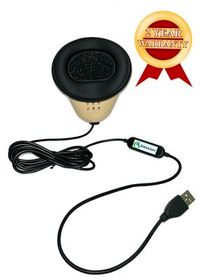
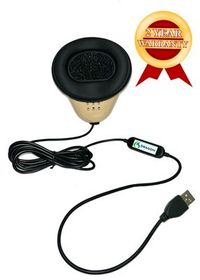
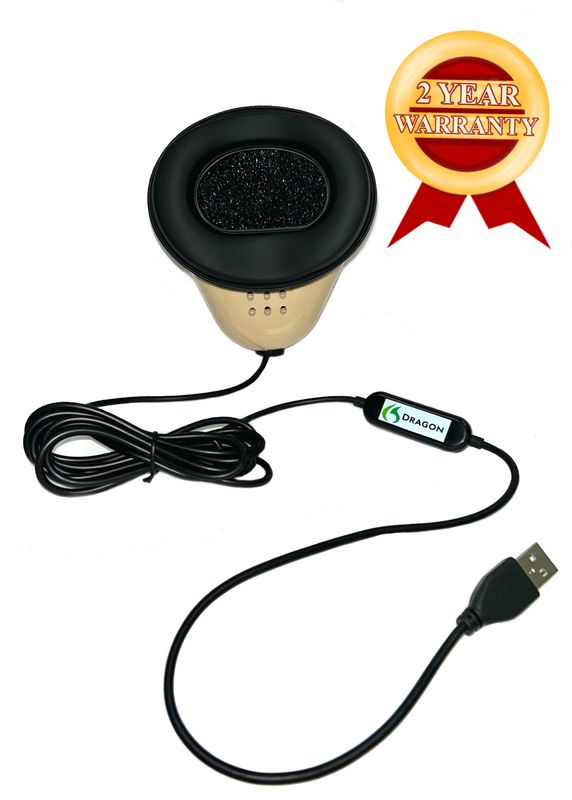
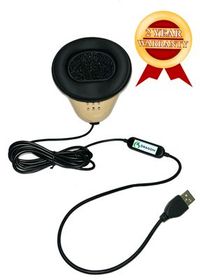
Martel’s Dragon USB Stenomask sends the voice spoken into the mask to the computer through its built-in USB sound card. Choose this mask when one direct computer microphone connection fits your reporting setup. To turn the signal into something you can hear later, the computer must record it through an appropriate application or job recording configuration. Before relying on it in the comparison exercise, make a short masked recording and reopen the file. Listen for a phrase you personally spoke into the mask while the other practice participants were quiet. Martel Dragon USB input specifications.
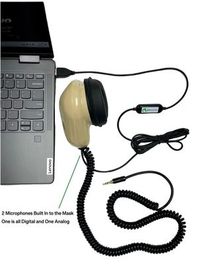
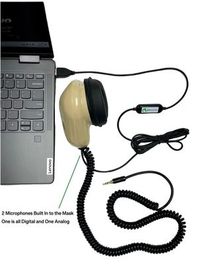
The Martel Double Dragon 2 has two microphones inside the personal mask. One feeds the computer digitally over USB. The other can feed a separate compatible device through a 3.5 mm analog microphone connection. Those two microphone paths enable separate recordings of the reporter’s own dictation when both destinations are correctly set up and running. A recorder connected directly to the analog mask microphone is receiving mask audio. If you also need a recording of other voices in the room, include an appropriate additional room source and a receiving arrangement that can record it. Martel Double Dragon 2 routing.
Martel’s MM-ST1 likewise uses two microphones for the person speaking into the mask, but its two outputs are analog 3.5 mm connections. Identify two suitable receiving microphone inputs for the planned use. A computer without the appropriate analog microphone input may require a compatible external audio adapter. Match the connections to the receiver you actually have. Two analog leads from a personal mask represent two paths for dictation. A separate room microphone remains the way to pick up people speaking across the space. Martel MM-ST1 microphone outputs.
Take a moment to compare what a listener might wrongly assume from filenames alone. An MM-ST1 recorder file called “witness” might actually contain the reporter’s rendition of that witness’s statement. A Double Dragon recorder file called “room backup” might also contain only the reporter’s mask microphone. The name cannot change what reached the input. If you already have a collection of practice material, play a few identified samples and adjust the descriptions of your working copies to match the source. Keep enough information to trace a working file to the original you saved.
Martel’s court reporter microphone category distinguishes room microphone options by receiving equipment and use. Its examples include USB microphones for compatible laptop workflows and HGM-2 options for suitable recorder or writer microphone inputs. Begin a room-microphone decision by identifying where the room audio will be recorded and which physical inputs are available for it. A room microphone with the correct connector and supported receiving equipment gives you a route to test. Make an actual practice recording from representative seats before deciding how well the arrangement serves your space. Martel court reporter microphone options.
A room recording is shaped by the people and sounds that reach that microphone. One person may face it while another turns to read from a drawing. Papers may be handled near it, and two people may speak close together. A room microphone may also pick up some sound from the reporter or another device. Use the microphone’s placement and the actual saved audio to judge what is intelligible. Label the route by the intended source and listening purpose, while acknowledging that an open room microphone can receive more than one voice.
The mask has a different intended source, yet a practice test should still rely on listening rather than an assumption of perfect isolation. If you can faintly hear a questioner in the background of a mask recording, the loudest nearby voice may still be the reporter. Identify the route by tracing the personal microphone to its input and by comparing recognizable phrases from the reporter and other speakers. A little background pickup on one file does not turn it into the separate room recording you intended to make.
Consider a three-seat practice room. Place the original questioner and the witness at their intended seats. Put a second questioner near the position from which someone might ask for a clarification. Make a fixed, identifiable utterance from each position. Keep the personal mask with its owner. Later play the room take and write which words you heard from each seat. Play the mask take and identify what the reporter repeated. This simple seating exercise gives better evidence of your actual recordings than any description of an empty room or the size printed on a floor plan.
If your computer will handle both mask and room audio, verify the supported recording arrangement for your hardware and software. The fact that two microphones are connected does not establish that two separately reviewable tracks are being recorded. Determine whether your workflow keeps separate sources, combines them or selects one at a time, then prove that result by playback. If your arrangement uses separate receiving devices, identify their individual files and common spoken marker. In either case the goal is to know exactly what a later listener can retrieve.
Stenograph’s public CATalyst audio help explains playing available job audio from a cursor position and describes selecting individual channels when Direct Audio is used. Those controls operate on the audio actually available to the job under the documented recording arrangement. If your practice job has a channel choice, identify what was recorded on each channel using distinctive spoken material. A menu label tells you where to look. The familiar voice and special phrase you hear in the selected channel establish what you recorded there. Stenograph’s CATalyst audio playback documentation.
Stenograph also describes Speechmatics recognition operating on-device in its CATalyst VP integration. Advantage Software describes Dragon Professional and Speechmatics Enhanced options for EclipseVox. When setting up the recognition part of your practice, follow the publisher’s instructions for your edition and access. For local Speechmatics in EclipseVox, Advantage identifies its Boost Box or a qualifying computer purchased from Advantage Software. Confirm your processing arrangement with the publisher and identify the intended mask input separately. This lets you discuss a VOX laptop and microphone setup without making the recognition engine responsible for storing an independent room recording. Stenograph’s Speechmatics announcement · Advantage Software’s EclipseVox description · Advantage Software’s local requirements.
If you are listening from a recorder instead of inside the CAT job, note that explicitly. For example, “The witness’s original voice is on bridge-room-two in the recorder folder. The reporter’s dictation is in the computer job called bridge-mask-two.” Then test the directions from the standpoint of the person who will use them. Can that person find the right file and tell which voice is expected? A clear reference to where the sound came from usually matters more than a perfectly polished filename or an exact match between two clock displays.
Martel’s 32 GB and 64 GB VOX Elite laptop packages list assistance with stenomask setup and CAT file transfer. If you are arranging a new reporting laptop, describe the specific room input, personal mask and saved files you expect to review. Bring one small fictional practice job with associated audio and a simple source identification exercise for the new computer. The laptop preparation can then include a test of the real work you plan to perform. Explain separately any publisher-specified equipment you need for your chosen recognition arrangement. Martel VOX Elite 32 GB · Martel VOX Elite 64 GB.
Hear what your Martel stenomask, room microphone and Speechmatics rough each preserve in a fictional bridge interview with an original listening exercise.
In the following fictional exercise, Rowan asks questions about a painted pedestrian bridge, Ellis describes a walk across it and Mara later asks for clarification. The reporter repeats the exchange into a personal mask. A partner can read the original speakers, or three partners can divide the parts. Give the reporter a chance to work without seeing the full reference during the first run. Give the person operating the room equipment an identifiable start marker and check that the mask recording destination is active as well. You will need both forms of audio and the saved rough for the full comparison.
Rowan asks, “From which end of the bridge did you start walking?” Ellis replies, “I started at the garden end. There is a low brick wall on the left as you approach the bridge from the garden. I rested my hand on that wall while I read the drawing. The river was behind the trees at that point. I could hear the water, but I could not see the water until I had taken about five steps onto the wooden deck.”
Rowan asks, “Which part of the railing had been painted blue?” Ellis replies, “The railing was blue on the river side. The opposite railing was green for the first few yards and then bare wood. I thought the blue strip continued all the way to the far bank. When I reached the middle I could see that the last two sections were unpainted. I made a pencil mark on the drawing where the color changed.”
Mara asks, “When you say the middle, do you mean exactly halfway between the two ends?” Ellis replies, “I mean where the bench stands. I did not measure the distance. The bench is fixed to a wide part of the deck. A person sitting there can face the river. I stopped there because there was room to unfold the larger drawing without standing in anyone’s way. I used the word middle as a convenient description of that place.”
Rowan asks, “What did you find under the bench?” Ellis says, “I saw a white chalk line on one board and a small round washer on the next board. I picked up the washer and set it on the seat. I left the chalk line as it was. The person walking behind me asked whether the washer came from a bolt under the seat. I told him I did not know. I did not look under the seat until later.”
Mara asks, “Did you photograph those boards before moving the washer?” Ellis replies, “I photographed the chalk line before moving the washer. I photographed the washer after placing it on the bench. One picture shows the white line and part of my shoe. The other shows a silver washer beside a dark knot in the wood. There is no picture of the washer where I first saw it. I noted that in the margin before I put my phone back in my bag.”
Rowan asks, “Which drawing were you using when you made your note?” Ellis replies, “There were two drawings in my bag. The smaller one showed the whole path to the bridge. The larger one showed the deck board by board. I put my pencil mark on the larger one. I folded the smaller one around it afterward to keep the loose edge from tearing. You can see a triangular crease on the small drawing. The blue line is on the larger drawing inside it.”
Mara asks, “Which line is blue, the mark you made or a line someone printed?” Ellis replies, “The printed line on the large drawing is blue. I used an ordinary pencil. My mark is in grey and touches the blue line near the little square representing the bench. If you unfold the large drawing, the first thing you see is the blue line. Turn the paper a little and you can see my grey mark next to it.”
Rowan says, “I am asking about the condition of the boards when you returned the following morning.” Mara says, “Before we move to the morning, may we identify the time of the first visit?” Ellis replies, “I wrote four fifteen on the back of the larger drawing. That was when I sat on the bench and checked the time on my watch. I had started walking several minutes earlier. I did not write down the exact time at the garden wall.”
Rowan asks, “What changed when you returned the following day?” Ellis replies, “The washer was gone from the bench. I saw a little damp circle where I remembered placing it. I could not say what made that circle. The chalk line on the deck was still visible although it looked shorter. I had brought a small ruler this time. I measured what I could see that morning and wrote eleven centimeters on a fresh sheet. I did not measure the line during the first visit.”
Mara asks, “Did you measure a line on the drawing or the chalk line on the board?” Ellis replies, “The line on the board. I put the ruler on the deck with zero at the end nearest the bench leg. The ruler extended past the other end of the visible chalk. I wrote eleven centimeters and then added the words visible portion. On the sheet I had from the first walk there was a drawing of the line with no length beside it.”
Close the run by having one of the original speakers say “End of bridge walk exercise” while the reporter repeats that closing phrase into the mask. Stop and save each intended recording. Before listening, write two phrases you expect to find and note the voices you expect to hear. “Visible portion” should be spoken by the person playing Ellis on a clear room recording and by the reporter on a clear mask recording. That prediction lets you do a first listening pass with a specific purpose.
Make a working copy and use the passage about the paint as an experiment. Have a partner repeat just the original line about the railing. On the first trial, deliberately leave out the words “on the river side” when repeating it into the mask. Save and identify that trial as a deliberate omission. Open the room audio and locate the full phrase spoken by the partner. Then open the mask audio and notice exactly where your own statement stops. See what the CAT rough contains. This simple case gives you a known example of a detail lost between hearing and repeating.
On a second trial say the full phrase into the mask. Start a fresh take so that the engineered omission remains available for comparison. Review both recordings and inspect the new rough. If the text preserves the full meaning, write that down. If it presents “river side” as a proper name, note the spelling and use the surrounding answer to settle the intended meaning. You are comparing possible outcomes, not staging a claim that any particular recognition engine will produce a predetermined error. Record what your own software actually did on the second trial.
Now work the chalk-line segment without deliberate changes. The witness described an observation made on each of two visits. The number eleven centimeters belongs to the second visit only. Play the original speaker’s complete answer, listen to your own repetition, then read the corresponding rough. For each one finish the sentence “The length was measured when…” If all three answers refer to the following morning, your setup and delivery preserved that distinction in this rehearsal. If one points to the first visit, follow the evidence back in order to identify where the change first appears.
The photographic evidence creates another instructive comparison. The chalk line was photographed before moving the washer. The washer itself was photographed on the bench after it had been moved. A room file alone may contain enough to retrieve the original witness’s two sentences. A mask file alone may show whether you dictated both the order and the objects correctly. The transcript should allow a reader to see which event belongs to which picture. Work one picture at a time so that a clear photo-related word does not distract you from the before-and-after relationship.
Names and speaker labels deserve their own pass. Ellis gives every witness answer. Rowan and Mara both ask questions. Listen to the two original questioners’ opening words in the room file and identify their voices using your role assignment. Then listen to the reporter’s mask file. You should hear the same reporter’s voice when repeating either questioner. How the software represents a speaker change depends on the supported workflow and what the reporter supplies. Read the saved labels against the exercise reference rather than expecting the mask recording to recreate each original voice.
For another fictional take, ask Rowan to begin “I am asking about the condition of the boards” and let Mara begin “Before we move to the morning” just before Rowan finishes. Both people should use an ordinary speaking level. Capture the room and mask routes under the same conditions as the first run. The reporter should use the professional or classroom approach appropriate to an overlap. A brief practice interruption can be followed by orderly repetition of each question. Mark the actual sequence of the practice recording, including the orderly repetition, in your notes.
In the room file, identify whether you can distinguish both voices, only the beginning of one question or the end of each question. Write the words you can actually understand from that recording and put a question mark beside anything you cannot recover confidently. In the mask file, listen for which words the reporter repeated and in what order. The mask can make the reporter’s own rendition clear even when two original voices coincided. Neither a confident delivery nor a clear signal settles an original word that the reporter did not hear.
Repeat the exercise with the participants taking turns from the same seats. Compare the ability to identify who asked about the morning and who asked about the boards. This follow-up changes turn-taking while preserving seat positions and hardware. If the orderly take is clearer on both routes, your comparison has demonstrated something about the exchange you staged. If one original speaker remains difficult to understand on the room recording, do a separate room-placement exercise with that person speaking alone. Make and label a new file for the change you want to evaluate.
A reviewer working from the rough may ask for “the part where counsel changed the subject.” That request could mean Rowan shifting to the following morning or Mara asking to settle the time before moving on. Ask the practice partner what information they want to hear, then locate the relevant exchange in the room source when it is available. Follow with the reporter’s dictation and the saved text. You are practicing a navigation skill as well as an audio comparison. A well-named file and a handful of recognizable nearby words are often much easier to use than a long list of unexplained time positions.
Prepare a short note for another person who has permission to review the invented material. Give the practice job name and the two saved audio sources in a sentence. Follow with the opening marker, the identity of the reporter, the fictional speakers and a short description of any deliberate difference in a take. For example, say that the first river-side rerun intentionally leaves out the final phrase in the reporter’s repetition. Otherwise a colleague may spend time diagnosing an expected difference that was built into the exercise.
Give the reviewer a question that requires choosing a source. “On the second visit, what did Ellis see when looking for the washer?” directs the reviewer to the bench and the little mark on its surface. A follow-up question is, “Did Ellis claim that the damp circle was made by the washer?” The original speaker declined to identify its cause. The mask file can show whether the reporter carried that limit into dictation. The rough can show how it will read to someone without either recording.
Try another question that only the reporter’s take can answer directly. Did the reporter clearly speak the phrase “visible portion” the first time through? Your original script tells you what ought to have been repeated. The reporter’s mask recording tells you what the reporter actually dictated. If the first rough contains just a number, a reviewer needs precisely that distinction before assigning the finding to dictation or recognition. Include a reference to the rough before edits so the reviewer can compare the first output with the later checked copy.
For a final retrieval challenge, close all files and put the reference sheet aside. Ask a partner to find the sentence about the grey mark, identify the person who asked the clarification and identify the color of the printed line. Have the partner say aloud which source they used for each answer. If they opened the reporter’s dictation expecting to hear three distinct original speakers, revise the source labels. If they navigated both recordings and the rough without guessing, your map is now understandable to someone who did not set up the equipment.
We handcraft our Dragon USB and Double Dragon 2 stenomasks in limited quantities. If a batch sells out, there may be a waiting list.
Use the source that captured the original witness clearly, usually the separately arranged room microphone in this exercise. Find the first mention and listen through any spelling or clarification. Then use the reporter’s mask recording to hear how that pronunciation was repeated. These two observations answer different questions about the same surname. Write which source supplied each and follow the appropriate verification procedure for the job you are editing.
The recording fed from your own stenomask is the direct source for that question. Identify the actual file by its input and the recognizable words you spoke while testing it. With the Double Dragon 2 there can be two separately captured versions of your own dictation. With a single USB route the file may be on the computer. A particular file’s existence still depends on a receiving device that was recording and saved it.
An open microphone can pick up several sounds in its surroundings, potentially including the reporter. During a private practice session, record the original questioner speaking alone and then the reporter dictating into the personal mask. Listen through the room route and note what is actually intelligible from each. Repeat the observations from the intended seats. That is a practical way to learn your setup without assuming that every open microphone captures every participant equally.
Listen to your personal mask take and identify the prominent voice along with any audible background. The equipment’s purpose is to capture the reporter’s dictation, and that is the route you should document. Hearing a distant original voice faintly behind the reporter does not establish that the complete original exchange was captured clearly. If original voices are important to the job, plan a suitable separate room recording and verify its own saved contents.
The USB microphone and the second analog microphone are both in the reporter’s personal mask. They can feed independent destinations that preserve the same person’s dictation. The two resulting files may differ in level or playback character because the receiving and listening paths differ. Count destinations separately from speakers. If you want a source for a witness sitting across the table, add a room microphone connected to a compatible recording arrangement.
They are two independent analog microphone outputs from the personal mask. Match each plug to a suitable input and establish what its receiver records. Two plugs make it possible to route the reporter’s voice to separate compatible destinations. They do not assign one microphone to a witness at the table. Identify the source and destination in each filename and make an audible test of both connections before using the files for a comparison.
Yes, if an appropriate additional room microphone and supported recording arrangement are available. Decide which device will record each source and whether your software can keep the sources separately reviewable in that configuration. Run the source-specific markers and play the files. A computer recognizing a USB mask and a room microphone in its device list alone does not establish the recording or channel arrangement you need for later listening.
Identify the receiving device’s supported input and the places from which people will speak. Use Martel’s room microphone listings to compare suitable connections. In the intended space, have each participant say a distinctive invented line from their seat while recording. Listen to those lines before changing placement. The real task is hearing the people you expect to review, using equipment compatible with the device that will save the result.
Label the file as a single reader performing several roles. You can still check wording and compare that reader’s statements with the reporter’s repetition. If you specifically want to practice distinguishing original speakers by voice, recruit separate willing practice partners or make a later exercise with different voices. Do not assess your ability to identify a second voice in a recording in which only one person played both parts.
The extra questioner changes the review problem. Two people can ask about the same event for different reasons. Rowan wants to move to the following morning, while Mara asks to establish the time of the first visit. Listening to both original voices can help identify the exchange. Reading the rough then tests whether its labels and sequence convey the same distinction to a reader without either recording.
Use the contents and their origins to distinguish them before giving working copies useful names. Open one recording at a time, listen for who speaks and trace the file back to its destination. Add source and segment to the description, such as “room, first visit” or “mask, return.” Preserve the relationship to the original assigned filename. Two copies with handsome labels are only helpful when the labels describe what the files really contain.
A time can help find a passage inside a known file, but two devices may start at different times and use different counters. Record the filename and an identifiable nearby phrase along with the time. If the reviewer opens the wrong file, the missing phrase will reveal the issue. If they open the right file, the phrase also helps establish which part of a long answer they need to hear.
Use whatever recording arrangement the publisher supports and your assignment permits. Verify which source supplies the audio associated with the job. If the job contains only the personal mask feed, it can help you hear what the reporter dictated. If it contains room audio, it may help with original voices. If separate channels are available, identify the source on each through a marked practice sample before depending on channel names.
Stenograph’s CATalyst playback instructions describe selecting one or more channels in Direct Audio. Consult the directions for the setup you actually recorded with. Use a short original-room phrase and a separate marked dictation phrase to identify each available source. An option that allows channel selection is valuable when the underlying recording contains the desired sources. It cannot produce separate original voices that never reached those inputs.
If all the words of a question are present but the rough assigns them to the wrong questioner, the word sequence and the attribution need separate findings. Compare the original room exchange with your own account of the speaker change and with the saved labels. In the bridge exercise, correctly capturing Mara’s question about the time of the first visit still leaves an important correction if the job lists it under Rowan.
Find the witness’s statement that they could not identify what made the damp circle. Listen to the original voice and the reporter’s dictated version, then read the first rough. A missing negative could change a limitation into a positive claim. Check the complete thought instead of searching only for the word circle. The word may be present in every source while a short qualification appears in only some of them.
Play the original speaker’s full sentence from the room recording or the reference source supplied for the exercise. Then play what the reporter dictated at that point. If the reporter omitted the river-side phrase, write that specific comparison in the working notes and follow the appropriate editing procedure. A mask recording may accurately preserve an omission. Knowing which step produced it makes the next practice exercise much easier to design.
Work from the full exchange and the contextual clues around the word, following the review procedures that apply to you. In a mock session you can ask the practice speaker to repeat the line clearly and mark that as a separate clarification. Keep uncertainty attached to the original recording. A clear repetition by the reporter is evidence of what the reporter heard, and a clear later repetition has its own position in the exercise.
It preserves what your reporting workflow produced before you corrected words, moved speaker labels or clarified a number. This is valuable when you compare the three versions of the bridge exchange. If you retain only the polished copy, it may look as though the wording came through accurately on the first pass. A saved practice rough and a separately named corrected copy make the comparison transparent to you and your trainer.
A number by itself can sound correct even if it is attached to the wrong object or visit. The bridge exercise ties a length to the chalk line on a particular board the following morning. It also distinguishes a grey pencil mark from a printed blue line. Listening to the full answer tests whether the two recordings and the rough preserve those relationships. That resembles the work of reviewing a meaningful statement.
Check what was measured, the unit and when the measurement took place. The fictional witness measured the visible portion on the board during the second visit and gave the unit as centimeters. If a file includes the number but you cannot identify the object or time from the surrounding words, you have only part of the answer. Use enough context to support the complete fact you are reviewing.
Where participants sit helps explain which voices were easiest to hear on the room file. A later change might involve moving the room microphone, turning a participant toward a drawing or bringing someone farther from the table. With a simple seating note you can choose one change to test and compare marked recordings. Without it, a different result may simply reflect a different arrangement that nobody remembers accurately.
Document that difference in the particular sample. The mask microphone is positioned to capture the reporter, while the room source is receiving people in its surroundings under your chosen placement. If the witness is difficult to hear in the room file, test their seat and the room equipment separately during practice. The clear reporter recording remains useful for checking dictation. It does not, by itself, establish every original word a distant speaker said.
Use a separate fictional take specifically designated for overlap. Retain the orderly original and give the overlap trial a different marker. After the simultaneous words, have the participants repeat their questions in order and record what happened. Review the original overlap and the later orderly exchange separately. The exercise teaches what evidence was actually captured at each point instead of encouraging anyone to invent a clean sequence for words that coincided.
Write what you heard and where, using a filename and nearby words. A small metallic sound after a mention of the washer does not establish that the washer made it. Ask the practice partners to clarify if that belongs to your exercise, and distinguish that later account from the original sound. A neutral description is often the most accurate description available from an audio source alone.
Explain which material, if any, contains original participants, which contains the reporter and which version of the rough needs review. Give the authorized reviewer a fictional sample reference such as “Mara asks about the grey mark shortly after the folded drawing is discussed.” The listener should be able to identify the relevant voice and corresponding text. Follow your established rules for sharing real work, including which files a recipient may receive.
Time the practical action you want to improve. You might measure how long it takes to find the statement about the chalk line in the room file and how long it takes to check its wording in the rough. Record accuracy alongside retrieval time. Locating the wrong visit quickly does not complete the task. Consistent names, audible markers and an identifiable mask path give the next comparison a better starting point.
Begin by identifying the equipment, the source you expected to hear and the specific observed result. A short invented test phrase and the selected input names can often convey enough to start a useful conversation. If an authorized helper needs sample material, use a small fictional excerpt permitted for that purpose and label its source. This gives a clear problem to solve without introducing unrelated speech or identifying real participants.
Bring the selected mask model, the planned room microphone connection and the CAT system and version you use. Describe the job you expect to open and which files you intend to hear. Martel lists setup and transfer help in its VOX packages. The software publisher provides the requirements for its recognition arrangement. With both pieces described, you can test the laptop by creating a small practice job with those actual microphone destinations.
Play one clear original sentence from the practice witness, then the reporter’s repetition from the personal mask, and finally show the corresponding line of text. Ask the learner to identify the speaking voice and the purpose of each item. Finish with the deliberate omission in the river-side sentence. Hearing how one phrase can be present in the room file and absent from dictation makes the value of accurate source labels immediately understandable.