



A Mock Court Hearing From Roll Call to Readback With Speechmatics
Run a complete fictional footbridge hearing with Martel stenomasks, two witnesses, exhibits, a recess, a disputed readback, and four separate scores.
A Dragon word list can become a practical test for a court reporter moving to Speechmatics. Export the custom entries from the Dragon profile you actually use, leave that export intact, and select a small working set. For each term, write down what the speaker says, what you say into your stenomask and what should appear in the transcript. Test those entries in sentences under your publisher-supported CAT workflow. This gives you a way to decide which vocabulary choices deserve attention on the new setup before you spend time recreating entries that already work.
A word list contains the history of decisions a reporter made over time. Some entries still represent names that come up every week. Some preserve earlier spellings for closed assignments. Others are spoken shortcuts whose intended result is a symbol, several printed words or a particular layout action. A list of a thousand items can hide this variety. Choose ten entries you understand and ask of each one, “What would count as the right result in an actual answer?” Ten well-chosen examples can reveal far more about the work ahead than merely counting the entries in an exported file.
Follow three voices through the test. First comes the speaker in the room or the reader of a fictional practice script. Second comes the reporter’s dictation into the mask, which may include a particular spoken form or a planned cue. Third comes the written result in the CAT job. If a witness says the name of a firm in full and your working habit is to use a short spoken form, those first two inputs differ deliberately. Write them separately. Then a reader can tell whether a surprising result came from the cue you chose, from a missed sound, or from how the CAT setup interpreted the input.
Your target is the written form appropriate to the utterance. If a speaker says the letters of an acronym and later reads its expansion aloud, those are different events. Likewise, if a witness says an everyday description that sounds like a company name, the transcript may need the everyday words. Include a sentence in which each can occur. Testing only a name in isolation may show that the name can appear on screen. A neighboring sentence using similar sounds helps show whether you can still convey the ordinary meaning as well.
Nuance’s Dragon Professional 16 documentation describes a custom word and phrase export from the Vocabulary Center. The publisher identifies text and XML as format choices and says that XML includes the word properties defined for custom entries. Confirm the profile before exporting, choose the relevant format and save the original under a meaningful name. If both a readable list and an archive of the properties matter to you, preserve the material you need for each purpose. Use a separate working document for the notes, pronunciations, examples and results you will add during this exercise. Nuance custom word and phrase export.
Nuance describes written and spoken forms in its vocabulary guidance. A written form identifies what Dragon should put on the page. A spoken form can give a different way to say it. Record any deliberate distinction when examining a custom item that you used in Dragon. Preserve the spelling that matters, including spaces, a hyphen or initial capitals where appropriate. If you do not remember the cue for an old entry, mark it as unresolved. Guessing the cue and then interpreting an unexpected result as a fault in the new software would add uncertainty at precisely the wrong step. Nuance written and spoken forms.
Use a worksheet with these fields in any format you can read while practicing. Give the item a short label. Write the intended printed form. Note the source of the intended spelling, the original speaker’s words and the words you plan to dictate. Add a full test sentence and a second sentence that uses a possible look-alike or sound-alike. Leave space for the first unedited output, the edited result and the action you choose afterward. Nothing about this layout requires a spreadsheet application. An index card or a few lines in a document can serve the same purpose.
Keep examples tied to material you may use for training. A live job dictionary can contain names or vocabulary associated with a specific assignment; a personal export can collect these across many assignments. Use fabricated equivalents for a demonstration to an outside trainer when that is sufficient. For your own authorized review, keep the actual spelling authority and context with the intended entry under your normal procedures. A word list copied into a support request is often much broader than necessary when a single fictional entry can demonstrate exactly how a cue behaves.
Add the edition and release of the CAT program used for the trial. Note whether the recognition route was confirmed for that installation and which microphone you selected. A vocabulary comparison assumes the application heard your intended spoken form. Make a quick saved microphone sample first. If your dictation is difficult to hear, fix the input question before constructing elaborate explanations about vocabulary behavior. Once the sample sounds as intended, leave the known mask connection in place for the remainder of the first exercise.
Make one group for current names with an identifiable spelling authority. Family names, facility names and fictional organizations all fit here when exact letters matter. Write down what a bystander could use to verify the intended form. A practiced reporter may remember the sound perfectly and still need confirmation of an unusual spelling. In a fictional exercise the supplied reference can serve as the authority. On a real assignment, use the sources and procedures appropriate to the job. A plausible interpretation of a sound is a starting point for verification.
Make a second group for terms whose spoken cue differs from their written result. Some may expand into several words. Others may depend on spacing, capitalization or a printed abbreviation. A cue that was distinctive in one set of jobs may resemble ordinary speech in another. Test it first in a sentence where the intended expansion would make sense. Then construct a sentence in which the cue’s component sounds occur as everyday words. This second test helps you decide whether it is sensible to use the cue widely, keep its use confined to particular work, or choose a different supported approach.
Set obsolete and uncertain entries aside in a reference group. The goal is preserving your ability to understand the past while selecting what deserves practice now. An old business name may still matter in a historic transcript even after the organization changes its name. A retired school exercise may explain a deliberately odd cue you once entered. Keep the export that preserves those entries, record why you are deferring each one in your worksheet, and give current work priority. Sorting a working list is enough for the exercise; the original export supplies a reference if the need changes.
Include a small control group of everyday words. Choose terms a witness might say naturally in the same setting as your selected names or abbreviations. Test them in the new supported setup before making adjustments. If the desired ordinary words already appear correctly, mark them as a successful baseline. Revisit the same sentences after any vocabulary change that could affect them. A useful vocabulary decision preserves your ability to say both the specialized entry and the unremarkable sentence that shares some of its sounds.
Separately identify actions such as creating a speaker change or asking the CAT system to do something. A spoken instruction that changes the transcript layout has a different intended result from a vocabulary word that should print. A phrase that produces an entire block of reusable text may also have been implemented through a command. Check the programs in which those behaviors were originally defined. Use the publisher’s directions for the operation you want in the destination. The worksheet can keep a reference to these items while directing them to their own practice session.
Advantage Software’s public workshop for reporters transitioning from Dragon to Speechmatics in EclipseVox discusses existing vocabulary habits, recurring words, pronunciation choices and VOCAB management. Its getting-started workshop describes the relationship between spoken input, recognition, vocabulary interpretation and Eclipse dictionaries. If EclipseVox is your CAT environment, study the procedure applicable to your release and practice setup. Use the worksheet to identify one change worth testing in that environment. The workshop descriptions support a structured transition; they do not establish that a Dragon export automatically becomes a destination vocabulary file. Advantage Software’s Dragon transition workshop · Advantage Software’s getting-started workshop.
Stenograph describes Speechmatics recognition integrated into CATalyst VP and identifies the arrangement as on-device. Its CATalyst VP getting-started guide also describes Dragon-specific setup. A reporter using CATalyst VP can still use every worksheet concept in this article. Ask Stenograph which vocabulary or translation operations are available for the installed recognition choice and how to test them in a practice job. A word list from Dragon is useful as a source of intended outcomes even when the destination uses another process for accomplishing them. Stenograph on-device announcement · Stenograph Dragon setup guide.
Begin with a baseline under the supported destination workflow before adding a single vocabulary item. Read all ten target sentences and save the first rough. Mark the terms that already appear as intended. If a name is right on the first try, repeat it in another sentence before assuming a change is needed. If ordinary words are right and an acronym is printed unusually, isolate the acronym and its intended style. Starting from an untouched sample saves you from attributing every usable result to interventions you made later.
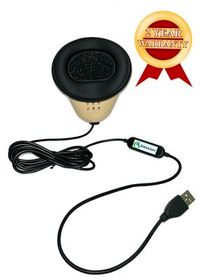
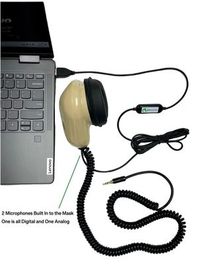
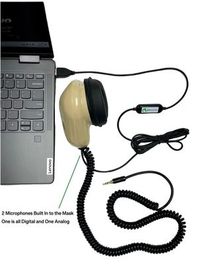
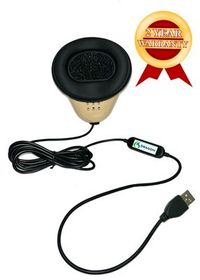
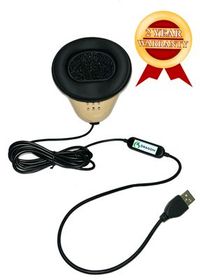
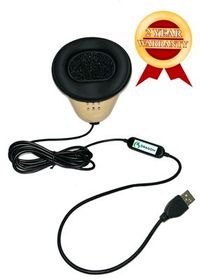
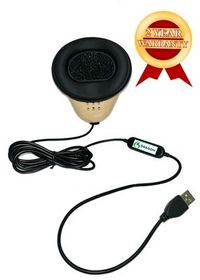
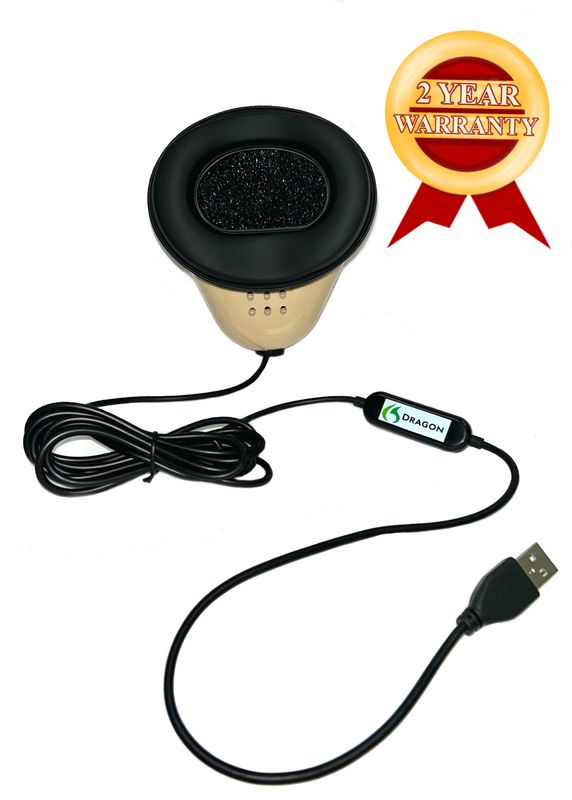
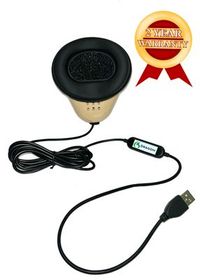
Use the same physical microphone throughout the first comparisons when possible. The Martel Dragon USB gives a direct computer microphone path. The Double Dragon 2 adds an independent 3.5 mm microphone output that can supply a compatible recorder while the USB path serves the computer. Both capture the reporter’s dictation. If you elect to record the working sample separately, play that recording back when a spoken cue and a printed form do not agree. Hearing what you actually said can quickly resolve a question that a list of spellings cannot. Martel Dragon USB · Martel Double Dragon 2 output options.
A Martel VOX Elite laptop setup appointment can make time for one word-list test as well as the physical mask check. Martel describes stenomask assistance and file-transfer help for its 32 GB and 64 GB VOX Elite options. Bring a short, suitable practice list and a sample job you can open. Start with the publisher-supported software and hardware for your chosen recognition option. For local Speechmatics in EclipseVox, Advantage Software specifies a Boost Box or a supported computer purchased from Advantage Software. Verify that arrangement when discussing the part the Martel laptop will play in your complete setup. Martel VOX Elite 32 GB · Martel VOX Elite 64 GB · Advantage Software local hardware requirements.
We handcraft our Dragon USB and Double Dragon 2 stenomasks in limited quantities. If a batch sells out, there may be a waiting list.
The exhibition, labels and speakers below are invented for practice. Each entry asks a different question about vocabulary. The lowercase spelling in a spoken example indicates ordinary spoken words on the page, not a claim that a microphone transmits upper- or lowercase letters. Say the examples naturally. Choose the written result according to the supplied practice key, save the unedited rough and compare it with that key. If your school uses a different style convention, record it before scoring so the expected result stays consistent throughout the exercise.
The fictional organization is Grey Reach Studio. Its printed name uses Grey with an e. The witness says, “The shipment came from Grey Reach Studio on Tuesday.” Dictate the sentence and check the whole name. Then try, “The gray cloth reached the studio on Tuesday.” The second sentence contains ordinary words that sound similar to parts of the name. Check whether you can produce both meanings with your chosen technique. Mark name spelling and ordinary-word behavior separately. If a first result uses Gray for the name, the recording may contain exactly the sound you intended, leaving a written-form question to address.
The witness is introduced as Nera Vale. The fictional spelling authority is a signed label supplied for the exercise. Use a full question asking who inspected the blue cloth. In the answer, dictate “Nera Vale inspected it,” followed by a later exchange in which the witness spells the first name N, E, R, A. Check the first appearance and the spelled confirmation separately. If the rough shows a more familiar first name, the letters in the follow-up can guide the correction. Include the surname on the worksheet because a perfect first name attached to another surname still gives the reader the wrong identity.
The fictional studio stands on Bale Row. The intended written form is two words with initial capitals. One answer reads, “I carried the wooden frame to the side door on Bale Row.” A different answer reads, “The bale rolled toward the side door.” Test both. Distinguish the street’s name from the verb describing movement. If you often need the street in just one series of jobs, note where your supported CAT workflow permits job-specific handling. Deciding scope from the actual recurring need can protect ordinary language in unrelated assignments.
The invented group is the Pattern Review Circle, and its exhibit label says PRC. Have the reader say the full name in one answer and the three individual letters in another. For this exercise, the key preserves the full name in the first and prints PRC in the second. Note how you dictated each and whether the rough reflects the distinction. If you normally use a shortcut to expand the name, test what happens when you must report someone speaking the letters literally. A useful setup leaves you a way to produce both results on purpose.
A fictional sample is identified as QC-17. The authorized training reference is the label attached to the sample. Read, “The tag on the wider cloth reads Q C seventeen.” Link that utterance to the intended written identifier. Now read, “I counted seventeen tags in that box.” The difference is the presence of letters and a specific identifier in the first sentence. Score the two letters, digits and hyphen separately if they matter under your chosen convention. A rough can correctly capture the number while still leaving an exhibit identifier that needs verification.
The fictional exhibit description uses the spelling four-ply. The witness says, “The written description calls it four-ply yarn.” Dictate the line and inspect the term. Next read, “Four people applied for the demonstration.” Do not treat a hyphen as a sound you expect the microphone to distinguish. Check whether the rough preserved the intended words and whether your practice style requires an edit to the written compound. Keeping the style requirement in the reference clarifies why two people could agree about what they heard yet choose different written presentations for a practice copy.
Imagine that a reporter assigned the spoken cue “loom room note” to a longer phrase in the previous Dragon setup. Its purpose in this fictional trial is to print “Exhibit identification follows.” In one test, the reporter deliberately uses the cue, following the supported procedure for the practice configuration. In another, the witness says, “I found a loom room note in the supply box.” Preserve those literal words in the second sentence. If both uses produce the expansion, record the collision and ask how the supported workflow can distinguish the intended action from ordinary testimony.
The sample export contains East Gallery Annex, a former name for the fictional exhibition space. The current training handout uses Lantern Hall. The witness first describes a box marked with the old name and then reads the sign at the new entrance. Enter both sentences in the practice set and mark which one uses the former name. An old name can be relevant when someone reads it from an exhibit. A current assignment may still give the new name higher priority during preparation. Deferring routine setup for the former name does not erase it from the preserved list.
The everyday phrase is “plain cloth.” The speaker says, “There was plain cloth under the striped piece.” Dictate it as ordinary testimony and check the sentence before making any vocabulary decisions. Later in the exercise say, “Please explain the cloth labels again.” The second sentence contains sounds that can resemble part of the first. If both baseline sentences already work, keep them as control samples. When a later adjustment changes one of them, you can revisit the particular new cue instead of wondering whether the ordinary words were ever usable.
The fictional designer signs E. A. Quill. One answer says, “The signature on the pattern reads E A Quill.” Another says, “I used a quill to make a note.” Decide in advance how the signed initials appear in the chosen practice style. Then check the initials, surname, spacing and ordinary noun independently. If the first output uses the right letters with a different spacing convention, describe that precisely. If the second answer turns the everyday noun into a surname, the paired test has found an unintended effect worth studying before wider vocabulary changes.
Suppose your first unedited rough captured both the old and current room names, printed the street correctly and preserved the ordinary phrase “plain cloth.” There is little reason to change those things immediately. Put them in a small group marked “confirmed once,” and verify them in fresh sentences the next day. A success in one context gives you a candidate for ordinary use. A second reading that changes the context gives you more useful evidence than an immediate repetition of words that are still fresh in your memory.
Suppose the fictional surname was audible on the mask recording but appeared as another first name in the rough. Return to the spelled exchange and the authorized reference. Use the appropriate publisher’s procedure if you decide to add or adjust vocabulary in a practice environment. Then test the full name in a different sentence and try a nearby ordinary phrase as well. Write down exactly what you changed. If the new result is useful, you know which supported action to keep. If it creates an unintended expansion, the original baseline remains available for comparison.
An exhibit identifier can require more than one kind of correction. In this exercise, an output of “QC seventeen” preserves the letters and number in written words while leaving the desired display style unresolved. An output of “GC-17” changes a letter. In the first case the hearing of the identifier and its presentation deserve separate notes. In the second you need to verify the letter against the recording and label. Grouping both outcomes under “did not recognize it” hides the precise information a CAT trainer or scopist could use.
After testing a familiar cue, read the surrounding paragraph as a witness might actually say it. An expansion can appear perfectly when dictated in isolation and still cause confusion in the middle of a literal description. Use the loom room note sentence from the exercise and then invent another literal occurrence with different surrounding words. If you need to reserve a cue for a particular operation, document how you will preserve literal testimony. The test earns its place in the worksheet by helping you protect both kinds of speech.
Use this original exchange after your first ten individual tests. Have a practice partner read the questions and answers at a comfortable, repeatable pace. Keep the reference out of sight while you repeat into your own mask. The purpose is to put old and new terms together without warning you which one comes next. Save a new rough before you edit. If you are testing an adjustment, preserve the first job as a baseline and make the second reading under the intended change. The script is fictional and the printed key follows the conventions established above.
Question. Who first showed you the striped sample? Answer. Nera Vale showed it to me near the entrance to Lantern Hall. She called it the wider sample because a second piece of similar cloth was folded beside it. I could see the mark QC-17 on the tag. I did not see a number on the smaller piece. I would need to unfold that piece and look at its own tag before I could identify it by number.
Question. What was written on the paper next to the tags? Answer. The first line said Pattern Review Circle. Farther down the paper, the same three words were represented by the letters PRC. The signature at the bottom appeared to read E. A. Quill. I know the word quill from the writing instrument, but on this page it was the last name attached to two initials. I copied the letters the way they appeared on that page.
Question. Did you see a second paper bearing the name of the exhibition space? Answer. Yes. There was an old delivery slip headed East Gallery Annex. The new paper used Lantern Hall. The shop itself appears on both papers as Grey Reach Studio. The word Grey in the printed name uses the letter e. I used the spelling shown on the paper when I wrote down the name in my own notes.
Question. Where did the delivery go after the exhibition? Answer. It went through the side door on Bale Row, according to the instruction sheet. I did not go to the address myself. The driver used the words “the bale rolled” when he described a separate incident at the entrance. I wrote that phrase on a different line so it would not look as though I had changed the spelling of the street.
Question. What did the final label say about the material? Answer. It called the wider material four-ply yarn. Under the folded sample I could see plain cloth. I asked the person beside me to explain the cloth labels again because the two descriptions appeared on different sheets. Inside the box I found a loom room note. Those were the words on the folded card. I did not see the words “Exhibit identification follows” on the card.
Read through the resulting rough once for the story and once for the decisions. In the first pass, find who showed the material, which location name is current and which number was visible. In the second, locate the expansion spoken in full, the individually spoken initials, the ordinary noun and the cited literal phrase. If an edit changes one of these relationships, record how. A correct-looking isolated term can still be attached to the wrong sample or attributed to the wrong speaker when the surrounding answer is lost.
Compare results in a way that preserves uncertainty. For example, you may have heard the witness correctly, repeated the phrase clearly and obtained the correct name with a different capitalization. Another item might be impossible to score because the reader changed a line while you were dictating. Mark the first as a presentation question and the second as a repeated test needed. Reserve a more general conclusion for patterns that recur across fresh material. A worksheet that admits a trial was inconclusive gives you a better next session than a forced right-or-wrong score on every entry.
Plan a small release of your own practice decisions. Copy the ten rows into a dated summary and give each an action in plain English. One may say that the existing workflow already prints the name correctly. Another may say that the spelling needs confirmation at the next authorized source. A third may say that a supported vocabulary change now handles a name while the ordinary sound-alike still works. A fourth may say that an old heading cue belongs in a command lesson. Those are different outcomes, and all four can represent progress.
If you work with a scopist or instructor, prepare a short handoff about what changed. Describe the expected result and one sentence demonstrating it. Include the neighboring ordinary sentence when a cue might collide with testimony. You need not hand over the full historic export to show how the change works. A small fictional test job, a verified expected spelling and a note about the intended scope generally explain the task more directly. Use the appropriate arrangements for any actual job-specific material that needs to be shared.
Update the reference after a choice proves useful in fresh material. Write the source of the expected spelling, the CAT setup under which you tested it and the last date you saw both the intended entry and its neighboring ordinary usage behave as expected. If you later change the installed release or alter another cue that sounds similar, you will know which old examples to revisit. Treat the sheet as a record of decisions you can demonstrate. A long collection of entries with no examples is harder to teach and harder to troubleshoot.
Consider an exercise in which the original ten entries produced three questions for a trainer. One concerned the expansion of the loom room cue, one concerned spacing around the initials, and one concerned getting both Bale Row and the bale rolled into separate answers. Take those three questions into the next session with their surrounding passages. Leave routine successes on the reference sheet. This gives the trainer a small set of concrete examples to hear and inspect, and leaves time for you to carry out each suggested operation yourself in the correct practice environment.
For the new ten, choose some terms because of how often you use them and some because of the consequence of an error. An organization mentioned throughout a hearing can create repeated editing work even when its spelling difference is small. An exhibit label mentioned once may deserve equal preparation because a wrong letter could point to a different item. Write the reason beside each selection. This helps an instructor understand why you included one short identifier along with nine longer names, and why their importance cannot be judged simply by word length or how many corrections appeared in a rough.
Choose one control sentence from the first set to carry into the next session. Read it in a new job among the unfamiliar entries and check that its ordinary meaning still comes through. If it changes, make a dated note of the new result and identify other changes to your setup since the last successful reading. This single repeated sentence supplies continuity between the sessions while the new terms keep the exercise challenging. It also gives you a practical way to revisit a problem months later without guessing which materials or vocabulary decisions you had in place.
At the end of the second list, give each term a practical destination. A verified recurring name might go into your next job preparation routine under your publisher’s instructions. A term with uncertain spelling belongs on a verification list. A former name might remain in the historical reference. An ordinary phrase that consistently works may need occasional retesting only when a related cue changes. These decisions leave you with an organized working vocabulary and an intact record of the Dragon entries from which you started.
Yes. The list can tell you which names and spoken habits you chose to preserve in Dragon. Use that knowledge to build reference sentences and evaluate the destination using its own supported procedures. Before looking for an import button, determine whether the new setup already produces an acceptable result and whether your publisher documents an import method for the exact format you have.
Ten is a manageable teaching set in this guide, rather than a product limit. Choose a mix that reflects your actual work, including one difficult name, one ordinary control and one cue you deliberately say differently from the printed text. A smaller varied set lets you listen to each recording and find a reason for every recorded action.
Include an important difficult name, but also include several entries you understand completely. An unfamiliar spelling with no trusted reference is a poor measure of recognition because you cannot confidently say what the right result should be. Known names and ordinary controls show how the complete workflow behaves while you gather the missing authority for more difficult entries.
For the exhibition exercise, use the printed key. For actual work, follow the relevant procedures for verifying names and identifiers. Record the source of a confirmed spelling in the working material as appropriate. A term that simply looks correct after several readings can become familiar without becoming verified. Keeping the source beside the row lets a later reviewer retrace the decision.
You may later need to see exactly what Dragon exported, including a formerly used spelling or properties preserved in XML. Editing the only copy to tidy a worksheet can erase that distinction. Save original and working versions under distinguishable names. Add test sentences and scores to the working version so they cannot be mistaken for properties exported by the software.
No. Nuance describes the custom export as a list of added words or phrases, with properties included in the XML option. It describes profile management separately. Preserve the profile using the documented process for your installation when you also need a Dragon recovery path. Use the word list for inspecting vocabulary and choosing test entries in the new reporting workflow.
It records what you actually intend to say to produce a particular written form. A cue can differ from the words a witness uttered or the text you expect on the page. Include the original utterance and your planned dictation in separate fields. If a result looks wrong, you can then compare it with the sound you actually supplied.
Choose the form you routinely use and test it first. Put alternatives on separate lines so you can identify which one produced a particular output. Consider whether each remains useful in current work. Two cues for one printed term may be sensible in different situations, but their value is easiest to assess when each has its own identifiable sample.
Consult the publisher of the recognition route available inside your CAT installation. Nuance documents the file as a Dragon custom vocabulary export. That does not establish that a particular CAT integration accepts it. The worksheet approach lets you make progress immediately by testing terms as speech and checking written results, while you obtain any product-specific import instructions.
Advantage Software’s workshop descriptions discuss VOCAB management, pronunciation choices and the relationship to Eclipse dictionaries. Use the publisher’s material for the operation you want to learn. Bring examples of the intended written form, what you say and the unedited outcome to the lesson. The examples help connect a particular question to a particular part of the supported workflow.
Give Stenograph your CATalyst VP release, the recognition choice you are using and one short fictional example. Ask which documented operation handles the desired result in that configuration. A question about a noun, a written abbreviation or a speaker-formatting command can call for a different answer. Naming the result helps you find the right procedure faster.
Mark it as a baseline success and test it again in a different sentence. Include a related everyday expression if you later adjust another cue with similar sounds. A word that behaves well without intervention can stay on the worksheet as a reference. You have saved yourself a configuration step and gained a way to detect unintended changes.
Use the name in a question, in an answer about an action and in a spelled confirmation. For Nera Vale, a partner can ask who saw the sample, then ask who signed the receipt. These are fresh contexts with the same target. Compare the full name on both occurrences and use the separately spelled evidence to verify the letters.
Prepare separate reference entries and full sentences that identify the individuals by role or action. Do not infer spelling from the apparent similarity alone. If the fictional witness says a name and then spells it, retain that follow-up in the practice job. Your scoring can then distinguish an ambiguity of sound from a failure to preserve explicitly spoken letters.
The pair exposes unintended effects. A workflow that produces Bale Row in the address exercise also needs a usable way to record the separate statement that the bale rolled. If an adjustment treats both as the street, test a more appropriate supported approach or scope for that entry. Both meanings deserve a place in the final working vocabulary.
First identify how the transcript should represent what that person actually said under your reporting practice. The fictional key distinguishes spoken letters PRC from the phrase Pattern Review Circle spoken in full. Give yourself a way to produce both forms and test each in context. A convenience for one sentence should preserve your ability to render the other accurately.
Note the authoritative letters and digits and the desired punctuation or spacing. On the first rough, mark whether the letters and number are right before evaluating their printed style. A change from Q to G requires different investigation from a missing hyphen. Read the label and listen to the sample as separate checks when scoring the entry.
Decide the intended written form using the practice key or applicable style guidance. Compare the words first and the hyphen separately. Speech can give you the compound and its meaning while leaving the exact visual convention up to the written reference. Keep the two observations distinct so a formatting change does not appear to improve microphone recognition.
Preserve the historic export and mark the name’s status in the worksheet. Test it if the current material contains older labels, signs or testimony referring back to the previous name. You may reasonably prioritize a current name during daily preparation while keeping the old one available as a reference for exhibits that use it.
Create one sentence intended to invoke the cue and another containing the same words spoken literally. Save the results under the same tested configuration. If both trigger the same expansion, ask the publisher or trainer about the supported way to distinguish those uses. Keep both test sentences when evaluating an alternative cue so that an apparent fix can be demonstrated.
Listen to your mask dictation when the question concerns what you actually fed to recognition. If your exercise also preserved a separate authorized source recording, use that to check what the reader originally said. Those two recordings can differ legitimately when you intentionally substitute a cue. Label the recordings so a reviewer can follow both parts of that decision.
A verified mask input supplies a consistent source of your dictation while you compare words. With the Dragon USB, check the direct computer microphone path. With the Double Dragon 2 you can also use the separate microphone output with a compatible recorder. Listen to an identifiable practice sentence before assuming that a spelling difference came from the vocabulary you were studying.
Play the relevant part of the mask audio without looking at the desired spelling. Can you hear the sound you intended clearly in the full sentence? If it is absent, repeat the dictation carefully in a new sample. If it is present and the rough consistently gives a different form, pursue the supported vocabulary or formatting procedure for that specific case.
A shuffled order reduces your ability to anticipate which entry is about to appear and lets you see how the terms hold up during connected speech. Give the partner a reliable reference and ask them to mark any variation they actually read. Then score against what was spoken. A changed source line should be recorded separately from a change in recognition.
Stop scoring that item until the intended form is established. Correct the reference under your normal procedure and preserve which version of the key you used for earlier tests. In the fictional exercise, the supplied spelling is part of the exercise definition. An actual job may require clarification before you can decide whether the original rough was right.
When you need to learn which change caused a different result, change one relevant item or clearly documented small group at a time. Keep the first rough, update the practice configuration using publisher guidance and try the target and its neighboring ordinary phrase again. If you make several changes together, report only what the resulting configuration did as a whole.
Identify the term, the expected spelling, a sentence demonstrating its context and the source of the spelling when appropriate. Explain which similar expression is literal testimony if that distinction matters. Use only material suitable for the person and task. A short indexed practice example can communicate the issue more clearly than a long vocabulary export without explanations.
Record the CAT edition, supported recognition option, microphone model and whether you need a separate recording of dictation. For a Martel VOX setup, bring a small permitted working list and a practice job so you can test familiar terms as well as the physical input. Confirm any publisher-specific local recognition hardware separately from the laptop package you select.
Count how many of your chosen entries meet their predefined written targets, then separately record meaningful word differences, formatting edits and unintended expansions in the ordinary controls. Compare like samples and record the effort you spent correcting them. A better result for a surname is valuable, but the full score also needs to show whether everyday wording still works.
Finish when each entry has a known source or an explicit question about its spelling, a recorded spoken form, a passage you tested and a decision about what happens next. Preserve the rough and any permitted audio that demonstrates a difficult point. You can now select the next set by actual reporting need while retaining the historic export for future reference.
Turn a Dragon custom-word export into a ten-entry Speechmatics practice test for names, identifiers and spoken cues in a court reporter’s CAT workflow.