



A Mock Court Hearing From Roll Call to Readback With Speechmatics
Run a complete fictional footbridge hearing with Martel stenomasks, two witnesses, exhibits, a recess, a disputed readback, and four separate scores.
Compare Dragon and Speechmatics on a mock deposition. Score names, negations, exhibit IDs, speaker changes, recognition and editing time separately.
To compare Dragon and Speechmatics for court reporting, take one fictional deposition through both supported setups and keep the reference, your actual dictation, each unedited rough and the time spent reviewing it. Use the same personal mask where possible. Compare words against a checked reference and assess names, negations, speaker attribution and formatting separately. A single exercise can tell you which steps need practice in your own workflow and how two saved roughs differed on a known passage. It gives you evidence about that session rather than a performance ranking for all reporters.
Choose the question before you decide how to run the test. If you want to know how quickly you can deliver a checked practice copy from each complete workflow, let each workflow operate as it would on your desk and record those choices. If you want to isolate how two engines recognize identical speech, they must receive the same appropriate audio through officially supported paths and be scored against the words actually in that audio. Two live readings by one reporter can make a good workflow exercise. They supply two different performances, even when the reporter follows exactly the same script.
The distinction affects what you call a difference. A witness says, “The west bell did not ring.” If you repeat “The east bell did not ring,” a rough that reads east has preserved your own utterance and changed the source testimony. Mark a reporting difference against the witness and a match against your mask recording. Conversely, you might say west clearly into the mask and see east in the rough. Mark what the saved evidence shows. Keeping the two comparisons lets you practice listening and repetition without assigning their outcomes to a recognition engine.
Prepare three separate kinds of notes. The first describes the setup and the choices you made before either reading. The second describes what each recording and unedited rough actually contain. The third describes the work required to produce a checked copy. You may find that two roughs need a similar number of word corrections and different amounts of work to verify a spelled witness name. You may also find that the greatest improvement between your first and second session was simply learning to return to the right line after a speaker change. Both are valuable observations for a working reporter.
Advantage Software lists Speechmatics as an alternative recognition option in EclipseVox and publishes release-specific local and cloud options. For local Speechmatics it specifies a Boost Box or a supported computer purchased from Advantage Software. Its public transition workshop describes working with existing Dragon habits while learning the Speechmatics workflow, including checking the audio path and vocabulary choices. Identify which supported arrangement you are using for each pass. If the hardware or release differs between passes, write that down beside the results in plain language. Advantage Software’s version and equipment table · Advantage Software’s transition workshop.
Stenograph describes on-device Speechmatics integration in CATalyst VP. Its getting-started documentation also describes working with Dragon in CATalyst VP. Ask Stenograph which instructions and recognition access apply to your installed version before running either pass. An older Dragon practice routine might be familiar and still require a new setup step for the other recognition choice. In your notes, use the product names and versions you confirmed. Do not label a reading a CATalyst VP Speechmatics test merely because the microphone worked elsewhere on the computer. Stenograph integration announcement · Stenograph Dragon workflow.
Nuance documents DragonPad as an editor for working with Dragon dictation. A sentence dictated in DragonPad can help establish a reference point for a Dragon session. If you compare DragonPad output with a CAT practice job, call the results by those names. You changed both the recognition arrangement and the receiving application. For the main mock deposition, prefer the publisher-supported CAT workflow on each side when the question is how you will report and review work. Keep any additional DragonPad check as a separately labeled observation. Nuance DragonPad documentation.
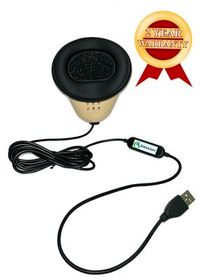
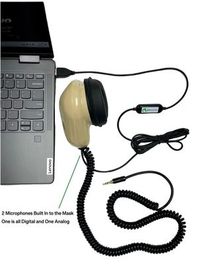
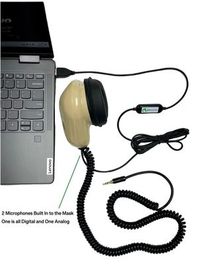
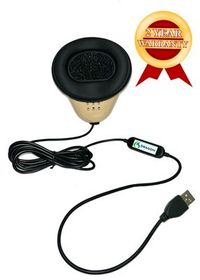
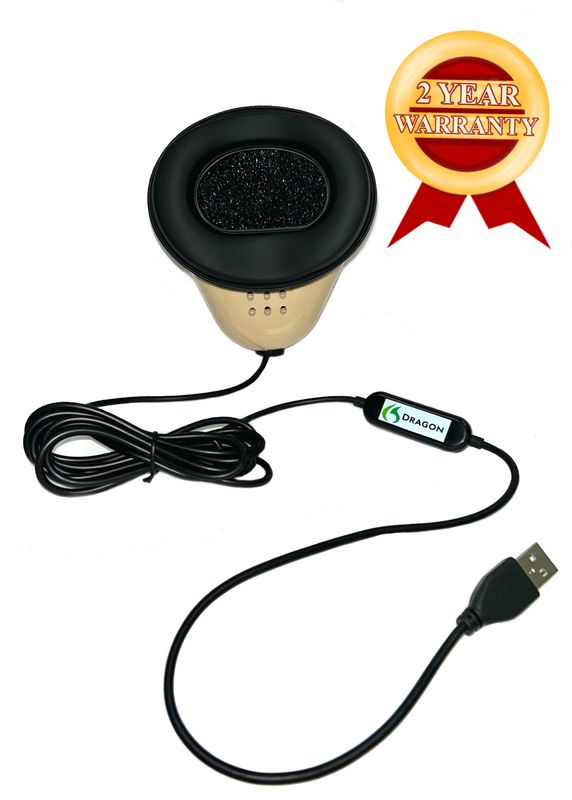
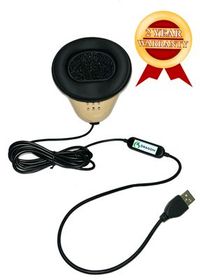
The Martel Dragon USB Stenomask provides a direct microphone path to the computer. The Double Dragon 2 has a USB computer path and a separate microphone with a 3.5 mm output for a compatible recorder. An independent saved recording of your dictation can be helpful when deciding whether a disputed sound was present. If you use it, confirm the recorder input, start the file, and replay part of the saved result. Which mask you select should reflect the recording paths you need. Use your own mask throughout a comparison intended to represent your own reporting work. Martel Dragon USB connection · Double Dragon 2 independent outputs.
Use the same recording arrangement and reporting position for both live passes when you can. Keep the source reader in the same place or use the same prepared source recording. Leave the input label, seating and microphone placement documented. If you reconnect to a different computer, repeat the short microphone identity check on that machine. This is especially important when both computers show a similar generic USB label. A consistently named input is helpful, but the best evidence that it heard you is a separately identifiable sentence you can play back.
A Martel VOX Elite laptop can be part of the setup you evaluate. The 32 GB and 64 GB product listings describe court reporter preparation, stenomask assistance and file-transfer help. Bring a sample job, the publisher’s requirements for your actual configuration and a description of the applications you use while reporting. If a new laptop is introduced between the two passes, include that change in the setup notes. Then the results will help you evaluate the assembled systems you tested, without assigning every difference to the recognition engine. Martel VOX Elite 32 GB · Martel VOX Elite 64 GB.
We handcraft our Dragon USB and Double Dragon 2 stenomasks in limited quantities. If a batch sells out, there may be a waiting list.
Identify one person to check the spoken reference. With a live partner, have that partner mark any place where they depart from the printed exercise. If permitted and useful, make a source recording of the fictional reading and check those places by ear afterward. With a prerecorded script, verify that the recording contains the expected words and turns before using it as the reference. A printed page is an excellent plan for a reading. The spoken reference is what the reader actually said. They can differ by a small word, a restarted phrase or a corrected number.
Define the material that belongs in the word count. You might include the questions and answers as spoken, remove printed role headings from the count, and score speaker attribution on a separate sheet. Decide what to do with explicit spelling, abbreviations and numbers. The goal is to apply the same policy to both roughs. For this exercise, treating the numeral 12 and the spoken word twelve as equivalent for a word comparison is reasonable if stated in advance. Preserve a separate item for whether the exhibit is printed according to your chosen transcript convention.
Speechmatics describes word error rate as a comparison between a human reference and recognition output. It uses the minimum number of word insertions, deletions and substitutions relative to the number of words in the reference. It also discusses normalization of differences in presentation before scoring and the need for representative, sufficiently large test data when benchmarking. A short fictional deposition is suited to learning this method and making personal workflow observations. It cannot settle broader claims about the accuracy of a product across voices, environments or case types. Speechmatics accuracy benchmarking method.
Choose what you mean by an insertion, deletion and substitution through a short marked example. If the rough contains a word the reference lacks, treat the extra word as an insertion. If a reference word is absent from the rough, count a deletion. If a wrong word occupies the place of the intended word, count a substitution. Align the phrases carefully and find the minimum edits needed to make the word sequences agree. Read beyond the first difference before counting. A single missing word can temporarily shift every following word on the line and make a rough appear much less accurate than it is.
Prepare a second scoring area for meaningful distinctions. Include the witness’s surname, the direction east or west, the important negation, the printed exhibit identifier and which person corrected the time. Give each its own check. A missing not and a missing the each count as one deleted word in a word error calculation. Their effect on an answer can be very different. A wrong speaker can leave every spoken word in sequence and still misrepresent who supplied the answer. That is why your reporting review needs several kinds of evidence.
Choose the timing boundaries as well. For a live dictation interval, you might start when the reader begins the first marked question and stop after you finish dictating the final marked answer. For review time, start when the unedited rough is available and you begin checking it, then stop when the predefined checks are complete. Separately note a pause to look for a missing file or answer a phone call. If setup and reconnection time matter to your buying decision, measure those as their own intervals. A single total can conceal exactly which part you would like to improve.
All names, events and exhibits in this exercise are fictional. A volunteer is describing a public rehearsal near an old clock tower at a place named Mercer Walk. Another volunteer appears late in the exchange, so preserve who is speaking. A partner may read each role or several people may read from their own copies. The printed role names identify turns for the exercise. Follow your normal supported CAT practice for speaker identification. The script includes an explicit correction, two nearby numbers and a distinction between seeing a signal and hearing a bell.
Examiner. Please tell us your name and where you stood when the rehearsal began. Witness. My name is Leda Perrin. I stood at the foot of the short stone steps on Mercer Walk. The clock tower was across the square from me. I could see both round windows in the tower. From where I stood, I could see the lower edge of the east bell through the open window, but I could not see the west bell.
Examiner. Could you hear a bell from that position? Witness. I heard a single bell after someone lifted a white card near the tower door. I cannot identify the bell from its sound alone. Earlier that morning I had watched the east bell during a separate equipment check. I was looking at the white card during the rehearsal. I want to keep those two events separate because my position was different for each one.
Examiner. Is the name on your volunteer badge Leda Perrin? Witness. Yes. The first name is L, E, D, A. The surname is P, E, R, R, I, N. There are two letters R together in the surname. Someone once printed it with one, and I asked for a replacement badge. The badge I wore on Mercer Walk had the corrected spelling.
Examiner. What time did you write down when the white card was lifted? Witness. I initially wrote eight fourteen. Looking at my own notebook now, I see that I crossed out fourteen and wrote forty. The time I recorded after checking the wall clock was eight forty. I made the correction in the notebook before I went home. The wall clock had a long minute hand and a short hour hand. I did not check it against a phone.
Examiner. Did you write that the west bell rang twice at eight forty? Witness. I did not hear the west bell ring that morning. I wrote that I heard a bell once after the white card went up. My note identifies the position where I stood and the color of the card. It does not identify which bell made the sound. I remember someone mentioning the west bell while we were packing up.
Examiner. Please look at the sketch marked Exhibit Twelve B. Is it the page you drew? Witness. This page shows the tower door and the two steps beside it. I drew a longer flight of steps across the square, where I was standing. Those steps are on the second page, marked Exhibit Twelve D. The two sheets show different views of the same square. I can identify my initials under the second view.
Coordinator. May I clarify who held the card? Examiner. Please give your name first. Coordinator. My name is Ellis Varn. I held the white card at the tower door during the morning rehearsal. I also held a blue card later, after lunch, when the musicians were coming back. My instructions for the white card concerned the rehearsal start. The blue one indicated where the returning players should stand.
Examiner. Ms. Perrin, which of those cards appears on your sketch? Witness. The card I drew is a small white rectangle near the doorway. I marked a dark border around it so it could be seen on the page. The border is my pencil mark. I did not observe a dark border on the actual card. I was home before the afternoon group returned, so I did not see the blue card in use.
Examiner. How far away was the person who spoke to you about the sound? Witness. Near enough that we could both look at the same notebook without passing it back and forth. I could not give a distance in feet. I remember we were standing on opposite sides of the narrow rail beside the steps. The person asked whether I could say which bell rang. I answered that I could say when I heard it and what I saw when the card went up.
Examiner. Did the coordinator tell you the west bell had been tested? Witness. I remember a conversation about a test. I do not remember who used the word west. The coordinator and I talked about the white card, but I cannot place the conversation about the equipment check before or after that exchange. I did not put that conversation in my notebook when I corrected the time.
Coordinator. I have my own set of instructions if that helps. Examiner. What color card do your morning instructions mention? Coordinator. They mention white. I wrote blue in the margin when I received instructions for the afternoon. Those handwritten words describe what happened later. The typed line for the morning still says white. My copy of the instructions is a different document from Ms. Perrin’s notebook.
Examiner. Ms. Perrin, is there anything else about the second sketch you can identify from your own observation? Witness. I can identify the position of the rail, the stone steps and the tower door across the square. I can identify the place where I saw the white card. The sketch gives no information about which bell rang. I drew what I could see. The note about the sound remained on the facing page of my notebook.
After the final line, pause long enough to identify the end of the exercise and finish the recording according to your practice workflow. Save the unedited rough under a name that identifies the pass. Keep the checked source reference and your dictation audio where you can consult them. Then make an editing copy and do your normal verification. If you realize during review that the reader actually said facing sheet instead of facing page, correct the spoken reference for that pass and note the change. This keeps an actual departure from the script from distorting the comparison.
The reference sentence is “I did not hear the west bell ring that morning.” It contains ten words under ordinary word boundaries. For a calculation example only, imagine the rough reads “I did hear the east bell ring twice that morning.” The rough omits not, replaces west with east, and adds twice. The other eight reference words match in sequence. There are three word edits over ten reference words, so the word error rate for this invented excerpt is thirty percent. This figure is a worked arithmetic example and describes neither Dragon nor Speechmatics performance.
Notice that the imagined rough also has ten words. Equal word counts for rough and reference do not establish that the two contain the same sequence. A missing word and an extra word cancel each other only in a simple length comparison. A word error calculation still counts them separately. Likewise, the presence of eight matching reference words out of ten is a different observation from the three edits required for full agreement. Use explicit labels for these measures so two reviewers do not appear to disagree when they are answering different questions.
Now move to the time correction. The witness first says eight fourteen and then explains crossing out fourteen and writing forty. The final recorded time given by the witness is eight forty. A rough containing both numbers can still misstate the account by reversing their order. Mark the spoken words and sequence, note whether the correction survives, and preserve who made it. If your word normalization treats 8:14 and eight fourteen as equivalents, apply that rule to both slots. Normalization of written presentation should leave the distinction between fourteen and forty intact.
For the two sketches, check the letters and which view belongs to which exhibit. Twelve B shows the tower door and the nearby steps. Twelve D includes the longer flight across the square and the witness’s initials under the view. A reader needs both the identifiers and their relationship to the witness’s description. Score the letters separately from your choice of a space or hyphen if the written convention requires one. If the rough changes D to B, examine the spoken audio and the printed target before recording how you corrected it.
Finally check the coordinator’s turns. Ellis Varn identified the card held at the door and later described the printed instructions with a handwritten note about blue. Leda Perrin described her own notebook and the sketch. The two people refer to different documents. If their lines have been combined under one speaker, the word sequence may still look excellent. Mark the attribution difference and time the work required to correct it. A reporter deciding where practice will pay off needs to see this burden even when a word-level score does not show it.
Make the correction procedure reproducible. Before reading either rough, write down which checks every version will receive. Your list could include validating names against the spelled exchange, confirming the time correction, identifying both exhibit letters, checking speaker turns and listening to the negation about the west bell. Then read all the remaining words under the same practice standard. Start timing when you begin the defined review and stop when it is completed. If a later reading gets only a quick skim because you already know the script by heart, label that difference.
Consider a separate timing example with invented numbers. A reporter completes a 180-word reading in 90 seconds. Ninety seconds is one and a half minutes, so the delivery pace is 120 words per minute. Another reading of the same length takes 80 seconds, or one and one-third minutes, for 135 words per minute. The two readings differ in delivery pace as well as in the resulting roughs. Recording that difference prevents anyone from casually assuming the engines received equivalent input simply because the reference scripts contained the same number of words.
Suppose a review of the first example takes 110 seconds and review of the second takes 85 seconds. The combined dictation and review intervals are 200 seconds for the first example and 165 seconds for the second. These totals answer what the two timed tasks cost on those particular attempts. They do not account for work outside the chosen interval. If the second review was easier because the reviewer had just checked all the names and exhibits in the first rough, say so. The figures still have value when their limitations travel with them.
Try reversing the order on a second practice day. If you used the Dragon workflow first on day one, start with the supported Speechmatics workflow on day two. Use the same scored features in new material or a fresh companion passage. Reversal gives each workflow a turn as the first activity of a session, when you may be warming up, and a turn after a practice reading. It cannot remove every difference between days or make a tiny exercise representative of all reporting. It can reveal whether the strongest effect was simply doing the work second.
If another person can check the roughs, give the two editing copies neutral labels and ask the reviewer to follow the same scoring rules for both. Keep the setup details available separately so you can reconnect results with their source. A reviewer who knows which workflow you are learning may look harder for particular kinds of differences. Neutral labels and a shared reference can reduce that influence. A second person can also identify a line you silently completed from memory while your eyes passed over a missing word.
This short fictional follow-up introduces fresh details about the same square. It lets you practice a late correction, two scheduled events and another turn by Ellis Varn without repeating the morning answers word for word. Preserve the identity of the person giving each time. Use a new practice job for each pass. If you decide to switch the order of the two workflows, record that choice before reading. Score only what is actually said in this passage and keep the older results as a separate entry.
Examiner. Mr. Varn, when did you collect the white card from the tower office? Coordinator. I collected it at seven fifty. I know that because the office had just opened and I wrote the collection time next to the word white. I returned it to the same counter at nine fifteen. I did not collect the blue card until the musicians came back. The blue card was shorter and had a square cut in one corner. The white card had no cut corner.
Examiner. Ms. Perrin, did you see either card before the rehearsal? Witness. I saw a card lying face down on the office counter. I could not tell its color from where I stood. Later I saw the white face of a card when the coordinator held it up at the door. I cannot say it was the same piece of card that had been lying on the counter.
Examiner. What numbers appear underneath the sketch of the steps? Witness. The first number is sixteen. The next mark is a dash. The number after the dash is sixty. I did not write either number at the time I drew the steps. They were already printed on that sheet. My initials appear on a separate line below them. I said sixty first in an earlier reading, but looking at the page now I see sixteen first and sixty second.
Examiner. Mr. Varn, can you identify the numbers on that sheet? Coordinator. I recognize the pair of numbers as a stock marking we used on sketch paper. They appear on an unused sheet I brought today. I cannot say who selected the particular sheet on which Ms. Perrin drew the steps. In my own instructions there are times and colors, but there is no drawing of the tower.
Score the order sixteen and sixty before considering how to display the dash. Note whether the witness described the numbers as preprinted and whether the coordinator independently identified a stock marking. Then return to the line about seven fifty and nine fifteen. The coordinator supplied those times for collecting and returning an object. The morning witness supplied eight forty for a different event. A reader should be able to recover all of those relationships from the appropriate rough without borrowing information from the other day’s practice file.
Write a short interpretation beside the numbers. For a difference you can hear in your own dictation, explain which spoken detail changed. For a difference between mask audio and rough, identify the exact word or event you verified. For a formatting difference, describe the expected convention and the correction time. For an unsettled reference, mark the item as awaiting another reading. Each of those categories suggests a different next action. Combining them into a brand rating would hide the distinctions the exercise was designed to uncover.
End your comparison with an action tied to a single finding. A student might practice speaker changes because all the words were audible yet two turns in the rough remained under the witness. A working reporter might ask the CAT publisher how to handle a specific written form, bringing the printed exhibit letters and the short mask sample. A buyer might decide that an independent recording of dictation matters because it resolved uncertainty while checking the sample. The useful output is a decision about your workflow that another person could follow from the evidence.
One revealing exercise is to compare two deliberately invented roughs with the same word error count. Imagine one version drops the article the before the tower door and another drops not from the witness’s answer identifying the bell. If everything else were equal, both examples would add one deletion to a word-level tally. Yet the second changes the substance of the answer. Ask a practice partner which result needs priority during readback preparation and have them identify the surrounding words. This gives a concrete purpose to the meaning checks you recorded separately from the arithmetic.
For a second example, imagine that two roughs preserve the spoken exchanges word for word but the coordinator’s last answer appears under Ms. Perrin in one of them. Under the stated convention for this exercise, the word error totals for the two could match perfectly. The speaker review would reach two different conclusions. Have the reviewer identify which source, the coordinator’s instruction sheet or the witness’s notebook, supports the statement about blue written in the margin. Correctly locating the statement in the right exchange demonstrates the kind of practical accuracy a court reporter must examine.
When you return to the results several weeks later, use a sentence rather than a score as the starting point. Find the precise answer that led to your earlier decision and reproduce it using the present configuration. Then try a new answer with the same type of challenge, such as a different compass direction or a different witness correcting an earlier number. Maintaining the earlier example shows continuity. Handling the unfamiliar one gives you evidence that the learning extended beyond the original mock deposition. Record what you observed in each just as carefully as you recorded the first two passes.
For a tightly controlled recognition comparison, both would need to receive suitable identical audio through genuinely supported routes. Confirm that the specific products and installations support the intended method. If you instead carry out two separate live readings, document each as its own performance and compare the complete reporting workflows. Both approaches can provide insight when the question is defined clearly.
Run them at different times using the supported software arrangement for each. Keep your personal mask, source material, seating and scoring rules as consistent as practical. Save each rough and recording separately before switching the setup. Note the time, order and any changed configuration so a future reviewer can tell what each pass actually involved.
Use the waiting period to prepare the fictional reference, test the mask input and document the Dragon workflow you can already run. Ask the CAT publisher about access and supported equipment for your installed release. Leave the Speechmatics result open until you can perform it. A preparation exercise is valuable without standing in for an unperformed comparison.
It can be a useful saved example of dictation into DragonPad. Nuance documents that application for working with Dragon. If the actual question involves speaker attribution, CAT formatting or review of a complete CAT rough, run an appropriate practice job for those parts. Clearly identify which output came from DragonPad and which came from the CAT workflow.
A person who can listen carefully to the actual practice audio should check the reference against it. A partner can mark changes made while reading the printed script, then verify those locations using the recording if available. For a comparison against your mask dictation, use the words you truly spoke. A second person can be especially helpful where you expected a particular answer.
Listen to the surrounding phrase and check the available reference material. If the sound is still ambiguous, mark that specific item as unresolved and agree on how you will treat it in both scores. Do not silently choose the interpretation that favors the first rough you read. A new fictional reading can supply an unambiguous trial for that particular distinction.
Small changes in how you hold a mask or turn toward a partner can alter the sound available for comparison. Describe the chair, mask position, cable route and reader location briefly enough that you can repeat them. The goal is ordinary working speech in a recognizable setup. A configuration so elaborate that you would never use it for class may answer the wrong question.
Its separate microphone and 3.5 mm output can feed a compatible recorder while USB supplies the computer. If that recorder produces a saved file, it can provide another place to hear the words you dictated. Test and label it independently. It records your mask voice, so a separate source recording is needed if you also want to compare the original room speakers.
Save it before making editorial changes. Create an identifiable working copy for checking and corrections. If you compare only two polished final versions, you lose evidence of which words or speaker labels needed work and how the differences first appeared. A preserved first rough lets you revisit an uncertainty after listening to the practice audio or consulting the printed exhibit.
Count a replacement of an intended reference word with another word in the aligned output. In the worked example, east in the place of west is a substitution. Look at the whole sequence before assigning it. The words surrounding a missing item can shift position on the screen while still matching in order once the two sequences are aligned.
Count a reference word omitted from the output. In the ten-word sample, not is deleted. Mark its position in the spoken context and check the mask recording to see whether you actually said it. The same missing word can be a reporting omission against the source speaker and an accurate transcription of your mask audio if you left it out yourself.
Count an extra output word that has no counterpart in the checked reference under your agreed rules. Twice is the insertion in the imagined west-bell example. Listen to the audio before deciding it truly was extra. A word added by a live reader compared with the printed script belongs in the spoken reference if it was actually uttered.
Yes. The denominator is the number of reference words, while the numerator includes extra output words as well as deletions and substitutions. Enough insertions can make the numerator larger than the reference count. This mathematical possibility is another reason to show the underlying counts and an example of the alignment instead of using a single number as a description of transcript quality.
It measures differences in word sequences according to the reference and scoring method you select. In this practice design the role headings are removed from word scoring and checked separately. If the coordinator’s accurate words appear under the witness, mark an attribution error even if every spoken word in that section matches. Both observations belong in a reporter’s review.
State your rule in advance. You might ignore case and ordinary sentence punctuation for word recognition while scoring the required written style in a separate review. Keep details such as the presence of an exhibit letter or a meaningful number distinction visible. Normalizing presentation is useful only when it preserves what the practice question is intended to test.
Use your agreed word-comparison convention and also verify the reported event. If 8:40 and eight forty are equivalent under that convention, they can agree at the word-comparison level. An answer that assigns the time to the wrong activity still needs attention. Check that the witness corrected an earlier entry and that the two values remain in their original order.
Give each important name an explicit check against the spelled exchange or appropriate reference. In the fictional deposition the surname Perrin has two letters R together. A rough can look persuasive with only one. Mark the visible spelling, the spoken spelling and what you changed during review. This keeps the significance of a single name visible beside the overall score.
Twelve B and Twelve D make a compact test of identification in context. Find not only the rendered exhibit letters but which view the witness recognized and where the initials appeared. If the letters look right in an isolated list and their descriptions are attached to the wrong sheet, the practice review has found a meaningful issue the list missed.
Use the supported procedure you would actually employ and describe it in the setup notes. For a whole-workflow comparison, it matters whether you can identify the turn and obtain the intended result. If you additionally want an engine-only word comparison, separate those commands and formatting tasks from the words included in the reference under your scoring rules.
Define when the dictation interval ends, when review begins and which checks must be finished before you stop timing. Save both elapsed intervals. Record any intentional breaks in a consistent way. When two sessions differ in length, you can then see whether the difference arose during live reporting, vocabulary verification, speaker correction or a separate interruption.
It gives each workflow a chance to run first and second, which can reveal an order effect. It cannot make a reporter forget a passage already studied. Add fresh material with similar scoring features and record which passages each person had seen. Use the resulting observations to plan more varied practice before making conclusions that extend beyond the test.
Consider both the reading pace and the correction effort. A pass that ends earlier may require longer verification of names, numbers or turns. Another may reach a usable checked copy sooner even if the reading itself takes slightly longer. Compare the actual work intervals under the same review standard. Decide whether the difference matters for your own class or work.
Decide whether the trial concerns an initial configuration or each workflow after your ordinary preparation. Record what was set up before either pass. If you make a change in response to the first results, preserve that first rough and run a separately labeled follow-up. Then your notes can distinguish initial behavior from results achieved after a supported vocabulary adjustment.
It preserves the difference between a verified result and a plausible explanation. You may be certain the rough shows east while remaining uncertain whether the mask audio clearly says west. Record the printed result, the listening result and a repeatable next test. An uncertain item does not invalidate the rest of the comparison, provided you label it consistently.
Record both complete configurations and test the one you actually intend to use. If you need to isolate a particular difference, repeat a short passage while changing only that condition when feasible. A comparison between an office computer with one recognition route and a school computer with another remains a comparison of those complete setups, which may be exactly what you need.
Bring the confirmed CAT and recognition requirements, your mask connections, the practice jobs you plan to transfer and the recordings you intend to save. Ask to identify the microphone input and open a known sample on the prepared laptop. Those observations form a concrete starting point for discussing which VOX Elite package suits the work you described.
Yes. The instructor can mark whether the first rough preserved the bell identification, time correction, exhibit distinction, witness spelling and coordinator’s turns. They can also ask you to demonstrate the corresponding playback and readback. A descriptive finding such as consistently preserving corrected numbers while needing practice with speaker changes can guide the next lesson directly.
Give the product, release, supported recognition choice and a small fictional passage that reproduces the observation. Include what you spoke, what appeared and the specific difference you verified on playback. Describe the method used to test and which part you want help understanding. A repeatable example gives support more to work with than a general claim that one workflow is faster.
Speechmatics’ benchmarking guidance calls for a sufficiently large, representative dataset when comparing engines. One reporter’s mock deposition can describe that reporter’s own results on that material. The mix of vocabulary, voices, audio conditions and work types matters to any broader conclusion. State the scope of the evidence you actually collected and reserve other questions for a suitably designed evaluation.
Identify the two setups and their inputs, the reference used, the order of the readings, the word counts and meaningful differences, and the measured editing effort. Name one next action justified by a specific example. A colleague reading the note should be able to find the source sentence, hear the dictation and see the unedited line that led you to that decision.