



A Mock Court Hearing From Roll Call to Readback With Speechmatics
Run a complete fictional footbridge hearing with Martel stenomasks, two witnesses, exhibits, a recess, a disputed readback, and four separate scores.
Time the same stenomask passage in DragonPad and CATalyst VP, check readback readiness, and add a supported Speechmatics run using a separate worksheet.
“When does the last word arrive?” is a question you can answer at your own desk. Choose a sentence whose last word matters, say it into your personal stenomask, and have a partner watch for that word on the screen. Suppose the sentence is “The label on the larger crate reads amber.” Text can start appearing while you are still speaking. The interesting moment for this particular question is when your partner can actually read amber. A clock reading for the first visible letter anywhere in the paragraph would answer a different question.
A court reporter who already uses Dragon Professional can carry out this exercise in DragonPad and then repeat it in a practice CATalyst VP job that uses Dragon. The reporter gets two observations of a familiar voice and microphone doing similar work in different windows. Someone considering Speechmatics can keep those observations and later add a separate test in a publisher-confirmed Speechmatics configuration. Each run earns its own line in the notebook. This keeps a useful observation made today from becoming a claim about a product the reporter has yet to try.
Think about what prompted the comparison. Perhaps you feel comfortable reading a narrative into DragonPad but find yourself looking over at the CAT screen during questions and answers. Pick a visible event associated with that glance. Were you waiting for the last word of an answer, the next speaker label, or sufficiently complete text to start reading back? Write the question in your own words. You can investigate all three over several practice jobs. Choosing one for the first run makes it possible for two people to measure the same thing.
The examples below describe an imaginary exhibit-preparation exercise involving shipping crates for a museum display. They give you words you can dictate, expected answers, sample arithmetic and choices a reporter might make. All times in worked examples are invented for instruction. You can use the method with the equipment on your desk, any pace at which you ordinarily dictate, and a second person who can identify a spoken cue and a visible word. Preserve what you actually see, including runs for which a particular event cannot be timed.
Nuance’s Dragon Professional 16 instructions describe opening DragonPad with a spoken command or from the DragonBar Tools menu. Use the instructions for the Dragon installation you already operate. In DragonPad, open a fresh document, put the insertion point where you intend the practice text to go and speak one ordinary line. Look for that specific line in the document. This introductory check verifies your destination, makes the observer familiar with the screen and avoids accidentally counting the time you spent opening a document as part of dictation timing. Nuance instructions for DragonPad.
Stenograph’s getting-started guide describes a Dragon-based voice translation setup in CATalyst VP. It explains how Dragon’s vocabulary and the reporter’s Personal VoiceCommands dictionary serve the workflow. A spoken word that becomes part of the answer and a voice command that formats a question can therefore give you different things to observe. Use a practice job prepared under your usual supported setup. Make the first matched passage ordinary spoken text. Reserve the question and answer formatting you use every day for a second, separately named part of the exercise. Stenograph’s CATalyst VP guide for Dragon users.
Stenograph also describes an on-device Speechmatics integration for CATalyst VP. A reporter who has that configuration available can use the same reference passage in a third practice job and identify the installed release and recognition choice alongside the result. Consult Stenograph for access and setup details for your installation. A DragonPad timing represents what you observed using Dragon in DragonPad. A CATalyst VP timing represents the particular application and recognition configuration you recorded. Labeling the job this carefully matters the first time somebody asks you what the numbers actually describe. Stenograph’s Speechmatics integration announcement.
Give the session a short name that will still mean something next month. “Museum delivery, plain narrative, morning practice” says more than “test two.” Add a date and a description of where you will find each document. Mark the word-processing sample with the program name and the CAT sample with the practice job name. If you also keep audio, write down whether it contains your dictation or the words of the person reading the source. This is especially helpful if a partner will listen later without having watched you perform the exercise.
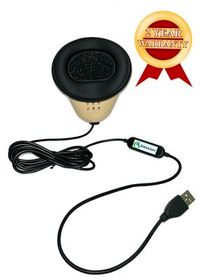
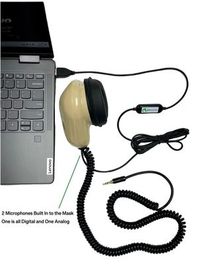
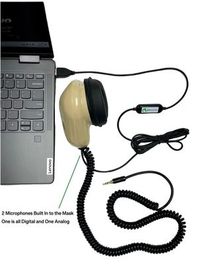
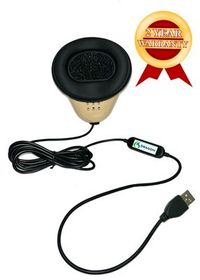
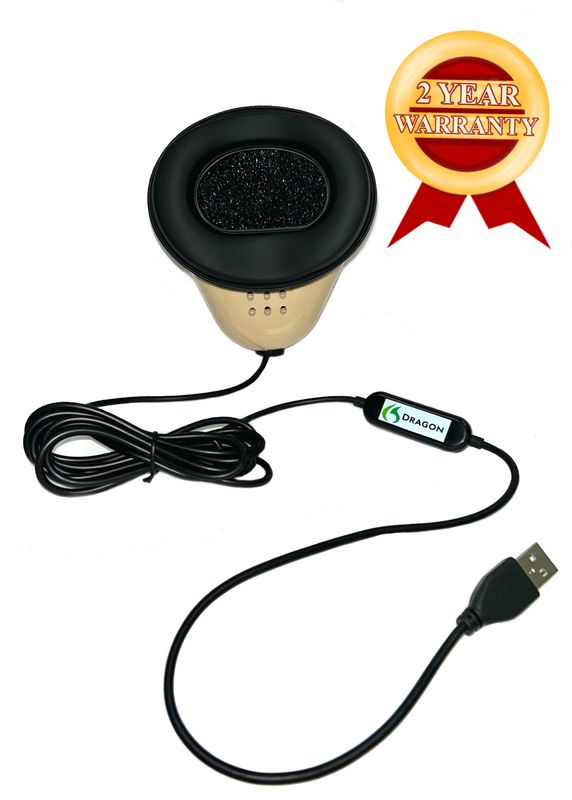
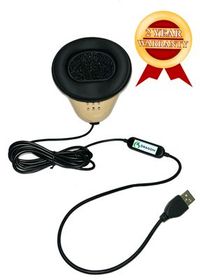
Martel’s Dragon USB Stenomask provides a USB microphone path to the computer. The Double Dragon 2 provides a USB connection and a separate 3.5 mm microphone output that can feed a compatible recorder. Both mask paths on the Double Dragon capture the reporter speaking into the mask. These choices support different practice arrangements. A reporter using the single Dragon USB can compare the two writing destinations using the same selected computer input. A reporter using a Double Dragon can also preserve a separately recorded version of what reached that second microphone. Martel’s stenomask connection comparison.
Write down the input name displayed on the computer and make a short spoken identification before timing. “Museum practice, blue crate” will be easy to distinguish from yesterday’s test. Use your own mask, get comfortable, and check that your ordinary speaking voice can be understood in the recording you intend to use. If your computer offers several similarly named inputs, a short identifiable recording provides more information than a moving level indicator. A microphone elsewhere in the room can respond to a voice without being the mask you intended to select.
If you use a separate recorder, let it run while you say the reference sentence. Stop and save a sample and play it back before starting the measured runs. Write down the name the recorder gave the file. That file is useful for determining what you spoke when a line looks unusual. A recorder with its own clock and a separate computer recording of the screen have different time references by default. To measure an interval between sound and screen, use a method that puts both observed events on one clock. Two attractive timestamps printed by different devices do not automatically give you that relationship.
Martel’s VOX Elite 32 GB and 64 GB product pages describe court reporter laptop packages and setup assistance. If you are shopping for a reporting laptop, bring a description of this exercise to the conversation. Explain which CAT product you run, which speech recognition route your publisher supports, whether you need to record separate mask audio and what other windows you use during work. A recognizable practice job can help you demonstrate the things that matter to you when the equipment is set up. Write your own observed results beside the model and configuration you actually tested. Martel VOX Elite 32 GB package · Martel VOX Elite 64 GB package.
Keep your working posture much the same between the runs. Position the screen so the observer can see the target word without asking you to turn the laptop midway through the answer. If an observer must lean over you or share your chair, the arrangement itself may change how you dictate. Place the reference passage where you can read it comfortably and have the observer use a separate copy. Ask the observer to mark the sentence number without saying it aloud after the timer starts. A second voice is a distracting cue in an exercise designed around your own final word.
We handcraft our Dragon USB and Double Dragon 2 stenomasks in limited quantities. If a batch sells out, there may be a waiting list.
For a basic matched test, the starting event is the end of the reporter’s last spoken word in a designated sentence. The ending event is the first time the target word is legible in the intended writing window. The observer watches and listens, uses the same clock for both events, and records the elapsed time. Put the target word on the observer’s paper in advance. “Text appeared” leaves too much open. “I could read the word amber at the end of the sentence about the larger crate” gives the observer something identifiable to mark.
Suppose the display shows the complete target word while you are finishing its final sound. A partner with a handheld stopwatch may see the two events as effectively simultaneous. Write “together to the observer” if the order is too close to distinguish. Where one shared recording clearly shows the word before the end of your delivery, a signed interval can preserve the order. A frame showing readable text at 12.4 seconds and an audible phrase ending at 12.7 seconds gives a difference of minus 0.3 seconds. That indicates which event came first on that recording. It says nothing remarkable about how an engine knows the future.
If you want to time the last visible change to an answer, define a separate observation rule. For example, have the partner keep watching the line for five seconds after the last spoken word. Mark the time of the last change actually seen during that window. A subsequent user edit is a different event. At the end of the five seconds, record whether the target word is present and readable. Use the same watch window in both applications. If you later reopen a job and notice another change, report that in a separate saved-copy note. Your earlier observation applied to a finite interval.
Avoid inventing a value for an event you missed. If a person steps between you and the screen or the screen scrolls away before the observer sees the target, write exactly that under the run number. If an entirely different word appears, preserve it on the worksheet. You could still measure when any ending became legible, yet a time to the correct word has not been demonstrated within this observation. This distinction prevents a fast wrong ending from counting as a successful readback. It also keeps a genuine miss from turning into an imaginary very long wait.
Use a second, simpler endpoint if working alone. Dictate the line and save the initial result, then check whether the named ending is present. That produces a reliable yes or no for the saved copy even when you cannot operate a timer, watch the screen and voice write at the same time. During a later session, ask an observer to add timing. Alternatively, use an authorized recording of the fictional exercise in which both your voice and the screen are intelligible. Check a short sample first so that your method of capturing evidence does not become a second technical project.
For the first passage, read at a comfortable speaking pace. “The truck reached the loading entrance before the side doors opened. We set the narrow crate on a clean piece of felt. A tag tied to the handle identified the large frame. The label on the larger crate reads amber.” Once you have finished, wait quietly until the observer signals completion. The target is the last word of the fourth sentence. On this run the tag, handle and frame are context. The observer has one job, which is to recognize amber when it can be read at the end.
For the second passage, change the target and the surrounding sentence. “The driver brought a paper copy of the packing sheet. The assistant wrote the delivery time in the margin. The handwriting lay inside a small circle. The bottom corner of this sheet is folded.” The target is folded. Tell the observer to ignore the appearance time of fold if that is all that can be read at first. The intended word includes its ending. This demonstrates why the observer’s copy should spell out the exact target word before a run begins.
The third passage gives you two target candidates but only one to time. “Two helpers carried the light box downstairs. While the lift was moving, I held the loose wrapping away from the painted edge. The label for the frame stayed with the front desk. The label for its cover went upstairs.” Time upstairs after the final sentence. The earlier downstairs is useful for later checking. A partner who presses the timer on the first word about stairs will record a perfectly real number for a different event. Cross it out with a reason and repeat that trial with a fresh identifier.
Start in DragonPad if that is your familiar writing destination. Save the initial output and record the measured target, the endpoint and anything the observer missed. Move to a fresh CATalyst VP practice job using your documented Dragon configuration and dictate the same passages with the same target choices. On a second day, reverse the opening order so that CAT comes first. Familiarity, voice comfort and your confidence with the passage can change as an exercise proceeds. Reversing the order gives you another perspective without asking one short session to stand for your whole workday.
A matched live reading is two performances. You can hold the script, reader, selected microphone and workstation constant, but you can still emphasize amber differently, breathe at a different place or read a sentence more slowly the second time. Write the duration of the whole passage next to the timing for the last word. A passage that took thirty seconds first and twenty seconds next involved different delivery rates. Keeping that fact on the sheet makes an apparent discrepancy easier to interpret. Audio of each actual delivery is valuable for exactly this reason.
Take a fresh CAT job for a second exercise. The observer now keeps a list of four events in their natural order. A reader finishes a question about the crate. You repeat the relevant speech into the mask using your normal procedure. Your on-screen question and answer structure appears. Then a complete answer becomes readable. Ask which event matters for the question you are investigating. If your concern is how soon you can read back an answer, the moment some text starts showing is interesting, but the presence of a complete, properly assigned answer matters more.
Use this original exchange. Question. Which crate carried the smaller frame? Answer. The short one with the paper tag. Question. Where did you find the loose hinge? Answer. Under the folded sheet beside the dolly. Question. Who took the sheet to the desk? Answer. I did, just before the second truck arrived. Identify the second answer as the readback target before you begin. The observer should be able to find the whole answer on the correct line. A quick appearance of dolly in the middle of an unrelated paragraph would count differently on this worksheet.
Have the partner first ask for a literal ending, then ask for the complete thought. “What was beside the dolly?” can be answered by reading the entire second response. “Tell me when you see the word dolly” is a timing cue. When the readback request begins, start another clock reading. Stop that measurement when the reporter has identified the correct passage and is ready to read. Time the spoken readback separately if it matters to you. Otherwise a longer, more informative readback can misleadingly appear to be a slower search.
Review the speaker boundary before scoring the drill. If the answer sits under the question label, the words might be visible and spelled correctly while the attribution still needs attention. Mark the legibility time, then mark the speaker assignment in a different column. Practice the appropriate command in your configured CAT workflow if the boundary is the part that needs attention. That preserves good information from the timing test and gives you a focused reporting exercise. It also makes it easier to ask an instructor for exactly the skill you want to practice.
Imagine a fictional reporter named Inez and a practice partner named Cal. On their first day they read the three passages in DragonPad and then in the Dragon-based CAT job. They enter their observations to the nearest half second because their method is a person watching and listening with a stopwatch. In DragonPad the first correct target ending is observed about a half second, one second and one second after the designated spoken ending. In the CAT practice job the corresponding entries are one second, one second and two seconds. Both copies have all three endings when saved. These are made-up observations to illustrate the worksheet.
Place each set in numerical order and look at the middle value. For DragonPad the ordered entries are one half, one and one second, which gives a median of one second. For the CAT job they are one, one and two seconds, which also gives a median of one second. The longest observation in this tiny example differs. Presenting only the middle value would conceal that difference. Presenting only the longest value would conceal that four of the six observations were called one second by the same observer. The individual rows carry more meaning than an attractive single score.
During review, Cal remembers looking down at the word upstairs on the scoring sheet during the third CAT run. His eye returned to the screen when he saw the finished word. That makes two seconds the time he noticed it and raises a question about when it first became readable. Keep the two-second entry with the note. Repeat the same passage with the target word printed in large type beside the screen. Use a new trial number and let the later observation stand on its own. Replacing the first number without preserving the reason would erase useful evidence about the observation method.
Next Inez times the formatted question and answer. The word dolly appears promptly, but she takes extra time to locate the full second answer after Cal asks for it. On review she had been looking at the last line to see the latest word and had to scan backward to find its question. A sensible follow-up is to practice reading back the complete exchange and mark where her eye begins the search. The timing evidence supports a question about how she uses the display during readback. It supplies no direct measurement of how much processing time any particular software component consumed.
On a later date Inez and Cal can run the same exercise in a Speechmatics configuration if it is available to them. They create a new worksheet headed by the actual CAT product, release, recognition option and date. They keep all the old sheets and perform a new Dragon comparison that same day if a same-day comparison is important. A result separated by several weeks may include a new software build, a changed microphone selection or a more experienced observer. Explicit dates turn those possibilities into things the reader can check rather than arguments about what must have happened.
Across the top of one sheet, leave room for the session, observer, clock method and exact question. A useful sample heading would read “Museum narrative, Cal observing, handheld watch, time from the reporter’s audible final word to the first legible correct ending.” Directly beneath it, note the computer and mask, physical connection, selected microphone, recognition engine and application. If the CAT release number is available on the computer, copy it as shown. Someone receiving this sheet later should know which details you looked up and which you observed during the exercise.
Down the left, list the trial numbers before any speech begins. Use pairs such as Amber P and Amber C if P stands for DragonPad and C stands for your CAT practice job. Beneath the title, write what those letters mean. For each trial, reserve space for the planned ending, the actual spoken ending, the first visible ending, the ending in the saved document and the time you measured. The spaces can be ordinary ruled lines. A notebook works as well as a spreadsheet when the observer can find the correct place without looking away for too long.
Imagine that the planned ending is folded, the mask recording contains folded, the screen briefly displays fold and the saved copy contains folded. Put each observation on its own line. If an observer timed the complete word, keep that time. If the observer pressed when fold appeared, label it as a partial word and repeat the complete-word observation later. The saved copy on its own cannot tell you how long either form was visible. A partner who wrote both forms down has preserved a detail that the final line may never reveal.
Give interruptions a place on the sheet. The partner may cough, ask about a target, lose sight of a word when the screen scrolls, or lean in to read small text. The reporter may unexpectedly reread the sentence. These are usable observations about running the test. A simple annotation such as “read twice, single-ending event undefined” is more informative than a blank number. Count how many uninterrupted trials you obtained and how many you set aside, and keep the reasons. A later partner can repeat the exercise under a fairer arrangement.
At the bottom of the sheet, reserve space for what a reader can and cannot conclude from these particular observations. Here is a constructive example. “The three plain-text endings were present in both saved outputs. In the formatted CAT job I spent additional time locating the question before readback. My next exercise will start with a readback request at an unpredictable line.” That statement connects a measured event to a meaningful next step. It does not require a general judgment about the relative speed of products, nor does it claim that the same thing will happen to the next reporter.
Now try explaining the test without using the word “lag.” Say who spoke, what word they ended on, what window the observer watched, which event the observer timed and what appeared in the saved copy. If you cannot say one of those five things, that is your first clue about what to add on the next run. You might discover that the last word of the answer arrived promptly but your question label appeared later. You might discover that everybody was measuring the screen at the far end of a conference call when the original question concerned your laptop display.
A first possibility is an unexpected substitution at the end of a sentence. The paper reference says amber, the reporter remembers saying amber, and the saved line reads ember. On the mask recording the middle of the passage is clear, but another sound overlaps the ending. Preserve the sample. Try a different sentence that uses the same target and listen to the final syllable before comparing text. You are now investigating the integrity of one spoken distinction. A screen-timing measurement alone cannot identify how clearly the target was presented at the input.
A second possibility is a clean narrative with a delayed sense of readiness. The reporter can see every word, yet cannot immediately tell whether the answer belongs to the current witness. Ask the partner to request readback once with the speaker label visible and once from a practice page where the reporter must locate the previous label. Record the time and the path the reporter’s eye followed. A good outcome here is an ability to explain exactly what was needed to identify the speaker. A timestamp for the first printed word would miss that need.
A third possibility is a difference that disappears when the desk arrangement changes. During the first exercise, the observer sat on the reporter’s left and leaned around a reference stand. During the second day, the observer had a direct line of sight. Write that change on both worksheets. Before attributing the difference to the application, try both programs from the same observer position. A careful experiment can improve the observation method as much as the reporting setup itself. You gain a better timing method even when the original apparent difference cannot be reproduced.
If you have an authorized recording of your fictional trial showing sound and the local display, invite a second person to score one line independently. Hand that person the target definition and the passage, but leave your own timing sheet folded. Ask for a short written description of the two events they marked. A second reader who marks the first appearance of the word while you marked its final spelling has uncovered a difference in the question, even if the two stopwatch readings happen to be close. Rewriting the definition together is a productive outcome.
Try this scoring exercise on paper first. Imagine that the reporter finishes the word “ring” at an elapsed time of twenty seconds. The observer sees “bring” at twenty and a half seconds, sees “ring” at twenty-one seconds, and sees a full stop appear at twenty-two seconds. If you asked for the first legible correct target word, the interval in this made-up scenario is one second. If you asked for the moment the sentence displays its terminal punctuation, the interval is two seconds. Both calculations can be right because the events are different.
Now ask your second observer what they would do if the saved rough says “bring” even though both observers wrote down “ring” during the run. The most useful response begins by identifying the actual saved file, its session name and the copy being reviewed. Perhaps it is the previous exercise. If it is the current file, preserve the discrepancy and any authorized evidence of the earlier display. A live observation and a later saved result can both be described accurately without deciding in advance why the two differ.
Finish the exercise by writing a one-paragraph account that a third person could follow. State which ending was timed, which display was in view, which version appeared in the saved copy and how the two scorers handled the punctuation change. If you plan to repeat the measurement, describe the single rule you agreed to use on the next pass. The benefit of the second reader is a clearer definition you can use independently on the next session. Agreement on how to measure is more durable than agreement on a single stopwatch reading.
Yes, on the existing publisher-supported Dragon setup you can compare DragonPad with a CATalyst VP practice job using Dragon. Identify the engine next to both application names. An accurate report can then say you measured two destinations for Dragon dictation on your own equipment. Add a separate dated line if you later have confirmed access to the Speechmatics integration and actually exercise it.
Months later the same computer may contain jobs created before and after a migration. A title referring only to “the CAT run” leaves the listener guessing which configuration produced it. Use your usual job-naming conventions and put the recognition choice on the accompanying worksheet if the job name is already fixed. The important part is the reliable link between that specific saved job and its test conditions.
Choose a passage you can comfortably perform several times without losing your place. Four short sentences are enough for the museum exercise because the measurement concerns one predefined final word. If your question concerns longer narrative dictation, add a distinct longer passage and label its results accordingly. Timing a short cue and timing completion of a full page answer different practical questions.
Choose an opening cue before the run, such as the first legible content word under the answer label. Note the moment you begin speaking that answer, then the moment that word appears under the intended label. Identify this as an onset measurement on the worksheet. Reusing the final-word column would mix two different parts of the reporting task into one set of numbers.
A colleague who can identify the spoken target and read it on the screen can help with a plain narrative. For a formatted question or colloquy, explain the expected speaker position and show a correctly formed example first. Have the observer tell you what would count as complete. That short rehearsal reveals disagreements about the task before they affect the measured results.
A person can try, particularly with one short line, but those duties compete for attention. If the reader has to glance at a script while listening for your final word, mark the arrangement. Give that person a practice trial and a clear view of the screen. A separate observer or an authorized practice recording may be more practical for the questioning and readback exercise.
Tell the observer, then compare the actual spoken line with the written reference before scoring. A memorized line can differ from the script in a small connecting word or the placement of an adjective. If the final target was spoken correctly and only its screen timing matters, the observation may still be usable. A word-for-word accuracy comparison needs a reference that matches what actually entered the mask.
Keep the reference passage, job identification, source audio if used, observed endpoints and files from the original run according to your own retention practices. On the new computer, record the installed CAT version, recognition choice, mask connection and observer method afresh. You can now compare two known setups. The comparison alone cannot isolate which part of a computer change accounts for a difference.
Count it separately if it matters to your working day. Start that clock when you begin opening the program and stop at a defined ready state, such as a prepared practice document accepting a test line. For the dictation comparison, open everything first. The reporter who asks how quickly the last word appears after speaking has asked a different question from the reporter timing arrival at a jobsite.
Make it a named trial. Record whether this was the first practice job after starting the computer or simply the first passage after lunch. Perform your normal setup checks and say when those ended. If you later repeat the passage after several minutes of practice, label it as a later run. The distinction helps a reviewer see any pattern by position in the session.
Define what you will compare. For a plain last-word timing, a different paragraph treatment need not change the time at which the target word is legible. For a readback exercise, paragraph breaks and speaker attribution can affect how readily you find the answer. Save both outputs and annotate the relevant difference. This lets each application do the work appropriate to the chosen exercise.
Use the target definition on the observer’s copy. Letters at the beginning of a new line may show that the writing destination is responding, but they have not established the time at which your chosen ending became readable. If you want both measurements, assign one observer task per pass or review a shared practice recording. Keep the two observations in separate columns.
A difference such as ember for amber gives you a concrete item to check on the mask recording. It also explains why a time to the correct word might be blank. Keep the wrong ending exactly as it appeared, together with the saved result. If you silently fix it first, the reviewer loses the ability to distinguish original recognition, a later display change and your own correction.
Describe the target by its words and speaker, independent of where the screen happens to wrap. If the target scrolls out of view, record the observation as incomplete. For the next matched pair, adjust the setup before both trials so that the observer can see the full exchange. Keep any display change with the test conditions because it can affect a readback search.
One well-documented run is useful for learning how to measure and catching an obvious setup issue. To inform a working decision, include different passages, normal commands, familiar speaker changes and the other activities you actually perform. Keep the publisher’s licensing and support information alongside your observations. A product choice includes more than the one interval you measured with a friend.
Yesterday’s file helps establish what you spoke yesterday. Two live readings on different days are two performances. If a publisher supports an audio-file workflow and you use it, document the file input, playback arrangement and starting point as their own test. A timed file-processing exercise answers a different question from a reporter speaking live into a mask during a question and answer.
With a properly connected Double Dragon 2 and compatible recorder, it can preserve an independent recording of your own dictation for review. You might use it to establish whether you actually finished folded before taking a breath. Identify that recording by file name. To time an interval between voice and screen precisely, you still need to know how both events relate to the same clock.
Write “order indistinguishable to the observer” and identify the method. That tells the reader more than a stopwatch number displayed to hundredths when a person could not reliably separate two events. If timing that close matters to your purpose, design a separate practice capture in which the relevant audio and display share a timeline. Preserve the original human observation as well.
Record both versions, the last change you actually observed and the version in the saved copy. If the readback target is a specific correct word, the first appearance of a different expression does not satisfy that endpoint. By preserving each stage, you can later explain why a lively screen and a ready-to-read sentence gave the observer different impressions.
Show it to the observer on paper before the run. Saying it through the mask immediately before the measured sentence changes what the system and observer have just heard. If a spoken slate helps identify a recording, use a distinct label, finish that slate and start the designated practice passage cleanly. That keeps the target occurrence easy to identify on playback.
Time a reading of a passage for which you know the word count, then divide words spoken by elapsed minutes. For example, a hundred reference words in fifty seconds correspond to one hundred twenty words per minute if you actually say all hundred. Write down omissions, restarts or added commentary. The calculation then describes that performance, rather than an assumed pace attached to the passage.
It changes the performance you supplied to the exercise. A colleague may slow down near a tricky ending on one run and say it rapidly on another. Mark that observation and listen to the two readings. You can run a separate exercise at multiple deliberately selected paces. A matched application comparison is easier to interpret when your usual delivery stays reasonably consistent.
Label it as a remote-view measurement and identify where the observer was looking. A local laptop display and a display delivered through a meeting connection are different destinations. If the question concerns your own readable text, have the observer watch your local screen for the first set. If remote delivery matters in your work, document a separate authorized practice run for that recipient.
Use an invented passage and a fresh practice job with invented names. Keep actual case names out of the document title, file path shown on screen and background windows. Review the sample before sharing it and use the recipient’s appropriate support channel. The museum phrases are designed to provide recognizable landmarks without requiring anyone to use a client recording or transcript.
Record what you said to identify the speaker, what role appeared on screen and where the response landed in the saved job. If you also time it, define the cue associated with the completed speaker change. Plain-word timing from DragonPad can establish a familiar dictation comparison. A formatted speaker exchange needs its own CAT practice record to demonstrate the behavior you are asking about.
Give each student their own reference material and personal mask. Explain the measurement rule and rehearse it once. Include the student’s actual equipment and software versions with that student’s observations. Share changes in what learners discovered about dictation or readback. Comparing an experienced reporter’s times with a beginner’s numbers without the surrounding conditions would tell the class little about either workstation.
Use the application, the observable event and the fact that the material is a practice job. “CATalyst VP practice job, last word appears after the rest of the answer” gives the recipient a specific starting point. In the message add your version, recognition option, typed reference, actual spoken phrase, timing method and whether the saved line ultimately contained the expected word.
Pick a speaking task that mattered in review. If your issue concerned line endings with a final consonant, choose several unfamiliar endings with that feature. If it concerned locating a prior answer, write a new exchange with a change of subject and an unambiguous readback question. Keep one familiar museum line as a reference and give the fresh material its own identifier.
Bring your mask model, CAT product and version, the recognition choice you intend to use, your normal connected devices and a fictional practice job you are comfortable opening. A saved DragonPad sample and a correctly identified CAT sample help explain your workflow. Ask about the VOX package and setup services that suit those actual tasks, and confirm software-specific requirements with the publisher.
You can point to a spoken cue, the window that received it, the specific event you observed and the corresponding saved output. You can say which program and recognition configuration each result describes. Finally, you can name one concrete follow-up that matters to your work, whether that is timing a formatted answer, verifying a mask recording or practicing a faster, accurately attributed readback.