



A Mock Court Hearing From Roll Call to Readback With Speechmatics
Run a complete fictional footbridge hearing with Martel stenomasks, two witnesses, exhibits, a recess, a disputed readback, and four separate scores.
Rehearse moving a cloud speech recognition session between networks. Use a Martel stenomask to check resumed dictation, saved audio and the CAT rough.
Imagine finishing the first half of a practice hearing on an office connection, taking a break and resuming at a different desk on another permitted network. Your laptop, personal stenomask and practice job travel with you. Can you open the rough in your computer-aided transcription (CAT) software and find the first complete answer after the move? Can you hear that answer on the recording you intended to keep? A connection icon offers little help with those questions. A marker spoken in a fictional hearing gives you a place in the testimony to look for, play and check.
Start by identifying which part of your own setup uses the network. In a cloud recognition arrangement, the recognition service receives speech through a connection. The witness may also reach you through a remote meeting, or the person may be sitting beside you. The fact that one connection is available does not by itself tell you what happened to a particular utterance. Name the service and arrangement you intend to use, the destination for the rough, and where any independent dictation recording will be saved. A second permitted network offers another connection for the exercise. Switching to that network and changing the type of recognition are separate actions.
Design a rehearsal around behavior you can actually observe. Begin and end with fresh fictional speech, save the relevant job and play the source files you intended to record. During the change itself, record whether text appeared, whether an on-screen message was displayed and which deliberate actions you took. Save the exact words of any explanatory message for the support conversation. Keep a place for “unknown.” Seeing the last word remain on screen does not reveal what another computer did with the next phrase or what the program might do on another installation.
This guide gives a reporter a practice session to adapt to a permitted work or school setting. The registration slips, proof colors and witnesses in the exercise are fictional. The possible results are examples of observations a reporter might find. Rehearse only changes you are permitted to make with your own practice arrangement. If your venue offers just one network, you can still practice ending a session, finding the last complete answer and identifying the first new words in a second saved job. Label the exercise so someone reviewing it can tell exactly what you tested.
List the tasks that would be happening at the same time during the class or assignment you want to rehearse. Speech recognition through a cloud route is one. Listening to a remote speaker over a meeting connection could be another. Receiving a digital exhibit from someone else could be a third. Saving a separate dictation file to a nearby recorder is a different operation again. A single change of network can affect several activities at once. Writing down each activity helps keep the result of one from being attributed to another without evidence.
Begin the first trial with a nearby partner or a prerecorded source that is already available locally and that you are authorized to use. This choice lets you keep hearing the fictional witness through a planned change of network, if your practice design calls for that. If you instead use a remote partner whose voice arrives through the same connection under test, a gap in what you heard may occur before you revoice anything. That later trial is valuable too. It needs its own notes because it tests more than the cloud recognition connection.
Draw three short lines on the practice sheet. The first runs from something the witness said to something you heard. The second goes from what you chose to repeat to the saved recording of your own dictation. The third runs from the configured recognition workflow to the text saved in the CAT job. Choose a distinctive phrase for every important stage. “Copper type, first proof” and “indigo type, second proof” make it easy to recognize which part of the exercise you have found even if two files display similar creation times.
Make the two permitted connections identifiable in your private practice notes. You can call them “office connection” and “training-room connection” for the purpose of a report that will be shared. Keep network credentials and any sensitive infrastructure details out of the sample. If a school or employer controls the connection, arrange the exercise according to its procedures. You only need a planned change for your own practice computer. A useful rehearsal can also be done by stopping between two separate sessions on different approved connections. There is no need to change a building’s network for the rest of its users.
Start at the desk where the practice job will begin. Write the selected microphone, the cloud recognition arrangement you intend to test and the name of the new job. Add whether the reader is nearby or on a call and whether a separate recorder is running. Establish normal operation before you time a change. Have the reader ask an ordinary question with a one-word answer and a distinctive subject, such as the ink color on a proof. Keep the first rough and reopen it. Record what the reader said, what you repeated and how you located the answer.
Two small checks make a useful starting pair. Speak “copper at the first desk” into the mask at your normal level and listen to the resulting sample from the selected input. Then dictate “indigo in the second margin” into the new practice job. Save the rough and find the second phrase. That produces independent evidence about microphone capture and new recognized text. If only the first phrase can be found, determine whether you were playing audio, viewing old writing or looking at the wrong new file before trying a network change.
Measure a simple baseline if timing is important to you. Say “the order was for copper ink” and note when you finish the phrase. Note when the last word you intend to check appears in the practice job. If you use a stopwatch and observation by eye, describe it as a manual estimate. Repeat with a few different sentences at a comfortable pace. Keep the individual times. Your first impression of a “long wait” later in the day is easier to discuss beside observations made with the same person and method earlier.
Record enough context to understand unexpected changes. Was someone else speaking during the baseline? Were you reading a printed card, listening to a recording, or following a remote speaker? Did you save the untouched rough before correcting the color name? Clear answers let you make a fair comparison later. For instance, going from a local printed card to a remote person who speaks more quickly changes what enters the mask. A reporter can learn from the second trial while keeping it distinct from a simple comparison of the two connections.
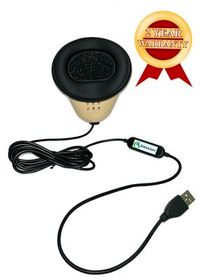
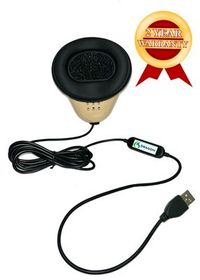
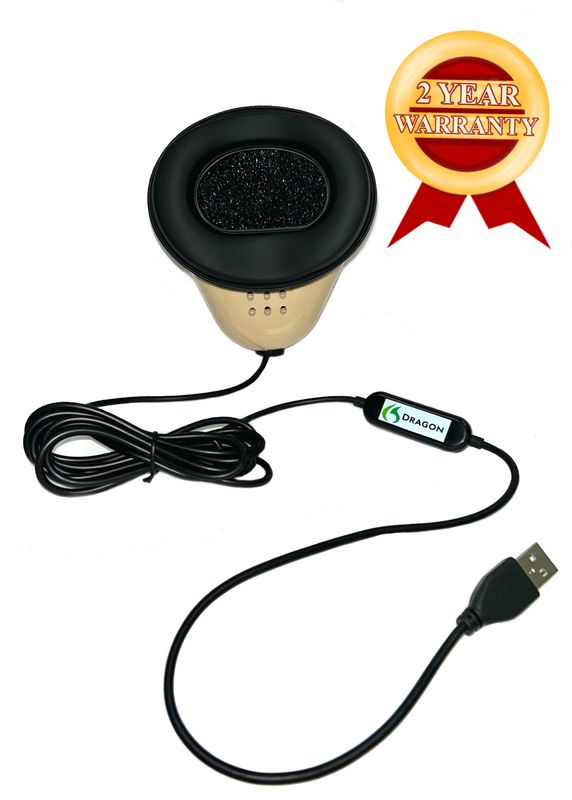
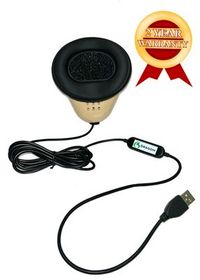
Martel’s Dragon USB Stenomask supplies one direct USB microphone connection to the computer through its built-in sound card. You can use it to verify the reporter’s input on the VOX laptop and in the supported CAT workflow. When you expect the computer to save a mask recording, identify the recording function you actually started and the filename it produced. A selected microphone is a source. Obtaining a playable file also requires a configured recording destination that is actually recording. Martel Dragon USB Stenomask specifications.
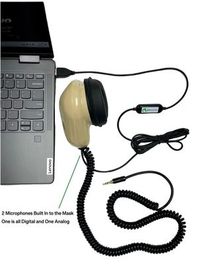
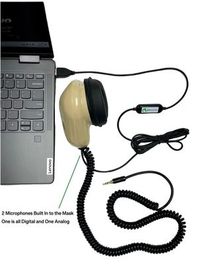
The Martel Double Dragon 2 has a USB microphone path for the computer and a separate 3.5 mm microphone path for a compatible recorder. Both paths carry the person dictating into the mask. For a cloud-connection exercise, the recorder can provide another place to hear the words you actually said, provided it was correctly connected, started and saved. The second mask microphone serves a different purpose from a room microphone positioned to hear the original speakers. Label the source and the destination on every file you keep. Double Dragon 2 recording connections.
If using a standalone recorder, set up its microphone input according to its own manufacturer’s instructions. Make one short file containing a phrase unique to the recorder test, then save it and listen on the device itself. Start a fresh file for the full exercise. Include an opening identifier and a closing identifier in your revoiced practice. At the end, check that the same saved file contains both and listen to the material surrounding the planned connection change. A recorder can keep its own file, but only the test tells you what that particular file actually contains.
Martel offers VOX Elite laptop packages with 32 GB or 64 GB of memory and describes help with stenomask setup and CAT file transfers. Bring your personal mask and a fictional practice job to the discussion. Ask to open the transferred material, make a fresh rough with your intended microphone and locate the new answer. Separately, identify the cloud recognition arrangement and where you may connect at each practice desk. A successful file transfer and an active network address different needs. Completing both checks gives you a clearer starting point when the room changes. Martel VOX Elite 32 GB package · Martel VOX Elite 64 GB package.
Use the same personal mask, position and working pace on both sides of the planned change if your purpose is to observe the effect of changing connections. Carefully articulated dictation and a verified input make a comparison of speed and recognition accuracy more informative. Mark substantive changes such as “can” becoming “cannot,” along with the time needed to find the passage and check it. If you use the Double Dragon 2 recording to resolve a specific question more quickly, note which question and how long the review took. That gives the equipment choice a meaningful result in your own work.
We handcraft our Dragon USB and Double Dragon 2 stenomasks in limited quantities. If a batch sells out, there may be a waiting list.
Agree on a stopping point with the person reading your fictional source. For the first run, stop after a whole question and answer. Let the witness finish, repeat the answer into the mask, and find the last distinctive words in the working rough. Write them down beside the reported time of the pause. Check whether a recording or the CAT job needs to be saved or otherwise handled according to your normal authorized procedure. State the planned pause aloud in the practice recording if that is part of your design, using a phrase you can later distinguish from the witness’s words.
Next, make the planned switch from the first permitted connection to the second using the normal procedure for your environment. If this is a test of two separate sessions, finish and save the first before the move, then begin a newly identified session. If you are trying to learn what happens to an active practice job, agree on that different test in advance. Mark the last words heard and the first words seen after the handoff. Record any action you actually take, including reopening a job or starting a fresh one. Keep that sequence beside the relevant files.
After the connection change, ask the witness to begin with a new complete question that includes an unmistakable identifier. Do not begin by repeating only the last few words from before the pause. If the new text appears, the unique phrase identifies it as new material. If no new text appears, note how long you observed, what you said and the status visible in the application. Save the observations on paper if necessary. A newly visible duplicate of an earlier sentence can otherwise look like evidence of successful capture of the sentence you just spoke.
Once you have a working session again, dictate two further turns. One should contain a proper name spelled by the fictional witness. The other should include a correction to a quantity or date. This tests whether you can continue ordinary reporting activity after the connection change, as well as whether a few words appeared. Stop, save and reopen the practice material using the supported workflow. If you changed a setting during the exercise, identify it in the results. That detail will matter if another reporter or a trainer later tries to reproduce the same conditions.
This original script concerns two proofs of a concert program. Read the first group before the planned connection change, the second only under the practice conditions you arranged, and the third after you have confirmed the intended working condition. A partner can hold the source so you hear the corrections in natural order. If recording the source for solo practice, prepare three clearly named files and keep them available locally. Write down which file you actually played. The script remains the reference even if the display stops changing at some point in the exercise.
Question. Who delivered the artwork to Reed Street Print? Answer. Nella Dorn delivered the first artwork on a cream-colored proof sheet. She called the heading copper, although the heading on the paper was printed in black. She was asking us to use copper ink when we prepared the first working proof. I wrote her request along the edge of the cream sheet in pencil. The sheet itself was the artwork she brought in. The copper proof was the next item we printed in our own shop.
Question. What name did you enter for the job? Answer. I entered Reed Hall Quartet. Please spell Reed as R, E, E, D, as on the concert hall sign. Our print shop also uses Reed in its own name. The concert organizer signed simply Nella Dorn, without adding the hall’s name beside her signature. When I say who delivered the artwork, I mean Nella. When I refer to the printed heading, I mean the words Reed Hall Quartet that appeared above the concert date.
Question. How many copies of the copper proof did you make? Answer. I pulled two copies from the press. I set one beside the cream artwork and sent the other to the person doing the binding. Neither copy went to the concert audience. Both were working proofs. The slip on the binding table says “two copies printed, one copy delivered here.” I wrote that sentence myself because the binder wanted the number printed and the number on her own table recorded separately.
Question. What could you see on the lower border of that first proof? Answer. There was a thin line beneath the concert date. It was straight under the day of the week and slightly curved beneath the year. I marked the place with a small pencil arrow on our shop copy. The copy already on the binding table had no arrow when I left it there. That is the distinction I would look for if you asked me which copper proof I marked.
Pause here for the planned exercise. These instructions to the reader are separate from the fictional witness’s answers. Let the witness finish the answer about the arrow and identify its last words in the rough. If the exercise involves moving between two separate working sessions, close out the first practice segment according to the plan you agreed with the trainer. If you are running a handoff test, make the approved connection change at this point. Record whether the next group was read during the change or after you established the second connection.
Question. On the indigo proof, which words appeared in the lower left corner? Answer. The words were “second impression.” The revised heading above the date was indigo. The staff did not print the word indigo on the page. I used that color name to identify the ink when I wrote the order for the press operator. The small letters in the corner were printed as a revision marker. They can be read without deciding whether the ink looks blue or purple under the lamp.
Question. Who authorized the new heading? Answer. I spoke to Corin Pyle on the shop telephone. Corin asked for the color change and kept the same concert date. Nella was present on the earlier visit and had already left. I know Corin’s name from the caller’s introduction and the spelling written on the returned work order. I do not know whose handwriting supplied that spelling. The name and the color change appear together near the bottom of the order.
Question. Did the binder receive a second copper copy or an indigo one? Answer. She received another working copy, and that new copy was indigo. Her earlier copy was copper. She placed the two side by side and asked me whether the curved line beneath the year had been straightened. I could see the line was straight on the new one. I did not inspect the older one again at that moment. My earlier note about the curve belongs to the shop copy I had marked.
For the third part, identify the working condition you have now confirmed. Record a new marker before the source begins. Let the first resumed statement be a complete question with a distinctive answer, even if you have already seen new words on the screen. Use the same mask position and speaking level as in the first part. Save this segment separately if you deliberately planned to make separate files. A reviewer should be able to tell whether a new filename marks an intentional practice boundary or an unexpected result of the change.
Question. Please spell the binder’s name as it appears on the delivery slip. Answer. Her first name is Aline, A, L, I, N, E. Her last name is Perrin, P, E, R, R, I, N. She signed the slip when she received the indigo proof. The copper proof was left on her table before she returned from lunch, so the earlier slip carries my initials. Only the later one bears her signature. That is why the two slips show different handwriting in the received-by box.
Question. You mentioned one hundred copies of the finished program. Did the shop deliver all of them? Answer. I mentioned the initial order for one hundred. The organizer changed the final quantity to one hundred and ten. We delivered the first hundred in two bundles and the other ten in one smaller sleeve. The working proofs were kept apart from the finished programs. If you count the proofs with the finished order, the total will answer a different question from the number of programs delivered to the organizer.
Question. What sentence on the final receipt helps you identify that last delivery? Answer. It says the extra sleeve contained ten programs for late seating. The words “late seating” were written in green pencil by someone at the hall. I recognized my own writing on the line above it, which gives the total quantity delivered. I can identify the color of the added words and where they appear. I cannot identify who at the hall wrote those particular words.
Find the final answer about the pencil arrow in the first segment and record the last complete sentence you can verify. Find the new phrase “second impression” from the indigo segment and identify whether it appeared in the untouched rough and the recording of your dictation. Then find the spelling of Aline Perrin in the third segment. Give every observation a source, such as “heard in recorder file” or “visible in saved CAT rough.” A single comment like “everything resumed” cannot tell a trainer which material was captured during which part.
Suppose that in one fictional result you find the arrow sentence and Aline’s spelling in the rough, while the passage about the indigo proof is audible only in your separate mask recording. You may state exactly that about the files you checked. First reopen all the job segments you intentionally created, and compare the recorder’s spoken marker with the job names. Listen to the surrounding question and answer on the independent recording. If the words still have no matching text, preserve the short passage and describe that specific difference. The available evidence identifies what you heard and found at this desk.
Consider a different illustrative outcome. Your rough includes the phrase “second impression” twice. Listen to your mask recording across that point. If you said the phrase twice while trying to decide when to resume, your input may account for the repeated text. If the recording contains only one instance, keep the surrounding seconds and the untouched output for a follow-up question. Compare the reference with the editing copy, too. A repetition introduced while combining practice segments should be documented as a later editorial event rather than attributed to the network change.
Use a simple timeline for the report. An acceptable entry might say that the reader finished the arrow answer, the reporter heard and repeated it, a planned pause followed, and the reporter observed the second connection become available. The next entry might say that the operator read the indigo question beginning with the words “On the indigo proof.” Then state where you found those exact words afterward. Numbering events in sequence can be more reliable for a short rehearsal than treating two clocks on different devices as precisely synchronized.
Finally, ask someone to request a readback from each side of the change. For the first segment, ask how many copper proofs were made and where they went. For the last, ask how many finished programs were delivered. If the answer from the middle segment is unavailable in the saved rough, say what you did find and where you found it. Use permitted working procedures for review or correction. The ability to respond accurately about a missing or uncertain piece of a practice job is as important to training as an immediate readback from a fully captured segment.
If somebody asks how long material is missing, distinguish what you know from what you can estimate. Suppose the last words you verified occurred at an elapsed four minutes and the first verified new phrase began at five minutes and ten seconds. The two markers enclose seventy seconds of elapsed practice. They do not establish that seventy seconds of testimony went unrecorded. Part of that interval might include the planned silence, time spent moving the laptop or a question the reader never delivered. Use the source and the mask recording to identify the actual lines spoken between those markers. A report that names the missing utterances and gives the bounding interval tells a colleague much more than an unsupported duration for lost speech.
Identify the cloud recognition arrangement you can actually use. Create a new practice job and check that one newly spoken line gets into its saved rough. If you have a separate mask recording, play the corresponding line there as well. Confirm whether your source is in the room or depends on a meeting connection. Those three observations establish a starting point for a network-change rehearsal. If you cannot yet use cloud recognition, you can still practice saving two segments around a break and distinguishing them during readback. Describe that as a session-boundary exercise.
Use a fresh practice job, a willing reader and entirely fictional material. Arrange the change for your authorized practice device and permitted networks. If you want to compare locations between separate sessions, finish and save one at the first desk and set up the second at the new desk. If you need to examine an interruption during a running exercise, give it its own job name and arrange an agreed stopping point with the reader. A colleague picking up the folders later should be able to distinguish those two questions from the labels alone.
Use a short identifier that a reporter would not normally repeat by accident, followed immediately by ordinary speech. “Copper type, opening rehearsal” can identify the file, and a complete question about the concert program can test normal dictation. Record the identifier on your worksheet before you begin. If you later open a file that contains a different marker, you can set the file aside without drawing a conclusion about the planned connection change from the wrong sample.
A remote meeting may make two kinds of speech dependent on the same connection. You need to hear the original speaker, then your configured cloud recognition needs to receive your revoiced input. If the first activity stops, there may be nothing new for you to repeat. A locally available fictional source lets you test one part of the chain more clearly. Once that baseline is established, run a second authorized rehearsal with your ordinary remote workflow and label it accordingly.
It is one observation about the computer’s connection. You still need a fresh phrase to demonstrate that your configured recognition workflow receives new material and shows it in the intended CAT job. Use a sentence you did not dictate earlier and check the saved rough afterward. If the symbol looks normal and the words do not appear, record both facts. That combination is more useful for support than interpreting the icon as a complete test of the cloud service.
Record the wording you saw and what you were doing immediately before it appeared. Note which connection you were using, whether you could still hear the reader and whether new words were visible in the intended job. Save a short fictional example if that is available. When describing the event to someone familiar with the setup, ask what observation would distinguish the possible causes. For example, being able to play earlier audio establishes that earlier material was reachable, but you still need a fresh phrase to test current capture and text.
Choose this in advance according to the question you want to answer and the procedure approved for the exercise. A planned stop between sessions should include a real pause in the source. A rehearsal to learn what is captured during a permitted handoff might keep a local fictional reader speaking. Mark on the worksheet which choice was made. If the reader stopped and the mask recording is silent, the silence alone says little about recognition behavior during the same interval.
A repeated sentence can be ambiguous in the reopened rough. You may be seeing the earlier copy, a fresh repetition or a later editorial duplication. A distinctive new phrase identifies the point at which new material was dictated. In the print-shop passage, the transition from the pencil arrow to “second impression” supplies that distinction. If you decide to repeat an earlier answer for any reason, mark the repetition and keep the original unedited output for comparison.
With a compatible recorder and the Double Dragon 2’s separate 3.5 mm microphone output, it can preserve the reporter’s own dictation as a distinct file. It can help establish what you actually said when the screen changed or a question was repeated. It must be separately set up, started, stopped, saved and checked. A working recorder does not establish that the cloud service received the same material, and it does not supply a separate recording of each person in the room.
The Dragon USB mask supplies a direct microphone input to the reporting computer. Set up and check any computer recording you intend to keep and clearly identify what that file contains. You can still compare the fictional source, the dictation file you deliberately saved and the rough for the configured cloud route. When making a purchase decision, describe whether a second independent destination for your voice is a requirement or whether one computer microphone path meets your planned workflow.
Locate the spelling exchange and listen to the whole sentence on the mask recording. Check whether you spoke every letter, whether the witness’s source gave the correct spelling and whether the rough attached it to the right person. Mark the exact difference. If you can clearly hear a missing letter in your dictation, you have a specific text comparison. If you yourself omitted a letter while handling the connection, that is a practical training observation about resuming work.
Choose a single clock or stopwatch to record elapsed time for your observations. Write times alongside distinctive events, including the last confirmed sentence, the planned change, the first new spoken marker and the first new text you could identify. If another device has its own clock, record that separately. Two devices can have different clock settings or start times. Spoken markers give you a way to align events without assuming those displayed clock values refer to precisely the same instant.
Choose which question the session should answer. If you want to rehearse ending one job and starting another in a different room, use separate segments with meaningful names. If you want to observe an active practice job across an approved connection change, identify that as a different exercise and retain the untouched rough. The reviewer needs to know what you intentionally created and where you expected the next answer to appear. Check every known segment before describing a passage as absent, and keep a spoken marker with each intentional break.
A new sentence on the page shows that speech reached the job under the conditions you observed. It does not identify the route that produced the words. Record whether you deliberately selected a different recognition arrangement and what equipment or service you used afterward. If you have a separately available local arrangement and choose to test it, use a fresh marker and identify that as its own practice. A move from one network to another can leave the recognition arrangement the same. Keep those two facts in different columns so a reviewer can see which change was actually demonstrated.
Compare the original fictional source, your notes about the planned stop and a recording of the words you actually repeated. If nobody spoke during the approved pause, silence is part of the trial by design. If the reader spoke locally and you repeated the material, a separate mask recording can identify the particular words to look for in each rough segment. Keep the distinction explicit, especially if you practice with a remote source in a later trial.
Treat speaker attribution as a separate result. Check the fictional source for the speaker change and identify the method you used to mark that change in your own CAT job. Read the relevant passage from the untouched rough to see which label appeared before editing. You may have complete, recognizable words attached to a speaker who did not say them. A short fresh exercise with one question and one answer can help you work on attribution without repeating the whole handoff. Record whether the label changed with that focused rehearsal.
Return to the object being counted. In the fictional job, two copper proofs, one indigo proof delivered to the binder and one hundred and ten finished programs represent different things. Write the object and quantity together when you compare roughs. If the digits survive but the sentence attaches them to the wrong item, the numerical text alone is misleading. Play the surrounding source and mask audio before deciding which piece of the chain needs attention.
Keep the original saved rough, any separate job segments, the fictional source and the dictation recordings that actually exist. Make a clearly named working copy for editing. Note which sentence you found twice or which words you could hear only on the recording. In the edited copy, follow your training and work procedures for restoring or resolving practice material. Retaining the first version prevents the editorial solution from erasing the evidence needed to understand what happened during the trial.
It gives you a controlled point of comparison. A local source can continue playing even if the remote meeting you normally use would be unavailable under the same conditions. It lets you test whether you heard, revoiced and captured the intended passage while isolating one variable. After documenting that result, repeat with an authorized remote partner if remote work is the real objective. Different results across those two trials give you specific questions about the incoming speech and the outgoing recognition route.
Describe the hardware observations that matter for the laptop and mask. Identify which input recorded successfully, which Martel mask and connection you used, what moved between desks and which connectors were occupied. If your laptop reopened the earlier job and produced a second clear mask recording afterward, give those examples separately. For a question about the rough, include the first line you could verify after the move. That gives a person helping with the equipment something they can reproduce and distinguishes a physical connection question from a question about the missing words.
Use an answer someone else could find. Place the reference question, the words you can hear in your mask sample and the first matching text in the saved rough on successive lines. Add the name of the job and the action immediately preceding the first resumed sentence. If you had to repeat the witness’s answer, label the repetition in your notes. A reader can now distinguish a delayed appearance from a second utterance that produced similar words. Keep any uncertainty visible, particularly where you lack a recording or a clear marker.
Start by measuring the interval you care about and confirming the source. One missing word in a phrase with a similar-sounding neighbor is different from a new sentence that never reaches the job. Document the first audible input, the first identifiable new output, the saved result and any visible message. If you later compare approved connections, hold the rest of the practice setup as steady as practical. A repeatable difference warrants a targeted question. A single uncertain observation does not isolate a cause.
Use a permitted location for the active handoff exercise, or rehearse a deliberate stop and start in two separately approved sessions. Prepare the fictional questions, file naming plan and recovery questions in advance. You can also practice checking the first resumed words and a readback after a simple pause on one stable connection. Mark what the test covered. These exercises develop useful reporting habits while leaving venue operations and network permissions in the hands of the responsible people.
First check whether they refer to the same settings and the same location. Record any change of room, reader, mask input, connection, laptop equipment or recording plan. A lunch break may coincide with several unrelated changes. Look for fresh spoken identifiers and when each file was started. Compare the parts that can reasonably be aligned, then design a shorter follow-up to investigate any specific difference. It is possible for both sessions to be valuable without treating them as identical tests.
Give that job to the person who can observe the events being timed without compromising the exercise. If a partner times the interval, define the start and finish before dictation and record that the timing was observed manually. If you practice alone, choose a simpler measure you can capture reliably, such as the total check-and-save time for a small segment. Use the same definition when comparing sessions. Precision in describing the measurement is more important than displaying extra decimal places.
Yes, when you explain exactly what was counted. A 120-word fictional passage dictated in one minute represents a delivery rate of 120 words per minute. That is different from time to first visible text and different again from time to a fully reviewed rough. Record corrections, speaker assignments and critical names as separate observations. If the cloud handoff adds a planned pause, indicate whether that pause was included in the timed interval. Readers can then interpret the figure fairly.
A Martel VOX laptop discussion can cover the personal mask, CAT file transfer and the applications you normally run while reporting. Describe the connections you need in each location, including any separate recorder or display. Use one laptop acceptance test that stays the same between desks, such as reopening a specific practice answer. Then carry out a separate cloud check by speaking a fresh phrase on the permitted connection. A known reading task and a new capture task give you distinct evidence to review when the hardware or network changes.
Ask about a detail that could only appear after the change. “Find who wrote the words about late seating” requires the reporter to locate a qualified answer. The witness could specify the color and position of the writing and could not identify its author. A response naming a person from the earlier part of the testimony would change the answer. This kind of request checks the first resumed material and the ordinary editorial judgment required to play it back accurately.
Keep the sample and the circumstances under which it worked. Record which cloud arrangement you used, the two permitted connections, whether the reader was present and which files you saved. Identify one passage from before the change and another after it that you successfully reopened and checked. Share the short result with the person who may read the next practice. You now have a dated comparison for the next location or equipment change and a reference for how a successful handoff looked and sounded at this desk.
Choose the least certain observation with the greatest practical consequence. If you can verify the text but have not played the standalone recording, check the recorder with a short new passage. If you are unsure whether revoicing resumed before or after the job received the next words, add a distinctive first marker and ask a partner to observe that moment. If the question is about a change of recognition arrangement, record which option you selected and how you identified it. A targeted second trial lets you answer a specific question while keeping the original comparison useful.
Give yourself a handoff note that fits at the top of the practice folder. State the last complete answer before the planned change, the first verified new phrase afterward and the location of the untouched job or jobs. Identify whether you had a room source, a mask recording and a separate portable recorder file. A note like this can be read in a few seconds by someone who has never seen your desk. It also serves as a check on whether the exercise actually demonstrated what you set out to learn.
Then put the fictional reader’s reference away and ask for one last readback. Describe the difference between the number of copper proofs printed and the total number of finished programs delivered. Find the color of the added words about late seating and what the witness knew about their author. When you can recover those answers from the intended saved material and explain the bounds of any gap, the exercise has produced evidence about your working setup. Put the date, both job names and a distinct phrase from each side of the change beside that final readback.