Choose a recognition arrangement by the work you need to finish
Two reporters can both say they wrote a practice hearing with Speechmatics and still be describing different desks. In a local arrangement the recognition work takes place on equipment at the reporting location. In a cloud arrangement the configured service performs recognition remotely. For either one, keep the result you want in view. Can you speak a new exchange through your own mask, save it in your computer-aided transcription (CAT) software and locate the witness’s correction during readback? Knowing which setup produced the answer makes that result useful when you plan your next class or reporting desk.
First identify the arrangements you actually have available. One reporter may be able to try two on the same computer. Another may have one confirmed arrangement and a question about what a different desk would require. Give each one its own line. Record what you know about the device or service doing the recognition, the microphone supplying speech and the computer displaying the rough. Leave an unanswered field open. A practice file saved to a laptop establishes where you recovered that file. By itself it tells you little about where the spoken sentence became text.
| Question for this desk | Local recognition, if available | Cloud recognition, if available |
|---|---|---|
| Where are the words recognized? | Identify the particular equipment doing the work. | Identify the service used for this practice session. |
| What connection does the test need? | Trace any link between the reporting computer and the recognition equipment. | Confirm the permitted network connection for the intended room. |
| Which result will you keep? | Retain a saved rough and a labeled recording from this arrangement. | Use a different job label and check a fresh phrase and the reopened rough. |
Prepare a card for the desk you are using today. At the top, write the date and a short description such as “office laptop with my USB stenomask.” Underneath, write the arrangement you intend to test and how you identified it. Add a line for the file you will save. If you have two choices available, use different practice filenames even when the same material will go into both. A colleague opening those files tomorrow should be able to tell which result belongs to which test without recognizing your handwriting on a cable label.
To put the decision in context, three fictional reporters will prepare for a museum hearing about a measured drawing. One can use a confirmed local arrangement, another plans a cloud session in a designated room, and a third wants to compare both where available. They share the same witness passage later in the guide. Their locations, names and results are invented. You can use their questions individually even if your own desk offers just one choice. The finished rough and its checked details give you a concrete basis for discussion with the person helping set up your next session.
Follow one sentence from the mask to a reopened rough
Begin with the part you can hear. Speak an unusual phrase through your normal reporting mask, then listen to the practice recording made from the input you selected. Say the time or job label as part of the phrase. A recording left over from the previous run can sound exactly like you. Add a fresh spoken detail and you can distinguish it. Write down how you obtained that recording. The person who reviews it needs to know whether they are hearing the reporter’s dictation or the voices of people in the room.
For a local arrangement, identify which equipment your setup uses for recognition. It may be the reporting computer or another device configured to work with it. Write the exact description you can establish for your practice installation and trace the connection if the devices are separate. Then create new words in a working job. Opening a transcript from last week can show that the file is readable, but it cannot show what happens to a new sentence spoken today. Leave a note if you can confirm new words yet still need to identify which device processed them.
For a cloud arrangement, identify the service you intend to reach and the network connection you may use in that room. Test it with fictional dictation and check for a fresh answer in the intended job. Note whether your witness is present, reading from a saved recording, or speaking through a call. If the witness is on the call, two activities may depend on connectivity. One lets you hear the witness and the other lets your speech reach the recognition service. Record a separate observation for each so a later question starts in the right place.
On a desk offering both arrangements, keep the comparison narrow. Use one personal mask and one source recording for your first pair of runs. Put a different spoken marker in front of each one. Preserve the text before cleaning up the punctuation or names. When you later review the two files, underline the relationship you want to test, such as which person reviewed the measurements. If a desk offers one arrangement, do the same exercise twice on that desk to see whether you can reproduce your observation. Label it as a repeat of one setup.
Close the first check by asking for a readback with the paperwork put away. The reviewer gives you a subject and you find the exchange in the saved job. In the museum example, the subject could be the reason sheet fourteen needed another revision. If you can reopen the job but cannot play the recording you expected, record those as separate findings. A purchase or setup decision may turn on the ability to review a particular answer later. Capturing the first stream of words covers only the opening part of that work.
What the comparison means at a reporter’s desk
Consider three fictional reporters gathering before the museum exercise. Carmen works at a desk whose local recognition arrangement she has already identified. Elias plans to use a cloud connection he may use in the practice room. Priya has access to two confirmed arrangements and wants to know which checks she will repeat when she moves desks. Each will prepare a slightly different card. What they share is the job at the end of the session. Each needs to tell the questioner precisely which drawing the conservator described, which revision was current and where the disputed mark appeared.
Carmen puts the reporting computer and the equipment doing the recognition on her drawing, using one box on the page if they are the same device. She checks a sample spoken with her usual mask, saves a rough and asks a colleague to open it. Her colleague can read the line about the tripod but hears room voices in the accompanying recording. Carmen changes her drawing to show that separate recording source. Her original observations about the recognized words still stand. A drawing accurate enough for someone else to retrieve the intended audio is better than a neat one missing that distinction.
Elias marks the desk he can use and writes down the way he will connect for the cloud practice. To give the first comparison a steady reference, he asks someone in the room to read the witness. He can now observe whether he heard that person, whether his mask captured his revoicing, and whether a newly spoken phrase reached the rough. For a second trial, he may move the witness to a permitted call. That added step gives him a reason to check incoming sound separately. It leaves a record of which trial he can repeat under which conditions.
Priya labels her two jobs “mural first reading” and “mural second reading,” then records the chosen recognition arrangement beside each name. A reader supplies the same unfamiliar passage. Afterward she takes a request for one answer from a colleague who does not know which file came from which setup. The colleague asks for the person who reviewed the photographs. Priya records the time she took to find the line and whether the name on the page matches the reference. If she later times another passage, she can reverse the order to reduce the effect of familiarity.
Each reporter can now ask an answerable question. Carmen wants to know which recording will travel with the rough when a reviewer changes desks. Elias wants a practical test for identifying the first new line after he reconnects. Priya wants a comparison that records how long it takes to deliver a checked answer, including time spent editing. These are different purchasing and practice priorities even when people use the same personal mask. Begin with the one that matches the work you personally need to finish. Then write a single observation that would count as completion.
Plan the practice around the room and the people who will read it
A rehearsal that fits one quiet office may feel different when a partner is waiting for a readback. Write a short description of the intended assignment. Include where the reporter sits, how the witness will be heard, whether a network connection is permitted for the intended purpose, and who needs the saved material afterward. If a fact is uncertain, describe it as a question for the person responsible for that venue or setup. The answer can change what you practice first. A planned cloud session, for example, deserves a short test in the actual permitted setting when one is available.
Choose a stopping point in the witness’s account. You might ask everyone to pause after the conservator identifies the surface on which the panel number was written. Save the current job and mark the last complete answer. On resuming, ask for a new sentence about the other wall. The two distinct details let a reviewer recognize the boundary. Do this once on a normal uninterrupted arrangement before making a deliberate room or connection change. You then have an ordinary pause to compare with the more involved exercise.
Keep a record of time for the task you care about. If your concern is readback, start the clock when a colleague requests an answer and stop when you finish reading it. To check first text, choose two different events, the end of a short utterance and its first appearance in the rough. A pause to correct an exhibit letter belongs in your notes. Combining those activities under one number can conceal whether you need more practice locating testimony or a closer look at the speech input. Report the conditions beside the time.
In a shared room, arrange the desks so each reporter can identify their own input and job before the group begins. Instead of having three people say exactly the same marker, give each a different short location or revision, such as “south landing, red sheet.” Keep the witness’s testimony itself identical. If two saved jobs carry the same marker afterward, check filenames and where each microphone was directed before comparing word choices. The job labels provide a simple means of tracing an unexpected result without interrupting the rest of the practice.
Choose the laptop and mask for their particular roles
Martel offers VOX Elite court reporter laptops with 32 GB and 64 GB configurations. The package descriptions cover help with stenomask setup and transferring CAT files. Bring a short fictional job to the conversation. Show which answer should be present, where the associated recording lives and which microphone you want to use for a new practice line. If a local arrangement is on your list, identify which equipment will do the recognition in that arrangement. If a cloud session is planned, include the connection you intend to use. Make each component earn its place by naming the reporting task it serves. Martel VOX Elite 32 GB package · Martel VOX Elite 64 GB package · .


Use the same test shopping conversation for either memory size. Describe the applications and practice materials you normally have open at once, the microphone you use, whether you connect a separate display and how you keep room audio when the assignment calls for it. Ask for the exact configuration in the package being considered. Then make a two-part acceptance exercise for delivery. First, find a known line in an authorized old job and hear the expected associated audio. Second, start a new practice job, dictate a completely different marker and reopen it. These observations give different meanings to “it works on my new laptop.”
The Martel Dragon USB Stenomask has a built-in sound card and a USB microphone connection for the computer. The Double Dragon 2 provides a separate second microphone with a 3.5 mm connection for a compatible recorder, in addition to its USB path. Each mask takes the words you speak into it. Choose between the models by identifying the destinations you actually need. When a colleague says they have a local copy, ask whether they mean a recording saved to a device, the rough on the reporting laptop or a confirmed local recognition arrangement. Each description answers a different question. Martel Dragon USB connections · Martel Double Dragon 2 connections.
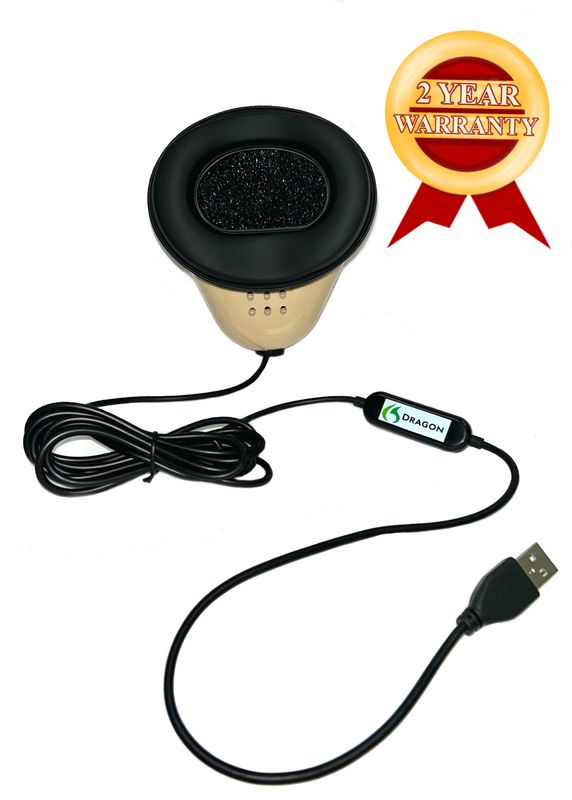

Use a modest recording to identify the difference. Say “south landing, revision four” into the mask at your ordinary working level. Listen to the test on the computer, noting which input supplied it. If you are using a Double Dragon 2 with a separate recorder, make a second file on that device and listen to it there. Next, speak a different sentence into a fresh CAT practice job using the setup you intend to compare. Write down where you found the text. You now have a record of what reached each audio destination and what registered as a written answer.
We handcraft our Dragon USB and Double Dragon 2 stenomasks in limited quantities. If a batch sells out, there may be a waiting list.
Compare arrangements with a shared fictional witness
Give all three reporters the same fictional source so they can discuss a piece of work after their equipment questions are resolved. The witness is a museum conservator explaining a mural survey. The names, measurements and events are invented. One reader can supply the questions and answers to the group, or you can make a reference recording for separate practice. Each participant should identify the arrangement they personally used. Keep the source sheet covered while reviewing the first saved rough. Uncover it to mark which apparent differences were changes in writing, sound or the reader’s rendition.
Question. What names did the museum give the two sides of the mural? Answer. The side with the sailboats is Harbor Wall. The side with the stone bridge is Landing Wall. Both sides can be seen from the south landing, which is where the photographer stood. When I use the word “landing” in a sentence, I might mean the wall’s title or the place where someone stood. The sketch at the top of the survey sheet shows the photographer’s position. The printed title under the sketch identifies the wall the photograph shows.
Question. Which surface did you number first? Answer. I numbered the panels on Harbor Wall first. From where I stood, panel five was immediately to the left of panel six. My assistant stood on the opposite side of the movable display holding the label cards. She could read the back of each card. She could not see the painted surface while the cards were in place. I described a small white mark on panel five and asked her to write “near the upper border” on the reverse of that card.
Question. The sheet says five feet. Is that the height of the mark? Answer. Five feet was the distance from the base of the wall to the camera tripod. The height of the mark was five feet, three inches above the baseboard. The number three appears beneath the five because the ruled line ends there. On the original sheet they are linked by a small curved pen stroke. The copy we are looking at today cuts through the lower end of that stroke. I can identify what I entered because I made the measurement myself.
Question. Who reviewed the sheet? Answer. Lio Mercer reviewed the photographs, and Dara Wen reviewed my measurements. Lio prepared a separate list of pictures. Dara initialed the lower right corner of the survey sheet in blue pencil. The initials next to the panel number belong to me. The two people used the same meeting room that afternoon, but I saw them at different times. I handed Lio the picture list before lunch and showed Dara my measurements after the museum opened for the afternoon session.
Question. Which page will help us find the mark now? Answer. The location is on sheet fourteen, revision C. Revision B shows a different mark nearer the lower border. If you look only at the panel number, both sheets say five. Read the revision letter and the description of the border together. Then look at the photograph of Harbor Wall taken from the south landing. The title printed along the bottom is a caption, and the handwritten letter in the corner identifies the revision of the survey attached to it.
The reference offers several ways to check your setup that are more informative than matching a list of single words. “Landing” can be a physical location or part of a title. Five feet is a measurement in one answer, and panel five identifies a part of the display. The letter C distinguishes survey revisions. Use colored pencil on a paper reference or a separate editable reference copy to mark each relationship. In the untouched rough, look for the question that gives the answer its meaning. An accurate number detached from its question can still make a passage difficult to use.
Divide the review into tasks. One person handles names and speaker changes, another handles the measurement, and a third handles the relationship between page, panel and revision. If practicing alone, take those roles over three successive readings. Keep the results for each arrangement attached to its job name. A colleague who is still preparing a second setup can make an answer key and review the existing rough today. When fresh speech is available on the other arrangement, that colleague can check the new output using exactly the same reference. Leave room on the worksheet for the actual new result.
Write a short observation for each task. For the measurement, identify whether the rough preserved both the five-foot tripod distance and the five-foot-three height. For the revision, check whether panel five and revision C were attached to the right sheet. For the names, check whose initials were blue and who reviewed the photographs. Attach one line of supporting text to each observation. A short label such as “Carmen, office local trial” identifies the arrangement. The rough, the relevant recording and the checked relationship show the reporting work it produced in her hands.
Turn conflicting advice into an exact question
A colleague may say that the reporting computer was working when the connection changed. Ask what they verified. Reading an earlier page, recording new dictation to a separate device and seeing a fresh answer appear in the correct job are three different observations. Put one next to each time or marker. If only an earlier page was open, acknowledge the useful fact that the file could be read and schedule a second practice line. That gives a later reviewer enough detail to interpret the claim without expecting the new arrangement to behave a certain way.
The word “clear” deserves the same care. It might mean that a recording was easy to hear, that the typography was easy to read, or that the sentence preserved the witness’s meaning. Ask a colleague to circle the specific word they heard or read. In the mural exercise, a clear “five” still leaves the object being counted or measured open. Record who supplied the number, which unit accompanies it, and the phrase attaching it to the tripod or the panel. Your clarification now points to an answer in the transcript that both people can check.
When two people describe different results, begin with a shared piece of evidence. A short, permitted recording of your dictation can fix the wording of the input for review. The untouched rough can show the first written result you saved. The reference identifies what the witness was expected to say. Make a note if the actual reader changed a word. Then ask the other person to identify the earliest difference they can demonstrate. This works whether you are comparing two recognition arrangements or two attempts with one setup on different days.
Give your final question a concrete ending. You might ask, “When I move to the second desk, what should I check to establish that the phrase I just spoke reached the right job?” Add the marker you used, where you could hear it and the name of the rough you opened. The person helping you can work from a particular point. If you make a change, dictate another fresh line and retain the result on the same worksheet. You will know which observation applies before the change and which one is new.
Have a colleague read your setup card while you keep your hands off the equipment. On a local arrangement, can they point to the device that supplies the input, the equipment doing the recognition and the file they would open for review? If two roles share a computer, the card should say so plainly. Ask your colleague to choose one detail from the museum passage and find it. A long pause while locating the job may indicate a naming or storage question even though the new words appeared promptly during dictation.
Try the exercise with a cloud arrangement if that is one of your choices. Ask your colleague to identify the reporting computer, the permitted connection and the intended job. Give them the short mask recording from one trial and the saved text from another. Can they explain how they determined the files do not belong together? The distinguishing marker should do the work even if both documents include sheet fourteen. Restore the correct pair, listen to the corresponding passage and attach the note describing the network and location to that pair.
Thirty questions about comparing recognition arrangements
What belongs on a comparison card if I have only one setup to try?
Record the arrangement you can test now and the practical question you would ask about another. If you can identify a local setup and have completed a museum passage with it, keep those observations. For a possible cloud practice, list what you need to confirm about the service, the venue’s permitted connection and the way you will save a new job. Leave its results column empty until you have produced fresh speech. Your first card stays useful even when the other desk becomes available much later.
What makes a good first question about local recognition?
Ask which piece of equipment does the speech recognition in the setup you intend to use. Then ask where the reporting job opens and which microphone delivers the words. Draw a box for each distinct physical device, labeling both roles on the same box if that reflects the arrangement. At the end of a short practice, point to the saved rough and play a uniquely marked recording. A model name on an equipment list becomes meaningful once you can explain what that item did in the test.
What makes a good first question about a cloud practice?
Ask which connection you may use in the intended location and how you can confirm the selected recognition service for that session. Give the job a distinct name. In the first practice have somebody nearby read a question, so you can hear the witness even if a separate call has not been set up. Listen to your own mask sample, locate the new words in the rough and note the time if timing matters to your decision. Keep your observations with the name of that practice job.
When does a comparison of both arrangements answer something new?
Start with a difference you care about in ordinary reporting. Maybe you want to know whether you can retrieve the corrected exhibit identifier at the second desk as readily as at the first. Have the same reader request the same type of answer from two separately labeled practice jobs. Describe how you found it, what audio was available and what edits you needed. The jobs do not need to be identical in every respect, but name the factors you changed so that a reader can interpret the result.
How do I separate the incoming witness from my outbound dictation?
Draw the witness-to-reporter path on one line and the reporter-to-mask path on a second. In a remote meeting, ask a practice witness to say a line with a distinctive color or name. Note whether you heard it clearly. Repeat the line into the mask and listen to the saved mask recording where available. Then look at the rough. Those steps let you describe separately what came from the witness, what you repeated and what the recognition arrangement returned.
What should I do with a device that has lost its label?
Before assigning it a role, trace the connections you can see and record a description that lets the person familiar with the equipment identify it. Leave the processing field open if you cannot verify its purpose. An item next to the laptop might be a recorder, a dock or another component entirely. If you need to demonstrate an existing working setup, use the equipment that has already been identified for that desk. Once the unidentified device is confirmed, add its proper name and purpose to your inventory.
Is working at home enough evidence for using a second room?
A home practice establishes what you observed with those connections and that equipment. For the second location, list the elements that could differ, including the available network, where the reader will be heard and which accessories travel with you. In the new room, when permitted, speak a distinct marker and retrieve that new line from a saved file. If a rehearsal there is impractical, document which observations you have from home and which still need a check. That distinction makes the travel plan easier to use.
Which number should I put next to a recognition trial?
Choose a number that identifies an actual run, such as “mural trial three,” and put its full filename beside it. Add the date, desk and chosen recognition arrangement in words. Separate that trial number from the exhibit number spoken in the testimony. One fictional answer identifies panel five on sheet fourteen; the trial could have any number you choose. When several people return similar files, this small distinction prevents a case detail from being mistaken for a software or equipment identifier.
Does saving a recording on the laptop tell me where recognition happened?
A saved mask recording establishes that the named recording destination received at least the words you can hear on playback. You can use it to check whether you clearly repeated a measurement or a correction. To identify where recognition happened, consult the arrangement you actually selected and the equipment or service used for it. The same reporter may keep a recording on a laptop in more than one setup. Give the recording and the processing description different fields on your worksheet so one fact does not stand in for the other.
Why check a transferred job and a new job on a replacement laptop?
Retrieving a previous rough and capturing new speech ask different things of the desk. Choose a familiar fictional passage, open it on the replacement laptop and locate a specific answer with its associated recording if you have one. Next, start a new practice and dictate a marker that never appeared in the old file. Close and reopen the new job. Keep the two filenames together. You can now distinguish a successful transfer from the ability to make new reporting work with the intended microphone.
How much should I expect two similar-looking desks to have in common?
Record what you actually connect at each one. Two laptops may be paired with different docks, have different microphone inputs selected or use different approved networks. Start by comparing one known working action at both desks. If one test is different, keep its recording and reopen its rough. Look at the earliest point where you can demonstrate a change. Two similar machines can provide a useful comparison if the reader can tell which observation came from which complete arrangement.
Which equipment belongs on my purchasing worksheet?
List the things needed for the particular job you intend to rehearse. For a local arrangement that may include a separate processing device if your setup uses one. For a cloud arrangement it may include a way to reach a network you are permitted to use. Both plans need a way to capture your dictation and retrieve a saved rough. Mark each item that you already own, as well as any connector whose compatibility is still open. The worksheet can then support a specific question about a missing part.
How do I plan for a desk with a dock and an external display?
Draw the actual connections while they are in front of you. Show which port the display uses, where the mask enters the setup and how the reporting computer is powered. Mark where a second device would connect if you use one. Try a short sample with the combination that will actually be on the desk, then open the newly saved rough. That is more informative than counting visible spare sockets while the display and power supply are still in your bag.
How do the laptop’s memory and the recognition arrangement fit together?
Keep the purchase questions distinct. Identify the reporting computer that will have your usual applications and files open. Then identify where recognition is to take place in the proposed setup. Tell Martel which CAT job, recording, reference documents and display you normally use together. Ask about the exact VOX package you are considering. Record what the setup can do in the practice job when it is assembled. A memory figure is a product specification, while a successful readback is an observation about the whole working desk.
Why ask whether the practice witness was on a call?
A call raises a different question from in-room testimony. If the call goes quiet, you may have no new witness words to repeat even though the mask and reporting computer are still ready. Keep a note of the last complete sentence you heard. If the source is a local practice recording or someone beside you, you can distinguish a change in recognized text from a break in the incoming witness. Mark which type of source supplied each run before comparing the two roughs.
What should I check before planning a full morning around a setup?
Begin with a complete short run that includes a saved answer and readback. Then repeat the exercise under the conditions that matter over a longer session. Keep the laptop powered as you intend, work with your normal open applications and take a planned break between two distinctive passages. At the end, check both sets of words and record any action needed to resume. Write down the length you actually tested. The note gives you a realistic starting point for the next rehearsal.
What should I bring when I ask Martel about a proposed purchase?
Bring the exact model names for equipment you want to keep, a list of connections you need and one practical result you want from the new reporting laptop or mask. If you own a recorder, include its microphone input in that list. If a second display matters, include its connection too. Explain whether a separate device or a permitted network is part of your planned recognition arrangement. Ask for the current package details and keep them with the practice checklist you will use after delivery.
How should I compare a new arrangement with the one I already use?
Give each a job of its own. Keep the original reference, your personal mask and the corrected museum answer available for both tests. Have your partner dictate a new final question on the second pass so you must listen closely, then record that deliberate difference. Compare the steps you needed to capture an answer, locate it and explain a correction. If you changed both the desk and the source, describe the exercise as a comparison of two complete practices. A later test can isolate one difference.
How can I identify which setup produced an old practice job?
Look for a dated note, a spoken marker on the recording or a filename that identifies the session. An old rough can be reopened under a different arrangement, so the equipment on the desk today may tell you little about how the original words were captured. If the earlier notes do not identify the session, mark its origin as uncertain. You can still use it as a reference transcript. Give the next freshly dictated sample a marker clear enough to resolve that question for someone else.
What should I keep from a connection rehearsal?
Note the room, the permitted connection and the last complete phrase before the planned pause. Speak a fresh phrase after you resume and write down where you found it in the saved rough. If a standalone mask recording continued through the interval, listen to its identifying markers as a separate check. Keep the unedited files and the short timeline together. Report what appeared, what you heard and which activity had paused so a second reader can reconstruct the exercise without assumptions about the software.
May I compare two classmates’ output when choosing an arrangement?
Use their examples to identify questions of your own. Ask who dictated the passage, what the original reader said, which personal mask supplied the input and which arrangement each person actually used. A difference between two classmates might reflect those people’s different revoicing of the witness. Compare the mask recordings where available before attributing a changed word to recognition. If the distinction matters to your decision, run the relevant passage yourself and retain your first output and the reference.
What does the museum exercise tell me about speaker attribution?
Have a partner ask for the answer addressing which person reviewed the measurements. The witness identified Dara Wen in that role and Lio Mercer as the person who reviewed the photographs. Find the question, confirm the speaker and read the full answer. A clean rendering of Dara’s name on another person’s line could still mislead the reader. This exercise helps you separate correct written words from correct assignment of those words to the person who said them.
Why include two expressions containing “landing”?
One is part of the fictional title Landing Wall and one describes the location of the photographer on the south landing. The sound of the shared word alone does not specify the relationship. Read back the sentence containing each use, paying attention to capitalization and meaning as separate editorial questions. A recognition trial with a single isolated term would miss that distinction. A fuller question-and-answer passage tells you more about how you will review actual reporting work.
How can I compare results if my colleague uses another mask model?
Call it a comparison of two complete setups. To make a more focused comparison of processing arrangement, use your own personal mask and the same source for both runs where those choices are available. Keep a note of any unavoidable difference in the room or the person reading. You can still compare the two colleagues’ ability to find the exhibit revision or to retrieve the recording. Those questions remain meaningful even when the equipment and dictation differ.
Is a separate recorder helpful for deciding between local and cloud?
It can supply a second recording of your dictation when you have the appropriate mask connection and a compatible recorder. You can compare what you actually said with the saved rough from each run. The recording tells you about the input words. To identify the processing arrangement, use a separate record of the setting you selected and the equipment or service involved. Give both records the same job identifier. If a letter changes in the rough, the two pieces of evidence make it easier to explain what happened.
How can I show a trainer that the relevant setup is ready?
Use a newly dictated phrase that includes the name of the practice session, followed by a short question with a unique answer. Save the rough, reopen it and locate the answer by subject. Play the relevant fictional recording if one is part of the plan. Then show the short description of your actual recognition arrangement and the microphone input. A colleague can see the working example and ask about the one remaining uncertainty without trying to interpret an unfamiliar screen from memory.
Should a support question include the whole practice file?
Start with the smallest fictional sample that shows the issue clearly. Include the chosen local or cloud arrangement if you have confirmed it, the microphone connection and the exact difference between what you heard and what appeared. If the problem is a changed exhibit identifier, keep the preceding question and the corrected answer together. They distinguish a spelling problem from a change in the subject of the question. Explain how someone else could repeat the practice before sending any additional materials.
What should I remember if my next assignment is in a different room?
The available space, permitted connectivity and audio arrangements may change between rooms. Review where the equipment will sit, which connection you may use and what recordings you intend and are authorized to make. On practice material, test the actual arrangement when the new location is available. Include a fresh statement only the person in the new room has spoken, then save the result. The first desk provides a baseline. The second adds a record of what you checked in the conditions you intend to use.
When should I revisit the setup card?
Review the card after changing the reporting laptop, moving a device, choosing a different recognition arrangement or replacing the connection you use in practice. Date the change and retain the older card so you can read the history of a particular saved job. Reopen a fictional result you already know, then create a fresh one with a different marker. You can show both continuity of the old file and capture of the new words without depending on a photograph of how the earlier desk looked.
What is one sentence I can use to summarize my setup?
Fill in the details you have checked. For example, “At the museum practice desk I used my own USB mask, the local recognition arrangement identified on my setup card, and a job called Harbor Test A. Its saved answer distinguishes the tripod distance from the height of the mark.” A cloud practice can use the same sentence structure while naming its own connection and job. Replace general terms with the identifiers you know and leave a question against anything still to verify.
Keep the decision usable at the next desk
Imagine writing instructions for a substitute reporter looking at the practice desk you assembled. They know how to voice write and will bring their own mask. Identify the reporting computer, the intended recognition arrangement and the role of each connected device. Give them one short line to dictate and one answer to retrieve from an existing fictional job. The new line belongs to their trial. The earlier answer is only a reference. Make that distinction visible in the filenames so the substitute has a dependable starting point.
Next, imagine discussing the setup with the person approving a purchase. That reader needs to know which Martel VOX package is being considered, what equipment can continue in its present role and how the selected setup will be tested. Explain why you want a Double Dragon 2 if you need a second dictation destination, or describe the direct USB route supplied by the Dragon USB if it meets your plan. For the recognition arrangement, identify what you have already confirmed and what must be checked before ordering an accessory.
Finally, return to the practical reason for making a choice. Put the equipment sheet aside and ask another person to request the account of panel five on revision C. Retrieve the passage from the job you just saved, check who identified the sheet and listen to the accompanying words if you kept audio. Write the filename on the decision card. That small act connects a choice about where recognition happens with a concrete result, a reporter who can find and verify the answer the listener needs.
Manufacturer sources
Choosing Local or Cloud Speech Recognition for CAT Practice
Compare local and cloud speech recognition in your own CAT practice. Use a museum hearing, a Martel stenomask and a saved rough to check each setup.