TIME IS RUNNING OUT FOR 2026 TAX WRITE-OFFS

Martel Electronics | 4 hours ago

Stenomask Practice: Separate Technique Changes From Equipment Changes

Build a repeatable voice-writing practice session, preserve the spoken audio and initial text, and compare one planned change at a time. Includes original passages and 30 FAQs.

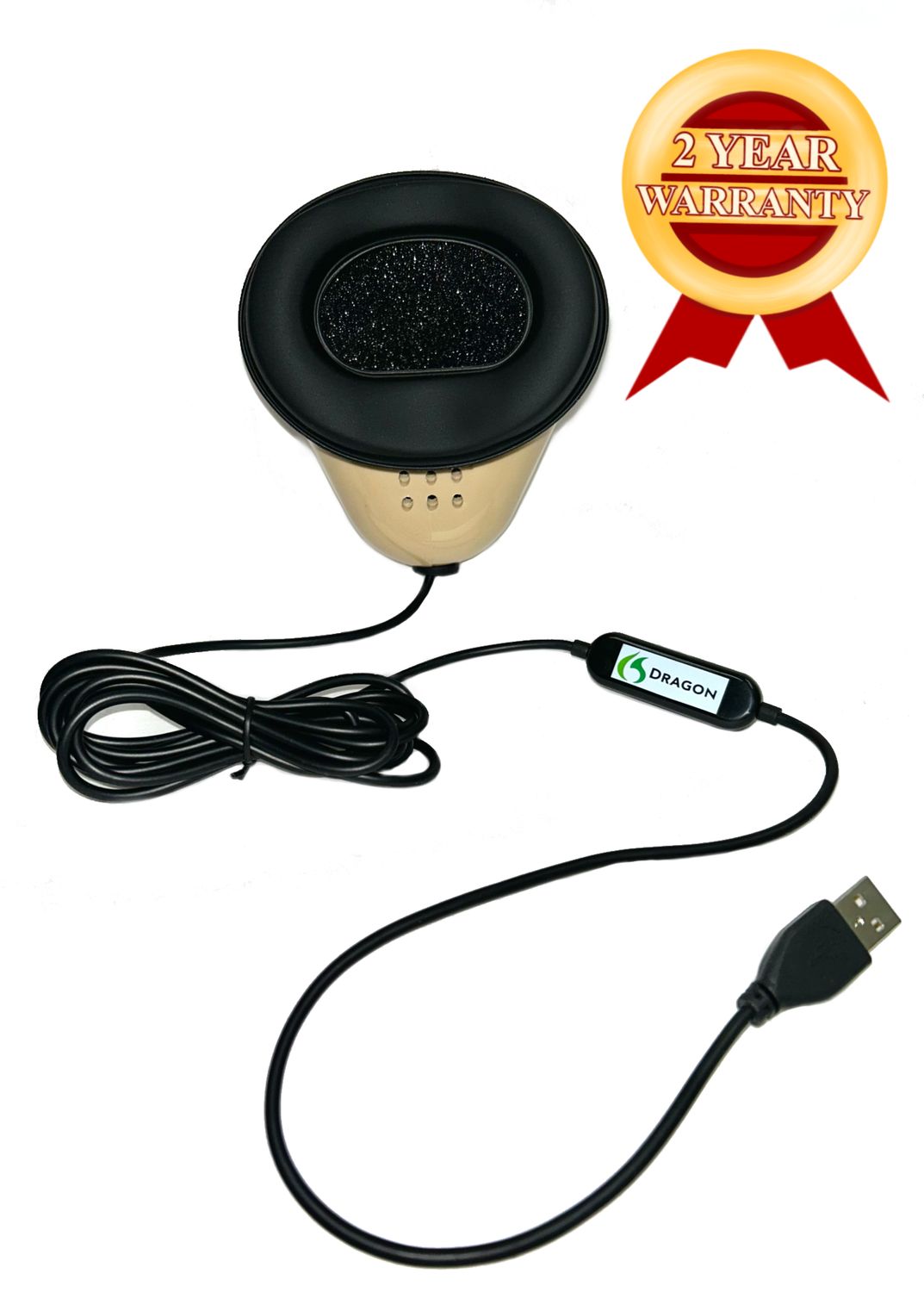
Martel Dragon USB Stenomask with mouthpiece, cable, sound card module, and USB connector for a documented practice setup
Martel Dragon USB Stenomask catalog image. Identify the complete recording path before comparing a practice change.
In this guide

Published November 17, 2026.

A useful stenomask practice session answers one specific question. If you want to know whether a steadier speaking pace helps, keep the microphone connection and recording settings unchanged. If you want to investigate an adapter or computer connection, keep the practice passage and speaking approach as similar as practical. Changing both at once may produce a different result without explaining which change mattered.

Begin with a saved recording you can understand. Then keep three observations distinct: what you intended to repeat, what you actually spoke into the mask, and what the recognition application produced. The difference between those observations helps you choose the next practice task. A microphone cannot supply a word you did not say, and correct spoken words do not guarantee that every application will display the intended text.

This article provides an original practice-session design, sample passages, and ways to record observations. It does not report a completed study, measured improvement, school endorsement, or guaranteed recognition percentage. Use it alongside your instructor's methods and the supported setup instructions for your equipment and software. For a formal comparison of recognition output, see the Stenomask recognition accuracy guide.

Choose one practice question

Write a question that can be answered from a short sample. “Do I omit the first word after a pause when I repeat this passage?” is more specific than “Why is my mask inaccurate?” “Does my position change when I look at the second screen?” is more specific than “Is my setup wrong?” A focused question makes it easier to decide what to record and what to leave unchanged.

Separate questions about the writer's actions from questions about the equipment path. Speaking pace, phrasing, and returning to the normal working position are practice variables. The mask model, adapter, physical connection, selected input, and recording application describe the equipment and software arrangement. A session may eventually address both, but the first comparison should keep the distinction visible.

Choose an observation that would help answer the question. For a missing-word concern, retain the actual spoken sample. For a text-placement concern, note the application and destination where text appeared. For an interruption, identify the phrase or playback point where it happened. A general impression of improvement is harder to act on than an observation tied to a specific event.

Limit the session to a manageable task. You do not need to evaluate vocabulary, endurance, cable routing, recognition profiles, and every application simultaneously. Finish a small comparison, write down the result, and decide whether it suggests another focused test. A clear inconclusive result is preferable to a long session that changes so many things that none can be interpreted.

Establish a working recording baseline

Use Windows 11 and the confirmed microphone connection for your setup. Make a short nonconfidential recording in Sound Recorder, stop it, and play the saved file through the intended speakers. Confirm that the recording contains your words before asking the recognition application to interpret them. The mask-on and mask-off audio guide provides the detailed first-recording procedure and a position comparison.

Name the mask, interface if present, input selection, and recording application in your notes. A Martel Dragon USB Stenomask uses its direct USB route and built-in sound card. An analog mask connected through a confirmed external interface has a different route to document. Keep the record specific enough that another person can understand what produced the baseline file.

If the baseline is silent or consistently unclear, address that problem before using recognition results to judge technique. Otherwise, the practice exercise begins with an unresolved capture problem. Check the intended input and playback path, preserve a short sample, and use the Stenomask troubleshooting guide to organize the investigation.

A successful baseline establishes that the tested arrangement captured understandable speech during that attempt. It is not a promise about every future session. Keep it as a reference that you can return to when a later comparison changes the result. Record the date and conditions without calling the sample a permanent certification of the microphone or computer.

Keep the passage and the spoken performance separate

Use a short original passage that does not contain client information. Save the intended text, but do not assume that it exactly describes what you said. A reader may skip a word, repeat a phrase, or substitute a number. The saved mask recording provides the evidence of the spoken performance. That distinction is essential when deciding whether to work on repetition, capture, or recognition.

Try this passage: “Place the green folder beside the window. The first appointment begins at ten twenty. I counted four envelopes and two small packages. Please read the second line again. The meeting will continue after a short break. We will review page eighteen before closing the file.” Read it at a comfortable pace without trying to achieve a particular score.

For the first pass, compare the spoken recording with the intended text. Mark a departure as a spoken departure if it is actually present in the recording. Do not label it a software error merely because the final text also differs from the script. If the audio is unclear, mark the uncertainty rather than deciding from the script what must have been said.

Then compare the recognition application's initial output with the words that can be established from the spoken sample. Keep the initial text before editing. A corrected document is useful finished work, but it no longer shows the application's first interpretation. Preserving both versions lets you discuss the original behavior and the later correction work without confusing them.

Make a small, repeatable practice block

Divide a short session into preparation, baseline, one changed condition, and review. The duration can fit your class or schedule; the important feature is the order. Save work before closing applications, identify the input, and use the same passage for the compared attempts. Keep the normal working position and avoid adding an unfamiliar accessory halfway through a technique exercise.

Make two baseline attempts when practical. This helps reveal ordinary variation before you attribute a difference to the next change. If the two baselines already differ substantially, describe that variation and consider whether the task or setup needs to be made more consistent. Do not choose only the better baseline because it makes the comparison look clearer.

Apply one planned change, such as using a more consistent phrase boundary or returning to the same position before each sentence. Make another pair of attempts. Label the conditions by what changed, not by the result you hoped for. “Consistent phrase breaks, attempt one” is more informative than “improved technique.” It remains meaningful if the result is unchanged.

Review the saved evidence before making another change. Write the observed difference, the uncertainty, and the next question. If the session does not answer the question, that is a useful limit to record. Avoid extending the practice indefinitely until one favorable attempt appears and then treating that isolated attempt as the representative outcome.

Practice phrasing without changing the audio settings

Choose a phrasing goal that comes from your instruction or the problem you observed. It might be finishing a phrase without dropping its final word or maintaining a comfortable pace through a sequence of numbers. Keep the microphone input level, connection, and selected device unchanged while examining that goal. This helps separate a change in delivery from a change in captured level.

Read the same short passage in your usual manner, then repeat it using the single planned phrasing adjustment. Do not deliberately whisper or shout to force a contrast. A practical comparison should relate to a speaking approach you could use comfortably during normal work. If the adjustment feels difficult to sustain, note that as part of the observation rather than judging only the text output.

Listen for what you actually supplied to the microphone. Did you complete the number? Did two phrases run together? Did a restart create a repeated word? These are observations about the spoken performance. They can be discussed with an instructor without asserting that the microphone or recognition software caused them.

Keep recognition observations alongside, rather than inside, the delivery notes. For example, write “I repeated the number in the audio” and separately “the initial text contains both repetitions.” That distinction helps prevent a faithful software transcription of repeated speech from being counted as an unexplained recognition defect.

Practice position as its own variable

Arrange the chair, screen, and mask so you can use the normal supported position without pulling the cable. Begin with ordinary speech while looking at the primary reference. Then make a separate attempt that includes the movement relevant to your problem, such as glancing at a second screen. Keep the movement modest and describe it accurately.

The purpose is to discover whether a change in your working position coincides with a change in the saved speech. It is not to prove a particular physical mechanism. If the recording changes when you turn, note what moved: your head, the mask, the cable, or several things together. A useful follow-up narrows that combination rather than immediately blaming one component.

Do not force the mouthpiece against your face or alter the assembly to keep a position. Follow the equipment's instructions and your training. If fit or comfort is the issue, identify the current mouthpiece and ask about a supported arrangement. The Stenomask accessories guide explains the distinct roles of mouthpieces, inserts, stands, and interfaces.

Keep the position exercise separate from outside-sound evaluation. The mask's own recording tells you what its microphone path captured. It does not establish what another person in the room heard. If outside sound is the concern, use the sound leakage and fit guide with a separate listening arrangement.

Investigate phrase starts after pauses

If the first words after a pause are the concern, create a passage with several short phrases and natural pauses. Use simple words that are easy to identify in playback. For example: “Blue folder on the desk.” Pause. “Three pages in the file.” Pause. “Second meeting after lunch.” Record the actual timing instead of assuming a particular pause length will reproduce the behavior.

First determine whether the phrase beginnings are present in the simple saved recording. If they are missing there, the issue is already visible before recognition text is considered. If they are present in that sample but absent in a later application's output, document the difference. These observations narrow the next question without proving which setting or component is responsible.

Avoid replacing a missing beginning with a guess from the script. Mark it as unclear or absent according to what the file supports. If the same phrase is sometimes complete and sometimes incomplete, keep both examples. Intermittent behavior deserves a description that includes the conditions and frequency of the observed attempts, rather than a claim that it always happens.

When the issue appears only in a longer integrated session, reproduce the workflow in stages using practice material. Begin with the simple recording path, then the recognition application, then the supported reporting integration, and finally any meeting application that is part of the task. Record the stage at which the symptom appears. Do not change the mask and several settings at the same time.

Treat an equipment change as a separate comparison

An equipment comparison begins with a confirmed supported configuration. If you use an analog mask and a USB-SA microphone adapter, record both identities. Confirm that the proposed alternative connection is suitable before testing it. A physically matching plug is not sufficient evidence of microphone compatibility.

Keep the passage, application, and speaking approach consistent while comparing the supported arrangements. Identify the selected input after reconnecting equipment. A new physical connection may appear under a different device name, and an application may retain its own selection. The comparison should establish what each actual route captured, rather than assume that changing a cable automatically changed the application's input.

Do not change an adapter during a recording and describe the resulting interruption as a fair comparison of normal operation. Stop, save, change the supported arrangement, confirm the input, and make a new labeled sample. This gives each configuration a completed recording that can be reviewed on its own.

A direct USB mask and an analog mask with an interface are different complete arrangements. If both the mask and interface change, say so. The result cannot be attributed to the adapter alone. Use the Stenomask buyer's guide to choose a supported connection plan before treating an equipment difference as evidence for a purchase.

Record observations without inventing a score

Keep a short session note with the date, practice question, equipment path, passage, planned change, file names, and observed result. Add the application version or relevant setting when it affects the comparison. You do not need a complicated spreadsheet for a short exercise, but the note should let you distinguish today's sample from a similar one made last week.

Use concrete language. “The first word is present in both simple recordings and absent from one initial text result” is actionable. “The mask is ninety-nine percent better” is not supported by that observation. A percentage requires a defined method, denominator, and consistent counting rules. Do not produce a number merely because it sounds more authoritative than a clear description.

Keep uncertain words uncertain. If the recording does not let you establish what was spoken, mark that limit. Do not award the software a success or failure based only on the intended passage. If a second listener helps, retain the listener's uncertainty rather than showing the script and treating the completed sentence as independent evidence.

For longer evaluation, use the dedicated recognition accuracy guide's distinctions and method. This practice article concentrates on making a small comparison interpretable. Its value is the connection between a planned change and a documented observation, not the creation of an impressive result that cannot be reproduced.

Three fictional practice decisions

A student notices that the first word of a sentence is sometimes absent from the intended passage comparison. The saved mask audio shows that the student began with the second word on those attempts. The next practice task focuses on the start of repetition. That observation does not require a new microphone or prove anything about the recognition application's handling of words that were never spoken.

A different practice sample contains the complete phrase in Sound Recorder, but the recognition application's initial text omits its beginning. The student records the input choices and application conditions, preserves both results, and investigates the recognition path with the appropriate support. The conclusion is limited: the two tested tasks produced different outcomes. The example does not identify a universal software fault.

A writer changes the microphone adapter, speaking volume, and mouthpiece in one session and hears a different result. The useful next step is to return to a known supported arrangement and compare one planned change at a time. The earlier result is not discarded, but its limitations are recorded. It cannot establish which of the three changes caused the difference.

These are fictional examples of how evidence can guide a practice decision. They are not reports about individual students, schools, or measured Martel product performance. Your own next step should follow the recordings and conditions you actually observed.

Turn the result into the next action

If the spoken performance explains the difference, choose one practice target and discuss it with your instructor when appropriate. Keep the equipment baseline stable long enough to assess that target. If the saved capture is unclear or interrupted, organize a technical description and use the Martel repair and support form. Include a short original practice sample when requested.

If the connection requirement has changed, describe the destination and equipment through the Martel contact form. The Dragon USB Stenomask and MM-18 analog Stenomask belong to different connection plans. Choose the product that fits a confirmed need, then verify the completed arrangement through saved audio.

End the session with a clear record of what was learned and what remains unresolved. Keep the baseline, changed-condition samples, and initial text together. A later session can then begin with evidence instead of repeating every adjustment from memory. Progress comes from making the next question more specific and the next comparison easier to interpret.

Read a pause exercise across three records

Try this practice sentence with a planned pause after the first clause. Say “The calendar is on the desk,” pause, then say “Friday is marked in blue.” Save the microphone recording, preserve the first text produced by recognition, and keep the printed passage. Listen for Friday without looking at the text. When the audio contains Friday but the first recognition text begins with “is marked,” record that exact difference. If the spoken phrase starts with “is marked” too, the printed script alone cannot tell you why Friday was missing.

On the next pass, change the second clause to “Monday is marked in green.” Keep the input and application the same. Changing the words gives the listener something fresh to identify and helps avoid filling in a familiar phrase from memory. If the exercise gets harder after several repeats, record the point at which your delivery changed and take a break. A short pair with a clearly documented pause is more useful to an instructor than a long practice file with no marker for the missing word.

30 questions and answers about stenomask practice comparisons

1. What makes a practice question specific enough?

It names a behavior you can observe in a short sample and the condition you want to investigate. “Is the first word present after each pause?” is more useful than “Is my setup accurate?” A specific question helps you choose the passage, files, and notes needed for review. It also prevents a single session from becoming an uncontrolled mixture of vocabulary practice, hardware changes, and application troubleshooting.

2. Why keep the equipment unchanged during a technique exercise?

Keeping the equipment path stable makes it easier to interpret a difference associated with the planned practice change. If you also replace an adapter or change input level, those changes become possible contributors. A different outcome may still be worth noting, but it answers a less specific question. Record any unavoidable changes and avoid presenting the result as evidence for technique alone when the setup changed too.

3. Why is the printed passage not proof of what I said?

A speaker can omit, repeat, or substitute a word while reading or repeating material. The printed passage records the intention; the saved audio records what the microphone path captured. Compare those separately before evaluating recognition output. If the audio is unclear, retain that uncertainty rather than assuming the intended word must have been spoken. This distinction helps direct practice toward the actual source of a difference.

4. What should I keep from the recognition application?

Keep an untouched copy of the initial text result before making corrections, along with the sample identity and relevant application conditions. A corrected document no longer shows the first output. It can still be retained as a separate finished version. Label the two clearly so an instructor or support person can understand whether a word was initially recognized, added during review, or changed after listening again.

5. Why make two baseline attempts instead of one?

Two attempts can reveal ordinary variation before you interpret the next condition. If the baselines differ greatly, one later favorable sample may not show a repeatable improvement. This is a practical starting method, not a formal statistical requirement. Keep both attempts, including the less successful one, and describe the variation. A consistent baseline makes the next focused comparison easier to discuss and reproduce.

6. Must I calculate an accuracy percentage for every session?

No. A short practice question can often be answered with a precise observation about a phrase, word, or application behavior. A meaningful percentage requires a defined reference, counting method, and denominator. Do not create a number from an impression. When you want a fuller recognition evaluation, use the dedicated accuracy guide and preserve the spoken reference and initial output needed to apply a consistent method.

7. What kind of practice material should I use?

Use short, nonconfidential material that you can repeat and review. Original sentences with ordinary words, a few numbers, and clear phrase boundaries work well for the comparisons described here. Avoid real case details or client information merely to reproduce a setup problem. If an instructor supplies material, follow the permitted use and sharing conditions. Keep the intended text with the sample while distinguishing it from the actual spoken performance.

8. Should I slow down as much as possible?

Choose a comfortable approach that relates to your training goal, and change pace only when pace is the variable you are examining. An exaggerated slow demonstration may not explain what happens during normal practice. Record the intended change clearly and compare the saved speech. If the adjustment is difficult to maintain, note that practical limit rather than judging the session only by a favorable short text result.

9. Should I increase my voice volume to help recognition?

Do not automatically raise your voice during a comparison of another variable. That adds a change in delivery and may alter the captured signal. Use a comfortable speaking effort and follow the supported microphone setup for your configuration. If speaking level is the specific question, test it separately and preserve the original samples. A louder recording is not necessarily a clearer or more useful one.

10. How do I investigate a change when looking at another screen?

Make one sample in your usual reference position and another that includes the ordinary movement toward the second screen. Describe what moved and keep the connection and settings unchanged. Listen to the saved speech for a repeatable difference. Do not immediately attribute the result to one mechanism if the mask, head, and cable all moved together. A follow-up comparison can narrow those conditions further.

11. How should I test words missing after a pause?

Use several short phrases separated by natural pauses and inspect their beginnings in the saved recording. Then compare the relevant application output under documented conditions. State whether the word is missing from the audio, the text, or both. Keep intermittent examples as well as successful ones. The comparison can identify where the difference appears without proving a particular setting or hardware component is responsible.

12. What if I restart a phrase while speaking?

Keep the restart in the spoken reference and note it. If the application reproduces words you actually repeated, that is different from inventing words absent from the audio. You can practice reducing unwanted restarts as a separate delivery goal. Do not silently replace the actual performance with the cleaner printed passage and then count every difference as a recognition failure. The recording supplies the relevant context.

13. How can I practice numbers without confusing the comparison?

Use a short passage with a few clearly identified numbers, and listen to what you actually spoke. Keep the intended wording beside the sample, but distinguish spoken substitutions from text interpretation. If you change the way numbers are phrased, identify that as the practice variable. Avoid combining new phrasing, a new microphone setting, and a new recognition configuration in the same first comparison.

14. What if the problem is an unfamiliar name or term?

First establish whether the spoken term is understandable in the saved audio and whether the intended input is selected in the recognition application. A vocabulary issue is different from an interruption in capture. Follow the software's supported vocabulary and profile procedures when that is the relevant next step. Keep the initial result and avoid claiming the mask caused every unfamiliar-word error simply because the microphone supplied the audio.

15. Should punctuation errors be treated as microphone failures?

Not automatically. Describe the actual spoken commands or phrasing and the application's resulting text. Punctuation behavior may involve how the software is configured and used, so it should be investigated under its supported instructions. Keep the microphone capture question separate: did the saved audio contain the intended speech? A punctuation result alone does not establish that a physical mouthpiece, cable, or adapter needs replacement.

16. How should I describe text that appears late?

Describe when you spoke, where the text eventually appeared, and the application arrangement in use. Keep delayed display separate from words missing in a saved recording. If possible, reproduce the behavior with a short practice task and identify which programs were open. Avoid a diagnosis such as “the microphone has a delay” unless the evidence actually establishes that part of the path as the source.

17. What if the words appear in the wrong application?

Record the intended destination and the actual destination, along with the action immediately before the result. That is a text-placement or workflow observation rather than proof of poor microphone capture. Save work and follow the application's supported focus and dictation procedures. A clear recording can help establish that speech was supplied, while the destination issue is investigated separately without unnecessary changes to the microphone assembly.

18. Why add other applications back one at a time?

A staged return helps identify the condition under which a previously absent symptom appears. Start from the working simple task, then add the supported recognition, reporting, and meeting components relevant to your workflow. Keep notes on the order and inputs. The result does not automatically prove that the last application is defective, but it gives support a narrower and more reproducible situation to investigate.

19. Can I compare two adapters during a technique session?

Make that a separate equipment comparison after confirming both proposed arrangements are suitable for the mask and computer. Keep the speaking task consistent and identify the actual selected input for each sample. If the adapter changes during a technique exercise, record it as an additional variable. Do not attribute a different result solely to phrasing when the audio route also changed between attempts.

20. What should remain the same in an equipment comparison?

Keep the practice passage, application, speaking approach, and playback method as consistent as practical, while recording any necessary configuration differences. Stop and save before changing the supported equipment arrangement. Confirm the new input before recording again. If the mask and interface both change, describe the comparison as two complete arrangements rather than pretending it isolates the performance of the interface alone.

21. What should an instructor ask a student to bring?

A concise practice question, the equipment path, the intended passage, the saved spoken sample, and the initial text output provide a useful starting set. The student should also identify the one planned change and any conditions that varied unexpectedly. This lets the instructor distinguish delivery practice from capture or application questions. It avoids relying only on a corrected document or a general statement that the mask did not work.

22. Can a second listener help assess the audio?

Yes, particularly when the speaker already knows the passage and may fill in unclear words from memory. Ask the listener to state what was actually heard and preserve uncertainty. When practical, let the listener hear the sample before seeing the script. Treat the result as an informal observation, not a standardized score. Keep the playback device and listening conditions consistent across the samples being compared.

23. Should the listener know which sample is supposed to be better?

Avoid suggesting a preferred result before the first listening pass. Labels that describe the condition, or neutral sample labels with a separate key, can reduce pressure to confirm an expectation. The purpose is to obtain a useful description of the speech, not agreement with a prediction. This informal practice does not turn the exercise into a controlled laboratory study, but it can make the notes more candid.

24. What belongs in a short practice log?

Include the date, question, mask and interface, selected input, application, passage, file names, planned change, and observed result. Add relevant settings or versions when they affect interpretation. Keep the log short enough to use consistently. Its purpose is to connect each observation to the actual conditions, so a later session does not have to reconstruct the setup from memory or ambiguous names such as “good recording.”

25. What if my speaking performance changes as the session continues?

Record the order of attempts and the change you notice. Later samples may differ for reasons beyond the planned variable, so avoid treating time order as irrelevant. Keep the comparison manageable and take the normal breaks appropriate to your training. If the first and last samples are not comparable, say so. A later session can repeat the focused question under more consistent conditions without forcing a conclusion today.

26. When should I stop and ask for technical help?

Ask for help when the basic supported recording path remains silent, unclear, or interrupted after the straightforward input and playback checks, or when a model-specific connection question is unresolved. Preserve a short practice sample and the equipment details. Do not keep modifying parts or changing multiple settings merely to continue the exercise. A concise description of the repeatable symptom gives support a useful place to begin.

27. Can I overwrite the initial text after correcting it?

Keep the initial output when it is part of the comparison. Save the corrected version separately so you can distinguish recognition behavior from the work performed during review. Overwriting the first result removes evidence that may explain the problem. Use names that connect both versions to the same audio sample, and follow the storage and handling practices appropriate to your practice environment and supplied material.

28. Can I reuse a baseline from a different computer setup?

It can remain a historical reference, but it should not be presented as an unchanged baseline for a different arrangement. Record the computer, connection, application, and relevant settings associated with each sample. When the current setup changes materially, make a new simple recording before the next comparison. This preserves the distinction between a change in the practice variable and a change in the system producing the audio.

29. What should I tell Martel when asking for support?

State the equipment path, the specific symptom, the application in which it appears, and the result of the simple saved-recording test. Identify the files that demonstrate the difference and any recent change as an observation. Use the repair and support form and follow the response instructions for supplying samples. Do not send private proceeding audio when an original short practice passage can demonstrate the same issue.

30. When is a different Martel product the right next step?

A product change is useful when it answers a confirmed requirement, such as a different supported connection or an identified replacement need. It should not be the automatic response to an unexplained text result. Describe the destination, current mask, interface, and observed limitation through the contact form. Choose a complete supported arrangement, then verify its saved audio before attributing later application behavior to the new hardware.