TIME IS RUNNING OUT FOR 2026 TAX WRITE-OFFS

Martel Electronics | 14 hours ago

Stenomask Replacement Parts: Identify SS1, SS4, and Foam Filters

Identify Martel SS1 and SS4 mouthpieces, single foam inserts, and 12-packs using product photos and exact SKUs. Includes ordering examples, fit-confirmation guidance, and 30 FAQs.

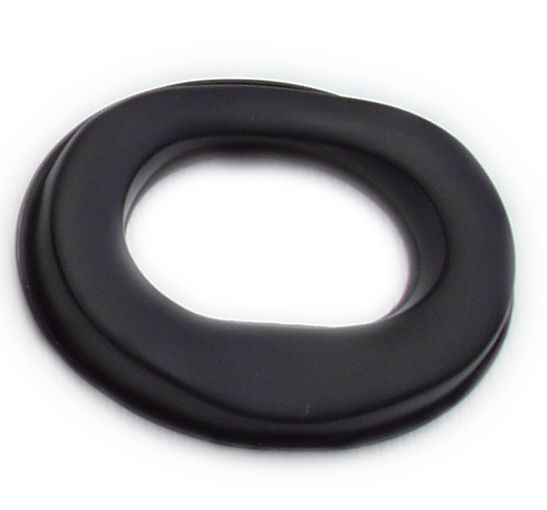
Martel SS1 replacement stenomask mouthpiece with dark continuous rim and central opening
SS1 standard replacement mouthpiece, SKU 373. Catalog photograph for item identification; confirm the exact mask-and-part fit.
In this guide

Published November 17, 2026.

Start a stenomask replacement-parts order with two identities: the mask you own and the part you need. The mouthpiece is the surface around the opening that meets your face. The foam insert is a different component. An audio adapter is different again. Identifying these parts separately helps you order the intended replacement and describe an unfamiliar or older mask accurately.

This reference covers four Martel catalog items: the SS1 standard replacement mouthpiece, the SS4 Soft Seal mouthpiece, a single replacement foam insert, and the 12-pack of foam inserts. It uses Martel's own product photographs and current item identifiers. The photographs identify the listed parts; they are not photographs of a physical compatibility test on every mask model.

Use the linked product pages for current ordering information. When the exact mask-and-part combination is uncertain, confirm it with Martel before ordering or fitting the part. A similar outline, color, or product-family name does not establish that two components are interchangeable. For a broader discussion of stands, adapters, and workstation accessories, see the Stenomask accessories and setup guide.

Four catalog items at a glance

Martel itemSKUOrder unitIdentification note
SS1 standard mouthpiece373One mouthpieceListed for Martel Mini Stenomasks; confirm the exact model.
SS4 Soft Seal mouthpiece372One mouthpieceSeparate cushioned option; confirm compatibility.
Single foam filter375One insertListed as a replacement insert for Martel Mini Stenomasks.
Foam filter 12-pack992One pack of twelve insertsConfirm mask fit before planning a shared supply.

Identify the part before choosing an item

Describe the location and function of the piece you want to replace. “The soft surface around the opening” points toward a mouthpiece question. “The foam insert inside the mask” points toward a filter question. “The device between my analog plug and the computer” is an audio-interface question. Each description leads to a different product, even though all three may be called an accessory in ordinary conversation.

Next, identify the mask itself. Look at your order record, the model information supplied with the equipment, and any visible model identification. Include the connection type in your note, but do not use that as the only model identifier. Different masks can share a connector type, and a connector does not describe the dimensions or attachment of a mouthpiece.

If the name is uncertain, describe the complete assembly without taking it apart. A photograph of the front, a photograph of the side, and a photograph of the connector can help explain what you own. Include the existing part in place. Do not remove a component solely to create a photograph if you do not have the correct removal instructions.

Keep the mask identity separate from the replacement SKU. SKU 373 identifies the SS1 catalog item, not the model number of every mask that might use it. SKU 372 identifies the SS4 listing. The foam listings have their own identifiers and quantities. Writing both identities prevents a purchasing note from becoming ambiguous when someone else places the order.

SS1 standard mouthpiece: SKU 373

The SS1 Stenomask mouthpiece is listed as a standard replacement mouthpiece for Martel Mini Stenomasks. Its catalog photograph shows a dark, continuous rim around the central opening. Use the item name and SKU together when discussing it, especially if you are replacing a part purchased some time ago.

The photo is useful for recognizing the kind of part being sold. It is not a dimensioned drawing, and the size on your screen depends on the device and zoom level. Do not measure the displayed photo with a ruler and treat that measurement as the part's actual size. If dimensions are needed to resolve a fit question, ask for the applicable product information.

The published Mini Stenomask description should not be silently expanded into a claim that this part fits every mask ever sold under the Martel name. Give Martel the exact model and, when relevant, the older order details. If a part has already been modified, repaired, or replaced with an uncertain component, mention that history because it may affect identification.

Consider the SS1 when you need the standard replacement described in its listing and the fit is confirmed for your equipment. The buying decision should be about restoring the intended assembly. Do not describe a standard replacement as a guaranteed recognition upgrade or a universal remedy for muffled audio. Confirm the part, fit it according to the correct instructions, and check the completed setup with saved speech.

SS4 Soft Seal mouthpiece: SKU 372
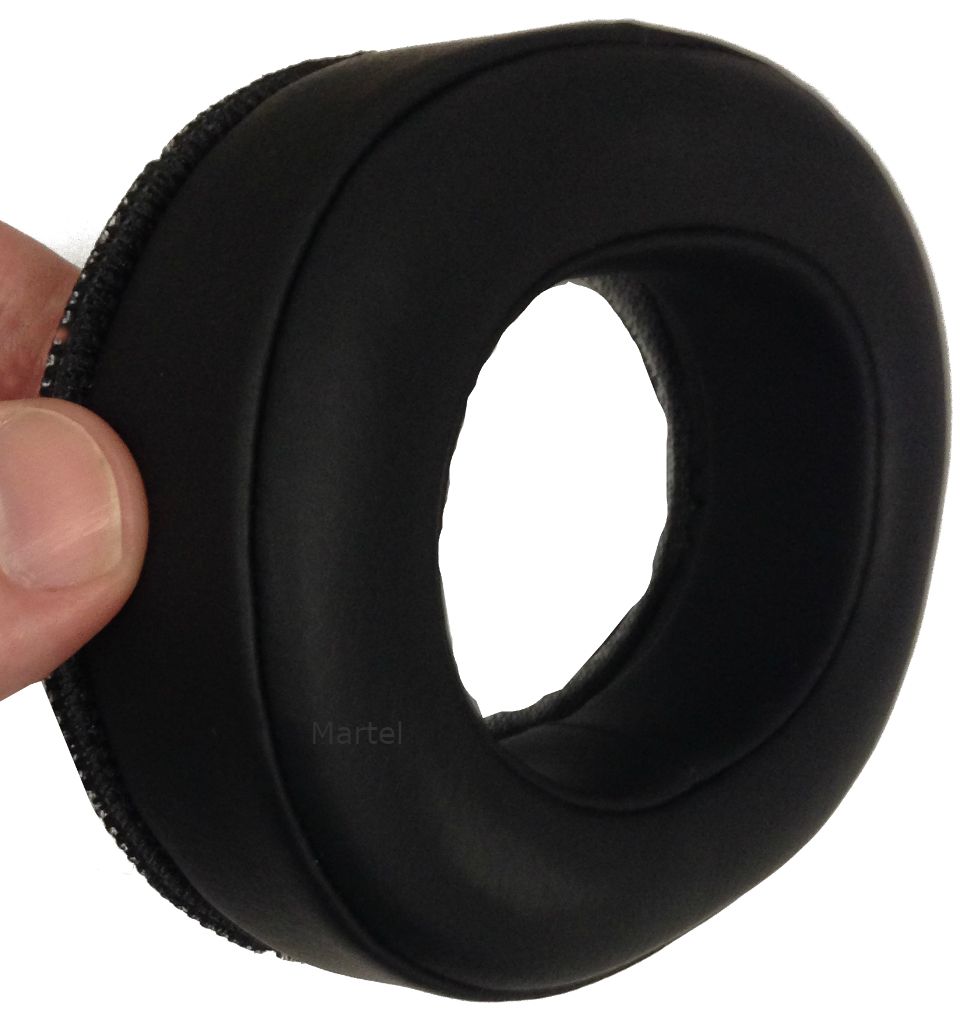
Martel SS4 Soft Seal mouthpiece showing its cushioned contact surface and central opening
SS4 Soft Seal mouthpiece, SKU 372. This separate catalog item requires confirmation for the intended mask.

The SS4 Soft Seal mouthpiece is a separate Martel replacement-mouthpiece option for compatible stenomasks. Its catalog photograph shows a cushioned contact surface around the opening. Compare it with SS1 by item identity, supported fit, and the working feel you are trying to achieve, using the current product information for the details of the offer.

A thicker-looking contact surface in a photograph does not provide a measured comfort score. Comfort depends on the person and the working position, and a photo cannot establish how the assembly will meet your face. Describe the issue you are trying to address, such as needing a replacement for an identified SS4 or asking about a supported alternative to your current mouthpiece.

Keep a change of mouthpiece separate from changes to input level, microphone adapter, or recognition settings. If you install a confirmed replacement and also change several software settings, a different recording result becomes harder to explain. A short before-and-after practice sample is more useful when the recording connection and settings remain the same.

Use the care instructions intended for the actual SS4 part. Do not assume that a method used on another material, another mask component, or the exterior of the microphone assembly is appropriate for this contact surface. When those instructions are missing, request them before applying a cleaning product or attempting to detach bonded or fitted components.

Single foam insert: SKU 375
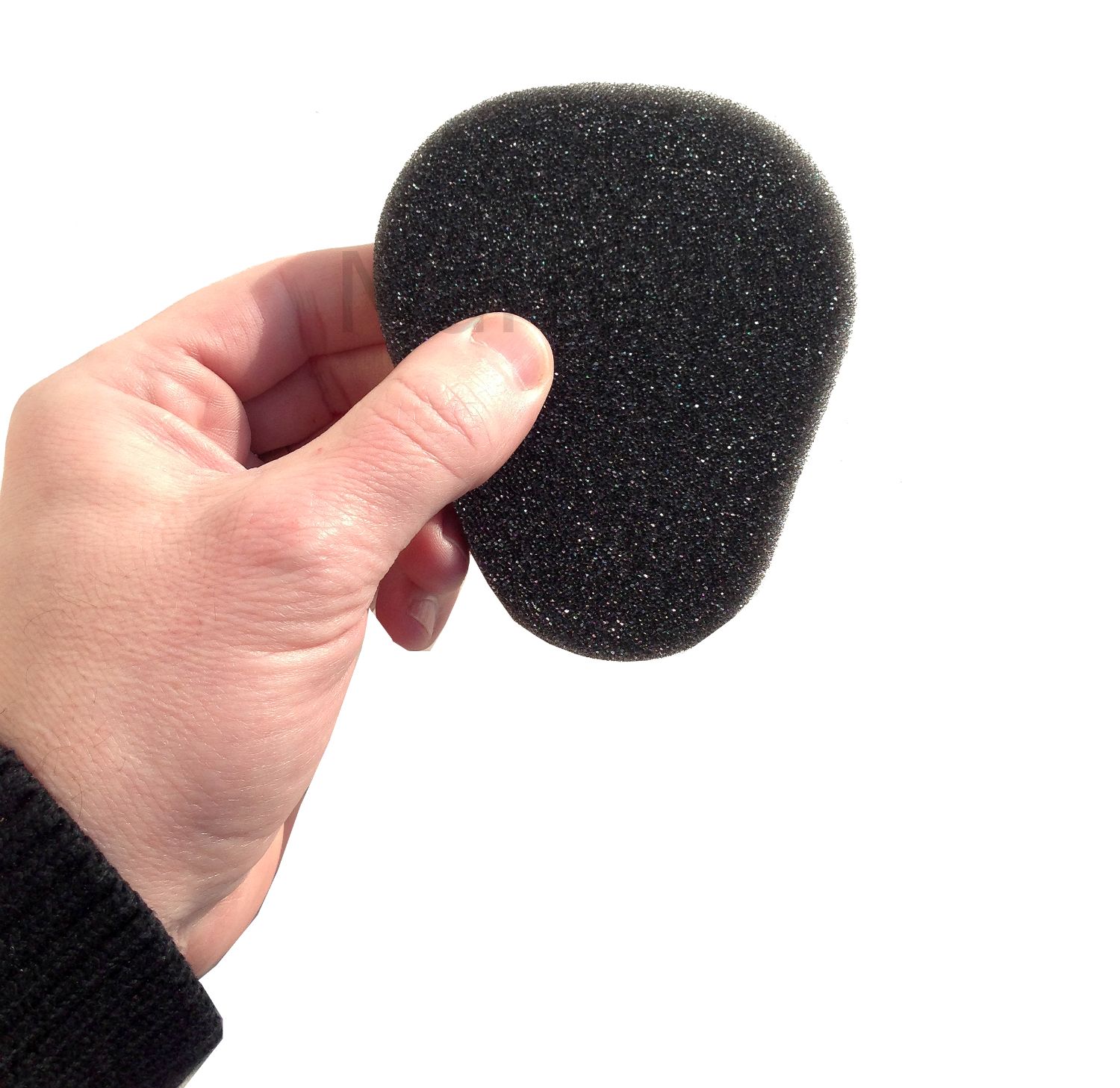
Individual black Martel stenomask foam replacement insert held for a product photograph
Single replacement foam insert, SKU 375. The insert is a separate component from the mouthpiece.

The single Stenomask foam filter is listed as a replacement foam insert for Martel Mini Stenomasks. It is a foam component, not a complete microphone or mouthpiece. The catalog photograph shows the individual insert, making it easier to distinguish from the surrounding rim of a mouthpiece when describing an order.

A single insert can suit a confirmed immediate replacement need or a small spare supply. Establish the intended mask fit before deciding how many to buy. Ordering one uncertain part first does not replace compatibility confirmation, and ordering several uncertain parts multiplies the same identification problem.

The word “silencing” in a product name does not establish a measured sound-reduction result for your assembled mask. Outside sound, the microphone's internal recording, and recognition output are different outcomes. Choose the specified replacement for the intended assembly, then evaluate the particular result you care about using the appropriate procedure.

Do not trim an insert to make an uncertain match appear to fit, stack extra pieces, or substitute unrelated foam based on color. Those actions create a different assembly from the one described by the product. If the replacement seems unlike the removed part, stop and compare the item information with Martel before proceeding. Keep the package label and order details available.

Foam insert 12-pack: SKU 992
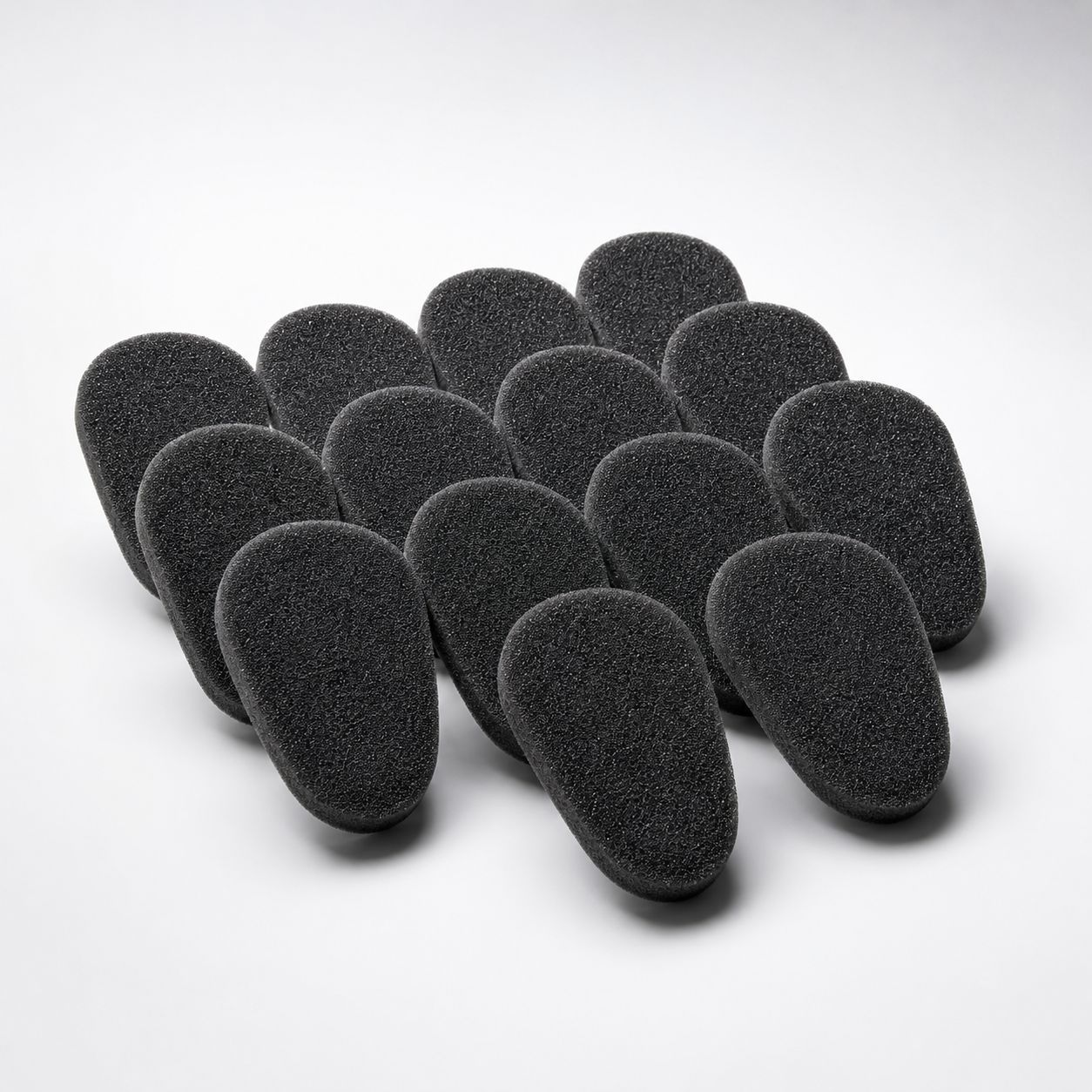
Group of black foam replacement inserts from the Martel stenomask 12-pack catalog listing
Catalog image for the 12-pack listing, SKU 992. Use the listing and order confirmation to identify the purchased quantity.

The 12-pack of Martel Stenomask foam inserts is the quantity option to review when you need a planned supply of compatible replacement inserts. The current listing identifies a pack of twelve. Read the order quantity as the number of packs, then calculate the number of individual inserts that the order represents.

For example, two packs of twelve represent twenty-four inserts. That is simple inventory arithmetic, not a claim about how many months a package will last. Actual replacement needs depend on the applicable care instructions and how the equipment is used. Do not convert pack quantity into a universal maintenance interval without that information.

For a school or office, count compatible masks and the planned spare allocation separately. A class may have several mask models or equipment supplied at different times. A shared supply should be organized around confirmed compatibility, not the assumption that every student's mask uses the same insert. Keep the part identity visible on the storage container.

The pack photo is a catalog illustration of the supplied type of item. Use the listing and the order confirmation to verify the purchased quantity. When the shipment arrives, count the actual items and retain the label. A clear receiving record makes it easier to distinguish a supply shortage from a later distribution or inventory problem.

Make a useful model-and-part record

Create one brief record for each mask or confirmed group of identical masks. Include the mask model, the replacement item name, the SKU, the quantity format, and the basis for the fit confirmation. “SS1, SKU 373, fit confirmed for the mask identified in this order” is more useful than “black mouthpiece.” Keep the record with the equipment information rather than relying on memory.

The basis for confirmation matters. It may be the current model-specific product instructions, a clear statement in the listing, or a response from Martel about your identified equipment. Record what was actually confirmed. A statement that a part suits a product family should not be rewritten as a broader promise about all older or modified versions.

If you have not yet confirmed the combination, mark it as unresolved and ask a focused question. Supply the mask model, the existing part, and the proposed item. This makes the next action clear without pretending to have a complete compatibility chart. An honest blank is more useful than a guessed checkmark when someone later relies on the record to order supplies.

Photographs can support the record when they show the actual equipment clearly. Use one view of the complete mask and another of the part in its normal installed position. Include a label or order reference when available. Avoid private work documents in the background, and do not infer hidden dimensions or internal construction from the photograph alone.

Order the right quantity without mixing units

Write the unit beside every quantity. “Three single inserts” differs from “three 12-packs.” “One SS4 mouthpiece” differs from “one complete stenomask.” These distinctions are especially useful when a teacher requests supplies and another staff member places the order. The person purchasing should not have to infer the unit from a short message.

Separate immediate replacements from reserves. A request might identify two confirmed replacements needed now and a separate quantity for future use. That division helps the buyer understand which items affect current readiness and which are part of supply planning. It also prevents reserve stock from being counted as already installed equipment.

Use current product-page pricing when comparing a single-item order with a pack order. Include the actual quantity you intend to purchase and the applicable checkout details. This article deliberately does not freeze a price or claim a permanent per-unit saving. The product offer and the complete order should supply those figures at the time you buy.

For a school purchase, keep student or equipment assignments distinct from the supply total. A simple internal list can show which confirmed model receives each part without including private academic or personal details in the supplier request. If you need a written purchase document, use Martel's written quote request and name the items and units explicitly.

Inspect the delivery before changing the mask

Compare the delivered item label with the order confirmation and your model-and-part record. Check the item name, SKU if shown, and quantity. Examine the package and the visible part for an obvious mismatch or damage. Do this before discarding identifying packaging or fitting the item to a mask, so a question can be discussed using the original evidence.

Keep the old and new components distinguishable during the replacement process. Place them separately and avoid mixing parts from several masks on the same work surface. If you are supporting multiple students, work with one identified assembly at a time. A part that was correct for one mask should not become an unidentified spare for another.

Follow the installation instructions for the particular mask and component. This reference identifies the products and the information needed to select them; it is not a disassembly manual. Stop if the part requires unexpected force, does not seat as instructed, or appears to interfere with the normal assembly. Do not use cutting, adhesives, or improvised fasteners to resolve an uncertain fit.

After the approved replacement, inspect the assembled mask in the normal working position and make a short saved practice recording. Check that ordinary handling does not pull on the microphone cable or disturb the part. If the result differs unexpectedly, keep the sample and describe the change. Do not discard the earlier reference recording before the new arrangement has been reviewed.

Compare a replacement fairly

Before changing a functioning but worn replaceable part, make a short nonconfidential reference recording when practical. Name the mask, component, connection, and recording application. Use a simple passage that you can repeat afterward. The reference documents the previous setup without claiming that its condition was ideal or that the new part must sound better.

After installing the confirmed replacement, use the same recording route, position, and settings for the first comparison. Listen to the saved files through the same playback device. Note the actual words you can understand, any interruptions, and any change in handling or fit. Keep a comfortable listening volume and distinguish a louder file from a clearer one.

For a position-related question, use the mask-on and mask-off audio test. It explains how to compare the same mask in two positions and what the difference can reasonably suggest. A clearer sample does not establish that a particular part has a measured accuracy advantage, and a different sample does not by itself identify a defective component.

If the concern is sound heard outside the mask, use the sound leakage and fit evaluation guide. Keep that result separate from internal microphone capture. A replacement-part decision becomes more useful when it addresses the actual issue rather than combining comfort, outside sound, captured audio, and recognition text into one unexplained judgment.

Keep care instructions attached to the part identity

Store the applicable care information with the item record so you can find it again. A mouthpiece, foam insert, cable, and microphone assembly are different components. A cleaning method that is suitable for one should not be assumed suitable for all. When instructions are incomplete or the part is uncertain, ask for clarification before choosing a chemical or cleaning process.

Avoid inventing a universal replacement calendar from the number of pieces in a package. Follow the current instructions for your equipment and inspect the condition during your normal preparation routine. If the published recommendation and your actual condition appear inconsistent, describe the use and condition to Martel. A supply plan should support the required maintenance rather than determine it.

Keep unused replacements identified and protected according to the supplied guidance. Separate them from removed components so a used piece cannot be mistaken for new stock. For shared supply management, record quantities received and issued in ordinary units. A label reading “SKU 992, one unopened 12-pack” conveys something different from “twelve loose inserts, compatibility record attached.”

Do not represent an ordinary replacement accessory as sterile, medically protective, or certified for infection control unless the actual product documentation makes that specific claim. The products in this reference are stenomask accessories. For school or workplace handling, follow the applicable equipment and organizational instructions without adding unsupported health claims to the product description.

Three fictional ordering situations

A voice writer knows the mask model and has an order record identifying SS1 as the installed mouthpiece. The writer asks for the current SS1 replacement, confirms the model fit, and orders one mouthpiece. The foam remains a separate item in the equipment record. This avoids treating the entire assembly as a single unnamed “pad” and accidentally ordering the wrong component.

A school maintains several identical masks with confirmed foam compatibility. The supply coordinator needs twelve inserts for a planned allocation and twelve for reserve stock. The request states two 12-packs, twenty-four inserts total, with the model information attached. The arithmetic is transparent to the buyer and receiver. The example does not set a replacement schedule or imply that a particular school has adopted this arrangement.

A customer has an older mask and an unfamiliar cushioned mouthpiece. Instead of ordering SS4 solely because the photo looks similar, the customer provides the available model information and clear photographs. The fit question is resolved before purchase. If the component cannot be identified from that information, the next step is further support guidance, rather than making the uncertain part fit by modification.

These examples are planning illustrations. They are not customer testimonials or reports of completed Martel fit tests. Their shared principle is practical: keep the equipment identity, part identity, quantity, and confirmed fit together from the first request through receiving and installation.

Choose the next useful Martel resource

For an identified replacement, open the product page for SS1, SS4, the single foam insert, or the 12-pack. Use the current listing and purchase controls for the offer available now. Keep the order confirmation with the mask's equipment record.

For an unresolved fit question, use the Martel contact form and state the exact mask and proposed part. For a technical symptom, use the repair and support form and describe the behavior before assuming a replacement accessory will fix it. The Stenomask troubleshooting guide helps organize the first recording and connection observations.

If your actual need is a different connection or a complete microphone, review the Stenomask buyer's guide and the current stenomask selection. Mouthpieces and foam inserts do not convert an analog microphone into a USB model or add an independent recording output. Choose the category of product that answers the requirement you have identified.

Read an order line against the item being replaced

Lay out the part that came off the mask and the unopened replacement, keeping each student's equipment separate. Read the item name and quantity on the order line before comparing the parts to the catalog photo. The photograph of a hand holding a single foam insert illustrates SKU 375. The group photograph belongs to SKU 992, the pack of twelve. If the work order says twelve replacement inserts and the purchase line says quantity twelve, check which item number was ordered before assigning any of them to a class. The unit on the item line determines the count.

A picture of a dark rim and central opening identifies a mouthpiece as a different kind of part from the foam beneath it. It does not settle fit across mask revisions. When the received piece appears to differ from the removed one, keep its packaging with it and show Martel the original part, the replacement label, and the mask opening in separate photographs.

30 questions and answers about stenomask replacement parts

1. What is the difference between a mouthpiece and a foam insert?

The mouthpiece provides the surrounding contact surface at the mask opening. The foam insert is a separate component inside the assembly. They have different product listings and should be identified separately when ordering. A request for a “replacement pad” can be ambiguous, so describe where the part sits and include the item name or a clear photograph of the assembled mask when asking for help.

2. Which item number identifies the SS1 mouthpiece?

The current Martel SS1 listing uses SKU 373. Keep that SKU together with the name SS1 and your mask model. The SKU identifies the replacement item; it does not replace the need to identify the equipment receiving it. Review the linked product page for current details, and confirm the combination when an older mask or uncertain replacement history makes the fit unclear.

3. Which item number identifies SS4 Soft Seal?

The SS4 Soft Seal mouthpiece listing uses SKU 372. It is a separate item from SS1, even though both are mouthpieces. State whether you are replacing an existing identified SS4 or considering a supported alternative for your mask. Those are different questions. The catalog photo helps identify the listed product, but it does not establish comfort or compatibility for every person and mask.

4. What does the single foam-filter listing include?

It is the individual replacement foam insert identified by SKU 375, rather than a complete stenomask or a replacement mouthpiece. Read the current listing and order confirmation for the item you are purchasing. If you need several inserts, compare the actual order quantities with the 12-pack option. Do not interpret the word “filter” as an additional microphone, recording device, or electrical adapter.

5. What does one unit of SKU 992 mean?

The current SKU 992 listing identifies a pack of twelve replacement foam inserts. One pack is therefore a different purchasing unit from one individual insert. Write both the pack count and total insert count on a shared purchasing request when that prevents confusion. The pack quantity is a supply quantity; it does not state how long the inserts will last in your particular use.

6. Are SS1 and SS4 the same product?

No. They are separately named and numbered mouthpiece options. Use the correct listing for the part you intend to purchase, and confirm that the proposed option is supported for your mask. Do not assume that their similar purpose makes every detail interchangeable. If you want to change from one type to another, explain the current assembly and the reason for the change before ordering.

7. Can I identify compatibility from the photograph alone?

A photograph can help identify an item and communicate a question, but it does not prove fit. It may not show the attachment, exact dimensions, or relevant version differences. Combine the photograph with the mask model, product information, and any required confirmation from Martel. Avoid treating an apparent visual match as permission to trim, stretch, glue, or otherwise modify a component to make it fit.

8. Does a USB connector tell me which mouthpiece to buy?

No. The connector describes part of the audio route, while mouthpiece fit concerns the physical mask assembly. Include the connection in your equipment description, but also identify the exact mask model. A direct USB mask and an analog mask may raise different connection questions without that alone resolving their replacement-part requirements. Keep electrical compatibility and physical component fit as separate questions in your purchase record.

9. What should I do if I no longer know the mask model?

Look for the original order information, supplied instructions, or visible identification. If those do not resolve it, contact Martel with clear photographs of the complete mask and its connector, plus whatever purchase history you have. Describe the part while it remains installed. Do not take the assembly apart merely to search for a hidden identifier unless you have the correct instructions for that equipment.

10. Which photographs are most useful for a fit question?

A clear front view, side view, and connector view can explain the complete assembly. Include a close view of the existing part in place when that helps identify the question. Keep private documents out of the background and avoid filters that change the appearance. A photo should support the equipment description; it should not be presented as a dimensioned drawing or a completed physical fit test.

11. Can I measure the part from a product image on my screen?

No reliable physical measurement follows from the displayed image size. Screen dimensions, zoom, cropping, and the photograph's perspective all affect what you see. Ask for the applicable dimensions or identification guidance if the fit question requires them. Measuring an old part directly may also require context because its condition or deformation can differ from a new component. Explain what you measured and how, rather than assuming equivalence.

12. Will a replacement mouthpiece improve speech recognition?

This reference does not promise an improvement in recognition accuracy. A correctly selected replacement restores or changes a supported physical component, while recognition results involve the complete microphone path, software, and speaking practice. Compare saved audio before and after a confirmed replacement when practical, then evaluate recognition separately. A different mouthpiece should not be described as a guaranteed software upgrade or a universal cure for missing words.

13. Will new foam make the mask completely silent outside?

This guide makes no complete-silence promise. Outside sound depends on the assembled setup and the conditions in which it is used, and a replacement part alone does not establish a measured outcome. Use the specified insert for the confirmed mask, then evaluate outside sound separately if that is the concern. Do not confuse a product name with a tested sound-reduction figure for your own working position.

14. Should I buy a replacement part for every muffled recording?

First identify the symptom through a simple saved recording and a confirmed input path. Muffled sound is an observation, not proof that a particular accessory needs replacement. The mask-on and mask-away comparison can help organize the next question. If a component is visibly worn or damaged, report that separately. A clear description is more useful than replacing several parts without knowing which condition changed.

15. Is the 12-pack automatically the better purchase?

It may suit a planned supply of confirmed compatible inserts, while a single item may suit a smaller need. Compare your actual quantity requirement with the current offers and complete order details. Do not assume that a larger quantity is useful before fit is established. For a shared supply, also consider whether the masks belong to one confirmed group or several different configurations that must remain separately identified.

16. How many inserts are in an order for three 12-packs?

Three packs of twelve represent thirty-six inserts. Put that total on the request if another person will place or receive the order. The arithmetic prevents confusion between packs and individual pieces, but it does not determine a replacement schedule. Keep the ordered quantity, the delivered quantity, and the quantity issued to users as separate entries if you manage supplies for several masks or students.

17. Can a school order one common part for every student?

Only use a common supply when the equipment and part compatibility have been confirmed for the intended group. Students may own different mask models, older versions, or previously replaced components. Identify those differences before ordering. A school purchasing list should name the part and quantity without assuming that all equipment is identical merely because everyone is enrolled in the same course or uses voice-writing software.

18. What should a purchasing request say?

Name the mask model, the replacement item, the SKU, the purchasing unit, and the quantity. State the basis for fit confirmation or identify the unresolved question. For example, an internal request can distinguish two immediate replacements from one reserve pack. This makes the request understandable to the buyer, receiver, and user without requiring each person to reconstruct the original conversation or recognize a part from a vague nickname.

19. What should I inspect when the replacement arrives?

Compare the item identification and quantity with the order, and check for an obvious mismatch or visible damage. Keep the packaging while you resolve any question. Do not install an uncertain item merely to see whether it can be forced into place. A clear receiving description, with the label and model information available, gives Martel a better starting point for resolving an order or compatibility issue.

20. Can I trim a foam insert if it seems too large?

Do not use trimming as a substitute for confirming the correct replacement. Cutting changes the component and may change how it sits in the assembly. If the supplied part appears inconsistent with the instructions or the identified mask, stop and ask for guidance. Provide the item name, SKU, mask model, and a description of the mismatch rather than making an irreversible adjustment based only on appearance.

21. Can I stack two foam pieces to make the mask quieter?

This reference does not recommend adding extra layers. Use the component and installation arrangement specified for your mask. Stacking changes the assembly and does not establish a measured improvement in outside sound or captured speech. If you are trying to address leakage or an unclear recording, describe that outcome and use the relevant evaluation method. More material is not evidence of a better or supported configuration.

22. Should a new mouthpiece require force to install?

Follow the installation instructions for the exact component and mask. If the procedure requires unexpected force or the part will not seat as described, stop and verify the item and model. This reference cannot establish an acceptable force or attachment method for every version. Do not invent one. Preserving the part and its identifying packaging makes the question easier to resolve than modifying it first and asking afterward.

23. Can I use the same cleaning method on foam and a mouthpiece?

Do not assume that different components share the same care method. Follow the instructions for the actual material and part, and keep liquids away from components unless the relevant guidance permits the procedure. Ask for clarification when instructions are missing. A method used successfully on another object is not evidence that it is appropriate for your stenomask's microphone assembly, contact surface, or replacement insert.

24. How often should I replace the foam?

Use the current recommendation for your mask and part, together with the applicable inspection and care instructions. This reference does not create a universal interval from the pack size. Twelve inserts do not automatically mean twelve months of use. If the condition changes unexpectedly or you are uncertain how the recommendation applies to a shared or heavily used setup, describe the actual usage to Martel for guidance.

25. How should I label spare parts for several masks?

Use the item name, SKU, quantity unit, and the confirmed equipment group. Keep unresolved or unidentified pieces separate from the ready-to-use supply. Avoid labels such as “fits all masks” unless the exact scope is actually supported. A good label lets another person choose the intended item without comparing loose parts by color or relying on the memory of whoever last organized the drawer.

26. What is the difference between reserved stock and installed parts?

Installed parts are assigned to an identified mask. Reserve stock remains available for future use and should retain its item identity. Keeping those counts separate prevents a supply record from suggesting that more usable equipment exists than is actually assembled. For a shared program, note quantities received and issued, and keep old removed components from being returned to the unused supply by mistake.

27. How do I compare audio before and after replacement?

Use the same nonconfidential passage, mask connection, application, input setting, and playback device for the initial comparison. Label the files by the component condition or installation date rather than by a predicted outcome. Listen for the actual speech preserved in each file. If several settings or parts change together, record that limitation instead of attributing the entire difference to the new replacement component.

28. What if the new part fits but the recording problem remains?

Keep the replacement and recording observations separate. A confirmed physical fit does not prove that the original symptom was caused by the old component. Preserve the before-and-after samples and continue with the input-path or application investigation relevant to the problem. Use the repair and support form to describe what changed and what did not, rather than repeatedly replacing unrelated accessories in search of an explanation.

29. Where should I ask about an older or modified mask?

Use the Martel contact form with the model information, available order history, photographs, and a description of any known modification. If the question involves a malfunction, use the repair and support form. State what is known and what is uncertain. Do not assume a current accessory will fit an altered assembly, and do not make another modification merely to match a catalog photograph.

30. What is the most useful information to keep for the next order?

Keep the exact mask identity, confirmed replacement item and SKU, quantity format, installation guidance, and previous order record together. Add a clear photograph when it helps identify the assembly. This turns the next purchase into a specific request instead of another guessing exercise. Open the current Martel product listing when ordering so the recorded identity is checked against the offer and information available at that time.