The price of a stenomask is only one part of the cost of a working voice writing setup. You may also need a compatible input, recognition or reporting software, a recorder, replacement parts, or training. The useful budget is the one that gets your intended workflow running, with no missing connection and no duplicate purchase.
In Martel's public stenomask product grid checked on November 9, 2026, the seven listed models ranged from $199.99 to $399.99. Those are dated storefront observations, not a promise of today's checkout price or stock. Always open the individual listing before making a purchase or planning around a delivery date.
This guide compares all seven models, explains how to build a complete equipment budget, and offers original purchase scenarios. It does not assume that the highest-priced mask is the right one for every user. Start with the required connection and workflow, then use Martel's stenomask listings to check the current offer.
The seven-model price snapshot
The following prices were visible in the storefront product grid on November 9, 2026. They are listed here to provide a concrete starting point, while each product link remains the place to check current price, availability, and included items.
| Model / purchase page | Connection arrangement | Price observed Nov. 9, 2026 |
|---|---|---|
| Double Dragon 2 — view product | USB plus a separate 3.5mm microphone output | $399.99 |
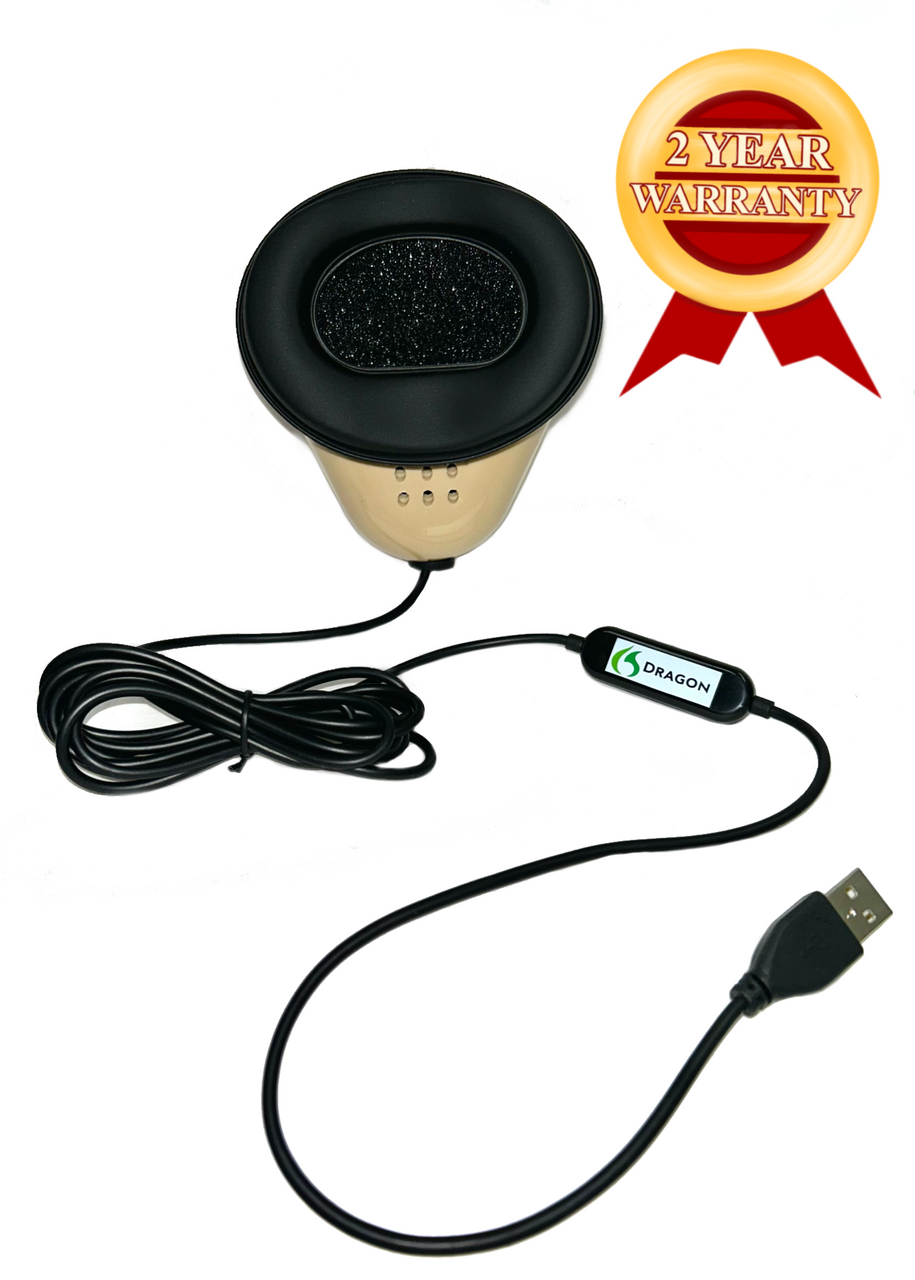
| Dragon Stenomask — view product | Direct USB; one computer microphone path | $299.99 |
| MM-ST1 — view product | Two independent 3.5mm microphone outputs | $237.49 |
| MM-ST2 — view product | XLR plus a separate 3.5mm microphone output | $299.99 |
| MM-18 — view product | One 3.5mm microphone output | $199.99 |
| MM-XLR — view product | One XLR microphone output | $199.99 |
| MM-14 — view product | One 1/4-inch output; not compatible with Andrea or USB sound cards | $199.99 |
The MM-ST1 product listing showed $237.49 at the publication check. The prices in this table are mask-only reference prices; interfaces, software, recorders, and other components belong in a separate complete-setup budget unless the current offer explicitly includes them. Use the linked product page and order details for the price and contents that apply to your purchase.
The lowest listed mask price is not automatically the lowest complete-system cost. A model may require an interface you do not own, while a different model may connect through a verified arrangement already available to you. Similarly, a more expensive dual-path model may be relevant if it provides a connection your workflow requires. Compare what the complete purchase accomplishes.
Write down what must work on the first day
Before adding prices, write a clear first-day outcome. A student might need to complete the instructor's approved practice exercise on a specified computer and application. An established reporter might need to replace a damaged mask without changing a working recorder arrangement. Another buyer might need a computer path and a separate recording destination.
These are different purchases even when all three shoppers search for “stenomask price.” The first needs a complete approved configuration, the second needs a compatible replacement, and the third needs a defined two-path arrangement. A single advertised price cannot answer all three questions.
List each required result and the equipment that produces it. Mark what you already own and have verified. Mark what is included with a proposed order. Mark what remains to buy or confirm. Keep “would be nice later” items in a separate section so they do not silently become first-day requirements.
This exercise also reveals whether the purchase deadline is realistic. If an essential model is unavailable, changing the plan requires a compatibility discussion, not merely selecting the next available product with a similar name. Availability is part of a usable purchase decision, alongside price and connection.
Separate the mask from the computer input
A direct USB mask and an analog mask with an interface are different equipment arrangements. Compare them as complete paths into the intended computer. Include any necessary supported connection component, and account for equipment you already own rather than assuming every buyer starts from nothing.
For an analog setup, identify the exact interface and its compatibility before putting a number in the budget. A guessed low-cost adapter can make a spreadsheet look attractive while leaving the actual microphone path unresolved. A physical plug adapter and a computer audio interface do not necessarily perform the same function.
For a direct USB setup, confirm the physical computer connection and the supported application arrangement. The word “USB” does not tell you every included cable detail or software requirement. Review the actual product listing and ask a precise question when a necessary component remains unclear.
The useful comparison is therefore “complete verified path A” against “complete verified path B.” If one price excludes an essential interface and the other includes everything required for its path, comparing only the mask figures gives a distorted impression of the purchase.
Identify software costs without assuming a bundle
A microphone product and a software license are separate things unless the actual offer explicitly bundles them. Names such as Dragon Stenomask can cause confusion because the hardware name resembles the name of recognition software used in some workflows. Confirm the license, edition, term, and included support directly from the offer rather than inferring them from the mask name.
If your school or workplace specifies software, obtain its current requirements before budgeting a substitute. A cheaper application is not a savings if it does not support the required workflow. Conversely, do not purchase a second license until you understand what you already own and are permitted to use on the intended computer.
Create a separate software line in the budget, even when the current amount is zero because an appropriate license is already available. Add a note explaining why. That prevents a later reviewer from assuming software was forgotten and makes the plan easier to update if the situation changes.
Keep recurring charges distinct from one-time purchases. The purpose is transparency, not a prediction that every system requires a subscription. Record the actual terms for the products you select and avoid substituting a generic internet estimate for a current quote.
Decide whether a second recording path is required
A second mask output can be useful when you have a defined second destination. It also changes the equipment plan. The recorder or other receiving device must be compatible, powered, configured, and able to save the intended audio. The mask feature alone does not complete that path.
For a new purchase, compare Double Dragon 2, MM-ST1, and MM-ST2 according to their different connection combinations. Do not choose among them solely by counting outputs. The relevant question is which arrangement matches the two destinations you actually intend to use.
Budget the second destination separately from the mask. Include only the necessary associated items, and identify which are already owned. If the objective is an independent copy, note any shared dependencies in the proposed system. This helps explain what the added cost buys in your particular arrangement.
Also distinguish a second mask recording from a room recording. The former captures the reporter's mask voice. The latter requires an appropriate separate source and recording plan. Combining them under one vague “backup” line can lead to buying the wrong equipment for the intended purpose.
Build a budget with required, conditional, and optional items
A useful budget has three groups. Required items are necessary for the defined first-day workflow. Conditional items become necessary only if a particular configuration or assignment requires them. Optional items improve convenience or comfort but are not part of the minimum verified setup.
For example, a compatible interface is required when the selected analog computer path needs it. A separate recorder is conditional on the intended recording arrangement. A support accessory may be optional until a specific practical need is identified. These classifications depend on the user's plan; they are not universal labels for the products themselves.
Give every line a source: current product page, written quote, existing-equipment record, or unresolved question. A number without a source is a placeholder, and the budget should say so. This avoids presenting a rough estimate as a firm purchase total.
Then add a status column: confirmed, awaiting confirmation, or deferred. That simple distinction makes the next action visible. You can see whether the plan is ready to order, whether one compatibility question remains, or whether an optional item can wait until after the first working session.
Work through an illustrative cost comparison
Consider an invented buyer comparing two approved routes to the same computer task. Route A uses a mask priced at $200 plus a separately confirmed interface priced at $90. Route B uses a direct-connection mask priced at $300. These round figures are teaching examples, not Martel quotes or claims about a particular compatible pairing.
Before tax, shipping, or any other item, Route A totals $290 and Route B totals $300. The mask-price difference appears to be $100, but the complete-path difference in this example is only $10. If the buyer already owns the required interface, the incremental purchase comparison changes again.
Now add a required second destination. If one route does not provide the needed arrangement, its lower total no longer represents an equivalent solution. You must either define a supported way to meet the requirement or remove it from the like-for-like comparison.
This is why a useful equipment budget includes both money and function. The arithmetic can be perfectly correct while the conclusion is wrong because the two baskets do not accomplish the same task. Define equivalent outcomes before deciding which total is more attractive.
Price a replacement differently from a first system
A replacement buyer has an advantage: part of the workflow is already known. Record the old mask model, receiving equipment, and working input arrangement. Identify why replacement is needed and whether the new purchase must preserve that arrangement exactly.
If the problem is a specific worn or damaged component, investigate an appropriate replacement part before assuming the whole mask must be replaced. If the problem is an unmet connection requirement, a different model may be relevant. If the problem is unexplained recognition output, diagnose the signal path before using a new mask purchase as an experiment.
Do not discard the value of existing verified equipment when comparing options. A new configuration may be appropriate, but its cost includes the necessary transition and acceptance testing. A familiar arrangement can be valuable when it already meets the task and the replacement is genuinely compatible.
The first-system buyer should take a broader view. There may be no known working input, software arrangement, or file process yet. That budget needs enough information to produce a complete first session, not simply enough money to purchase the item pictured at the top of a product page.
Compare packages by included items and intended use
A package can simplify shopping if its components match your requirements. It can also be difficult to compare with individual products unless the contents are explicit. Use the written inclusion list and current offer, not assumptions based on a photograph or a broad package name.
Create one line for every component you need, then mark whether the package includes it. Identify any item included in the package that duplicates equipment you already own. Next, identify required items that remain outside the package. This produces a complete comparison rather than a comparison between two advertised headline prices.
If you are considering a package for school, compare its contents with the current school list. If you are considering it for work, compare it with the required recording and software arrangement. A package is convenient only when the components solve the intended problem together.
Review Martel's stenomask equipment packages as a starting point, then check each current listing. Ask about any ambiguous inclusion before ordering, especially software, interfaces, recorder connections, and items that affect the first usable session.
Allow for care and replacement components
Some equipment spending happens after the initial order. The useful approach is to identify the components your actual setup uses, follow their care instructions, and know how to obtain suitable replacements. Do not assume a fixed replacement interval without product guidance or evidence from your own use.
Create a small maintenance list with the component name, compatible model, and where to verify the current replacement. This is more useful than buying a large assortment of parts whose fit is uncertain. It also makes support easier when an item needs attention because you can name it accurately.
Review Martel's stenomask accessories for relevant options, then check the individual listing. Distinguish a necessary replacement from an optional comfort purchase. If you are considering a different mouthpiece or support accessory, confirm its fit and purpose before treating it as part of the required system cost.
Avoid creating a precise annual maintenance total from guesses. A first budget can list known items and leave genuinely unknown consumption as an explicit estimate. Update it after actual use. A transparent range or unresolved line is more useful than a confident number that has no connection to your equipment or routine.
Include time in the purchase decision
Price is visible immediately; setup time is often hidden. A purchase can require compatibility confirmation, installation, instruction, practice, and acceptance testing. These tasks do not all create an invoice, but they affect when the system becomes useful.
For planning, give each task an owner and a completion condition. “Confirm school configuration” is complete when the current requirements are clear. “Test recorder path” is complete when the saved sample from that destination is usable. This avoids calling a system ready merely because every box has arrived.
If your deadline is close, review availability and unresolved questions before ordering. Do not substitute an unverified product only because it appears available sooner. A faster delivery can still miss the practical deadline if the equipment does not fit the required arrangement.
For an established user, the same reasoning applies to upgrades. A change should have an identifiable benefit that justifies its setup and testing effort. A lower advertised price on a different connection is not automatically a savings if it requires rebuilding a workflow that already meets the task.
Read discounts as prices, not as compatibility evidence
A sale price can make a suitable product more attractive. It does not make an unsuitable connection appropriate. Decide whether the model meets your requirements before allowing a discount to control the purchase.
When comparing offers, use the amount actually applicable to the chosen item and record the date. Do not combine an old guide's price, a current product-grid discount, and a different package's contents into a fictional offer. Recording the source and date of a price makes the comparison easier to check and update.
Also avoid interpreting a higher reference price as proof of superior recognition performance. Product performance claims require their own evidence. A budget comparison should state what hardware arrangement and included items you receive for the listed amount, not invent a performance score from the discount percentage.
Before ordering, review the final product selection, quantity, current price, availability, and applicable order terms. If the total differs from your worksheet, update the worksheet and understand the difference. The goal is a purchase you can explain from the actual offer, rather than a remembered headline or an outdated article.
Ask for a quote that answers the open questions
A useful quote request names the required outcome, the equipment already owned, and the items under consideration. Include exact model names and connection requirements. If there is a deadline, state it as a requirement to confirm rather than an assumed delivery promise.
For an original example, a buyer might ask: “I need a mask for this approved computer input and a separate compatible recorder path. I already own these two devices. Please confirm the matching model, required additional components, current availability, and what the quoted price includes.” This gives the supplier a concrete configuration to address.
Ask separately about software if it is part of the plan. Identify the edition or required integration instead of saying only “include Dragon.” The microphone name and the software name can otherwise be confused in both the quote and the eventual order.
Keep the resulting information beside your worksheet. When the equipment arrives, compare the contents and working arrangement with that record. A good quote is useful beyond purchasing because it defines what you intended to receive and test.
Complete an acceptance test before calling the purchase finished
Unpacking is not the final stage of a system purchase. Assemble the confirmed arrangement, select the intended input, make a short practice recording, and listen to the saved result. If recognition is part of the plan, test it in the actual supported application. If there is a second destination, verify that recording separately.
Use invented material so the first test stays focused on the equipment. Name the files clearly and reopen them from the expected location. Record any problem precisely, including the earliest stage where the expected result fails. This gives support a better starting point than a general statement that the purchase did not work.
Compare the delivered components with the order details and resolve missing or incorrect items through the seller's actual process. Read the applicable return and support terms before purchasing rather than assuming every equipment order follows the same rules.
Once the setup works, keep a brief record of the verified arrangement. The purchase has then produced more than a collection of boxes: it has produced a reproducible system with a clear purpose and a known way to check it.
Choose the right purchase category
If you need one compatible 3.5mm microphone path, start by reviewing the MM-18. If your approved arrangement calls for direct USB, compare Dragon Stenomask and the additional path available on Double Dragon 2.
For the full range, use all seven Martel stenomask listings. For a broader purchase, review the voice writing equipment category and compare the necessary components against your worksheet. Keep the current live offer separate from this article's dated price snapshot.
See all seven Martel stenomasks



References and scope
The dated prices come from Martel's public stenomask category, checked November 9, 2026. The buying scenarios, budget method, and round-number arithmetic example are original illustrations, not customer accounts or binding quotes. Product listings and final order details govern current pricing, contents, and availability. No software, delivery, training, or compatibility inclusion is inferred solely from a mask's name.
30 questions and answers about stenomask prices and buying
1. How much did the Martel stenomasks cost when this guide was checked?
The public product grid checked November 9, 2026 showed the seven listed models between $199.99 and $399.99. These are dated observations, not guaranteed current checkout prices. Open the individual product page for the current offer and stock. The complete setup may also require items outside the mask listing, depending on the equipment you already own.
2. Why is the price snapshot dated?
Prices, promotions, and availability can change. A date lets you distinguish a useful reference from a live offer. A buying guide can remain useful even when a later promotion changes the amount shown on a product page. Identifying the source and date is more honest than presenting one number as permanently correct across every page and future order.
3. What MM-ST1 price is used in this comparison?
The November 9, 2026 product-listing check showed $237.49 for MM-ST1. That dated figure is used in this comparison. Before purchasing, open the linked MM-ST1 listing and review the current order details. A reference price helps with initial planning, while the live offer determines the amount and contents applicable to the order you actually place.
4. Is the least expensive mask the best budget choice?
Only if it meets the required connection and workflow without omitted costs. An inexpensive mask may need an interface or another component you do not own. A different arrangement may reuse verified equipment already available. Compare complete compatible setups and their intended results, rather than ranking the purchase solely by the price of the mask itself.
5. Does a higher price guarantee better recognition?
No recognition guarantee follows from price alone. Hardware, receiving equipment, configuration, speech, and software all affect the working result. This guide compares connection arrangements and purchase costs, not measured recognition performance. Choose features that address a defined requirement and test the resulting setup instead of treating a larger price as a performance score.
Stenomask Prices and Buying Guide: Plan the Cost of a Complete Setup
Compare seven Martel stenomasks, check dated price examples, and plan the complete computer or recorder setup before ordering. Includes 30 buying questions and answers.
6. Is Dragon software included with a Dragon Stenomask?
Do not infer software inclusion from the microphone's name. Check the specific offer for licenses, editions, terms, and included accessories. Hardware and software should have separate lines in the budget unless the package explicitly defines them together. If the listing is unclear, resolve the question before ordering rather than discovering the difference during setup.
7. What should a first-time buyer budget beyond the mask?
List the components required for the intended workflow: compatible computer input, necessary software, any required recorder, and the relevant training or support arrangement. Account for equipment already owned and verified. Do not automatically buy every accessory. A first-time budget should produce a complete usable session while keeping optional convenience items clearly separate from essential components.
8. How should I budget an analog interface?
Identify the exact compatible interface before assigning a price. Include its current offer and any necessary supported connection components in the complete-path comparison. A guessed low-cost adapter can hide an unresolved technical requirement. If the interface is already owned and appropriate, record that fact so the budget reflects the actual additional purchase rather than a hypothetical new system.
9. When is paying for a second output justified?
When the second output serves a defined compatible destination that your workflow needs. Compare the connection combinations on Double Dragon 2, MM-ST1, and MM-ST2. Include the receiving device and necessary recording process in the plan. An unused extra output does not automatically create value, while a required second path should be considered before buying a single-output model.
10. Does a dual-output mask eliminate the cost of a recorder?
No. The additional output supplies a microphone path; a destination still needs to receive and save it. If a separate recorder is part of the requirement, budget or identify that device and its necessary components. Test the saved recording after setup. The mask feature does not independently create a stored backup file without a working destination.
11. Should I include room-recording equipment in the same budget?
Include it when the actual assignment or approved workflow requires it, but label it separately from the mask path. A room microphone captures a different source from the reporter speaking into a mask. Keeping those purposes distinct prevents a second mask output from being mistaken for a complete room-recording solution or from hiding an additional required purchase.
12. Are equipment packages always cheaper?
Not necessarily for your particular situation. Compare the current package contents with the components you actually need and already own. A package can simplify shopping, but duplicated or missing items change the practical value. Use the written inclusion list and complete-system total rather than assuming the package label automatically represents the lowest cost for every buyer.
13. How can I compare a package with separate items?
Create one requirement list and mark which items each option supplies. Add any required items missing from the package and identify components that duplicate equipment already owned. Then compare the complete current offers. This approach keeps the two baskets functionally comparable and prevents an attractive headline price from hiding an interface, license, or recorder that still must be purchased.
14. Should I buy accessories before trying the mask?
Buy accessories that meet a known requirement or are necessary for the approved setup. Optional comfort and convenience items can be considered separately once their purpose and compatibility are clear. Check what the product already includes. The goal is to avoid both missing essential components and buying a collection of parts that do not solve an identified need.
15. How much should I reserve for replacement parts?
Use the actual components and care requirements of your chosen setup rather than a universal invented annual amount. Identify current replacement options and update the budget as your usage becomes known. If a future cost is uncertain, label it as an estimate or open question. A transparent budget is more useful than a precise-looking maintenance figure without evidence.
16. Can I save money by reusing my existing equipment?
Yes, when the equipment is appropriate, compatible, and in usable condition. Confirm the actual combination rather than assuming prior ownership establishes fit. Record reused items in the budget and include them in acceptance testing. This lets you compare the true additional purchase cost while preserving a clear explanation of how the complete system will work.
17. Should a replacement purchase include a whole new system?
Only if the current system no longer meets the requirements or a justified change calls for it. A replacement buyer should identify the failed component and the existing working arrangement first. A compatible part or mask replacement may address the need. Rebuilding everything without diagnosing the problem can add cost and leave the original issue unresolved.
18. Can a sale price justify changing connector types?
A discount is useful after compatibility and workflow fit are established. It should not be used to rationalize an unsuitable connection or an unverified adapter chain. Compare the complete cost of the changed arrangement, including required components and setup work. The purchase should still meet the original requirement when the sale label is removed from consideration.
19. Why include setup time in a buying plan?
Delivery does not make a system ready. Compatibility checks, configuration, instruction, and acceptance testing take time even when they do not appear as separate charges. Planning those steps helps you judge whether a purchase can support a real deadline. It also prevents a lower-priced but unresolved arrangement from appearing equivalent to a verified setup you can use.
20. What if the model I want is out of stock?
Check the current listing and ask about actual availability before planning around it. If considering another model, recheck the connection and workflow requirements rather than assuming similar names mean interchangeable products. Stock can change between an initial comparison and checkout, so confirm the live offer rather than relying on an earlier availability observation.
21. Should I order before my school confirms the equipment list?
Obtain the current requirements first, especially for the mask connection, computer input, and software arrangement. A premature purchase can leave you with a product that does not match the program's supported setup. If a list is ambiguous, ask the school and supplier about the exact model and configuration rather than guessing from a familiar product name.
22. What should I request in a written quote?
Ask for the matching model, required additional components, included items, current availability, and the applicable price for your defined setup. Provide exact existing-device models and any deadline. Identify software separately when relevant. A useful quote answers the unresolved configuration questions and becomes a reference for checking the delivered order and its first working test.
23. Does this guide's illustrative $290 comparison describe a Martel package?
No. The $200 mask plus $90 interface example uses round hypothetical figures to explain complete-path arithmetic. It is not a product recommendation, compatibility claim, or quoted bundle. Its lesson is that a difference between mask prices can shrink or change when required components are included. Use actual confirmed offers for your own purchase decision.
24. Should shipping and other order charges be included?
Use the actual applicable order details when calculating the final purchase total. This guide's product-price snapshot and illustrative arithmetic do not promise an all-inclusive delivered cost. Keep product prices and other charges identifiable so you can explain the difference between the planning worksheet and checkout. Resolve an unexpected total before treating the order as a confirmed budget.
25. Can I assume every seller has the same return terms?
No. Read the applicable terms for the actual order before purchasing and ask about anything material that is unclear. This guide does not establish a return entitlement or promise a particular policy. Understanding the seller's process is part of making a concrete purchase decision, especially when a configuration question should be resolved before the equipment is ordered.
26. How do I avoid buying duplicate software?
Identify the licenses you already hold and their permitted use, then compare them with the current required configuration. Ask the software provider or appropriate administrator when the terms are unclear. Keep software separate from the microphone name and hardware price. Do not assume either that a new license is necessary or that an existing one can automatically be reused.
27. What should I check when the order arrives?
Compare the delivered items with the written order and your requirement list, then assemble the confirmed setup. Make a short practice recording, listen to the saved result, and verify every required destination. If recognition or reporting software is involved, test the actual supported workflow. Unpacking all the expected boxes is useful, but it is not the final acceptance test.
28. When is a purchase genuinely ready for work?
The equipment should perform the intended task in a reproducible arrangement, with usable saved results and no unresolved required connection. Training and assignment requirements remain separate from the hardware check. Keep a brief record of the verified setup so later changes can be tested against it. Readiness is an observable result, not simply the moment the payment is completed.
29. Where should I compare current stenomask offers?
Start with Martel's seven-model stenomask category, then open the individual product pages for the relevant connection arrangements. For a broader setup, inspect the equipment packages and compare written contents. Keep dated article prices separate from the current live offer and verify availability when your purchase timing matters.
30. What is the simplest way to make a sound buying decision?
Define the first working task, list the required components, confirm the connections, and compare complete current offers. Reuse appropriate equipment, separate optional items, and test the delivered arrangement before relying on it. That process produces a purchase tied to your actual needs instead of one driven solely by a headline price, a discount percentage, or a product adjective.