TIME IS RUNNING OUT FOR 2026 TAX WRITE-OFFS

Why Can Your Deposition Microphone Hear the Reporter in the Room Next Door?

Use a fictional two-room deposition to distinguish speech entering through a door from a meeting feed or another file. Recheck local testimony after each change.
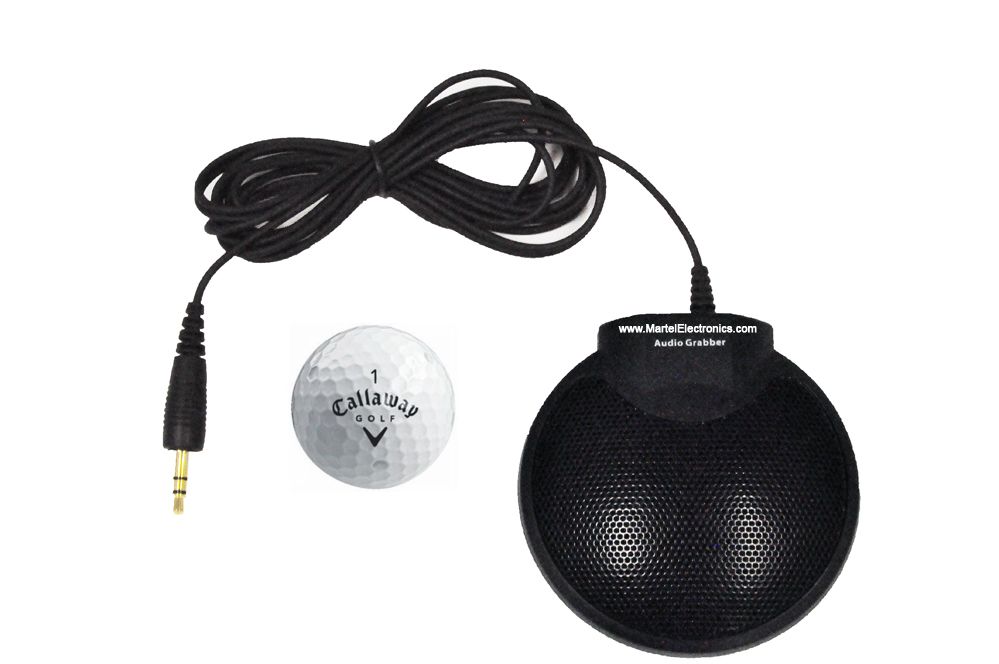
Audio Grabber microphone and 3.5 mm plug beside a golf ball for scale
Audio Grabber battery-free court reporter microphone. View Martel’s product details for SKU 310.

When a neighboring deposition appears to be audible in your file, start by identifying the words, the particular file and the microphone or meeting input that supplied it. Speech can travel through an open doorway into a room microphone. It can also arrive electronically through a meeting connection, play from a computer speaker in your own room, or belong to a different recording opened for review. Each possibility suggests a different correction. Use an invented two-room rehearsal with permission from the people managing the space. There is no need to record anyone else’s proceeding to find out how your equipment behaves.

Identify the recording before moving a microphone

Imagine that a reporter opens a file at the end of a fictional day and hears the words “the north dock.” The witnesses in the reporter’s own practice room discussed a greenhouse. The next room had been used for a different exercise about a loading dock. Before changing any equipment, note which file is open, which device created it and where the unexpected phrase occurs. A file with a similar creation time can belong to another practice or recorder. Starting from a specific saved moment prevents an afternoon of investigating a microphone that may never have supplied the questionable file.

Replay just enough of the authorized practice to establish context. Can you hear a local question immediately before the neighboring phrase? Does the phrase sound like someone in the room speaking in the distance, or is it clear and close like an isolated digital voice? Either description is an observation for further checking. Sound quality alone cannot identify the source. Two similar conference rooms can produce similar speech, and meeting audio played through a local speaker can acquire both the clarity of the call and the acoustics of the room.

Give each trial an identifiable spoken opening. “Greenhouse table, door closed, first rehearsal” and “loading dock exercise, helper reading cards” are less likely to be confused than sequential numbers assigned by two identical recorders. Label the files separately when moving them for an authorized check. If the wrong copy was selected, correct the file handoff and play the intended recording before investigating the building. If the unexpected practice phrase is genuinely in the local recording, preserve that observation and trace the route that carried it.

Set up a two-room exercise without using real testimony

Arrange two practice spaces that the facility allows you to use. Give the local helper a card with a distinctive noun and number, such as “greenhouse tray twenty-four.” Give the other helper a different card, such as “north dock marker nine.” Assign one person to speak at a time. Ask everyone to use an ordinary, sustainable voice. You need to learn what the intended arrangement captures under realistic conditions. A helper shouting from the hall may answer a question that never arises during the work itself.

Start the local recorder or CAT practice job with the equipment in the planned reporting positions. Have the local person speak, let the room become quiet and ask the other helper to read the second card from where the neighboring speaker would normally sit. Finally, let the local speaker repeat a changed number. The second local phrase establishes that the local recording was still operating after the neighboring turn. Close the file and ask a listener to write what they can recover from each interval without looking at the script.

Distinguish recognizable words from a murmur. A file might carry the texture of a neighboring conversation without preserving the words “marker nine.” Another placement could make the foreign words fully intelligible and also obscure the local response. Record both observations. Avoid placing the microphone in the neighboring room simply to make the phrase louder. The relevant question is what reaches the reporter’s own authorized recording equipment in its working location. The two-card method keeps that question narrow enough to reproduce.

Determine whether the doorway changes the saved result

Do a doorway comparison only under conditions approved for the space. Keep the equipment and helpers at the same marked positions. Have the adjacent helper speak the assigned phrase with the connecting door in its normal working condition. If facility procedures permit, change that door condition for a separate practice pass and use a new fictional phrase of similar length. Note the door position before naming the recording. Do not treat a closed-looking door as proof of the path sound actually took through the building.

Listen first for the local words at the same playback level. Can you still distinguish the numbers and ending consonants? Listen next for the other room’s practice marker. A substantial reduction tied to the allowed door change makes an acoustic route worth investigating. It does not establish that the doorway was the only opening or that every room will behave the same way later. If clarity stays unchanged, inspect the meeting computer and other active audio devices before making assumptions about walls or seals.

A corridor can complicate the comparison. An open door on the local side and another open door down the hall can let ordinary speech reach the microphone indirectly. A person walking past the reporter’s own door can also sound like someone sitting next door. If the exact source matters for the exercise, have the outside helper remain at a recorded position while a second observer notes whether anyone entered the hallway. Use only arranged practice speech. A facility representative can help decide whether changing rooms would answer the practical problem more effectively.

Examine what the local microphone actually favors

A microphone close to a soft local witness has an easier job distinguishing that witness from distant sound than the same microphone placed beside an open doorway. It can still pick up the rest of the room. Begin with the witness’s normal posture and the position available to you under the room rules. Ask the witness stand-in to speak toward the questioning attorney and then toward an exhibit. The phrasing you lose at those positions is as important as the neighboring words you want to reduce.

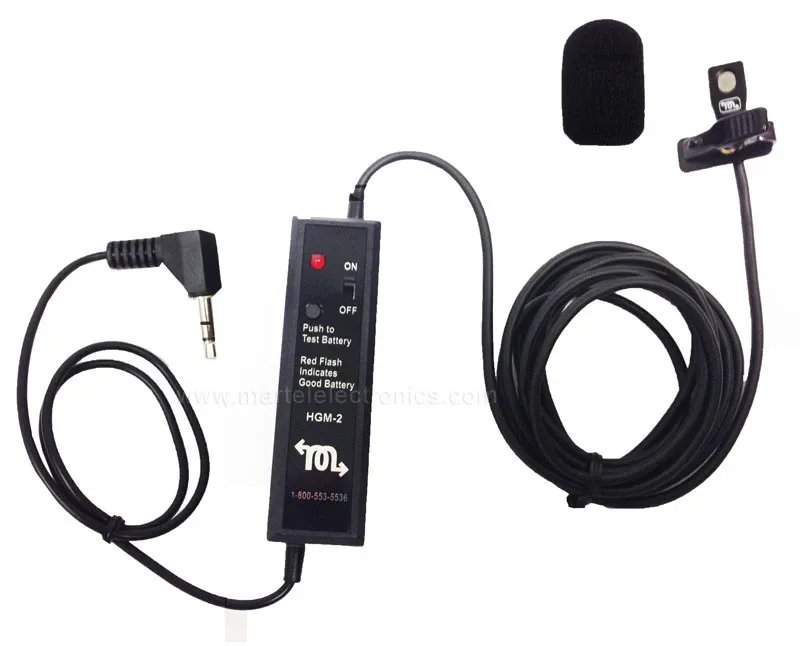
For a writer with a compatible input, the battery-powered HGM-2, SKU 1773, can be part of this placement exercise. Verify the actual external source so an internal writer microphone near the door does not quietly become the source of both trials. On a supported Luminex or NexGen setup, an Audio Grabber, SKU 310, can provide a battery-free pickup point near a required seat. Where a compatible chain is used, map every connected microphone. A unit left near the entrance can admit neighboring speech even when the main unit favors the witness.

Try a shorter distance to the person whose answer matters before changing several gain settings. Move only one pickup point and repeat both cards. If the local answer becomes clearer while the adjacent phrase becomes less intelligible at a comparable listening level, you have found a useful trade for that arrangement. If the neighboring phrase stays clear while the local answer stays weak, go back to the receiver and confirm which microphone supplied the file. The equipment you moved may have been outside the recording path.

Recognize sound coming from a computer inside the room

A meeting laptop can act as a loudspeaker for a voice originating elsewhere. If a related practice call remains open in the local room, speech from another participant can emerge from the laptop speakers and enter the room microphone like any other local acoustic source. A local observer may recognize the voice as coming from next door even though the microphone actually picked it up inches from the computer. Write down every meeting or playback device in the local room that was making sound during the unexpected phrase.

Use the invented sample to compare a normal speaker output and an authorized headphone output on the meeting computer. Keep the neighboring helper in the same place and avoid changing the microphone at the same time. If the phrase disappears from the room microphone file when the computer stops playing it into the room, you have identified a path worth following. Check whether the local speaker is still captured. The result may solve the unwanted source question while raising a separate question about how required remote testimony will reach the intended recording.

On a hybrid job, some digital meeting audio may need to be captured on purpose. Mark the difference between the remote participant assigned to your proceeding and a different practice conversation unintentionally heard. Use distinct words for each participant during a rehearsal. Inspect the meeting selected on the host, the playback source selected by authorized recording software and the room input selected by CAT. Make changes only to accounts, meetings or room equipment you are responsible for. The observed source is sufficient to ask the meeting organizer for help when another connection needs management.

Test a chain without trading one missing seat for another

A long table can tempt an agency to place a microphone at every convenient opening. Start instead with a sketch showing the actual witness, questioning counsel, other required voices and the two doors nearest the reporter. Label each microphone in the chain by its physical position. During a fictional exercise, have someone speak a unique garden word at each occupied seat. Have the neighboring helper deliver a different word while everyone at the table is quiet. Listen to the whole sequence with the same receiver and playback level.

Look for a microphone position that contributes strongly to the neighbor’s phrase and weakly to necessary local testimony. In a practice environment, remove or reposition one compatible unit according to the instructions and repeat. If the chain is changed, confirm that all remaining required positions still reach the receiver. A chain with fewer connected microphones can also leave the far counsel seat underrepresented. Simply quieting the room background is a poor success criterion if the saved local answer loses its last number.

After establishing a workable configuration, mark which physical microphones are present and which seat supplied each test word. Avoid describing the chain as a set of isolated recorded tracks unless the actual system documents that capability. Multiple pickup points feeding one writer input can produce one combined listening result. When the neighboring practice voice is mixed into that result, a later editor may be unable to isolate the contributing microphone. Position and source selection during setup are therefore much more useful checks than waiting for the scopist to extract the unwanted voice.

Separate neighboring speech from words repeated inside your room

An observer outside a room may hear “marker nine,” then enter the local room and repeat the words to a colleague. The local microphone can accurately capture that repetition without receiving speech through the wall or meeting. During practice, control who has seen each card and when they speak. Keep the local helper quiet during the neighbor’s assigned interval. Give the repeating person a different phrase or ask them to wait until the recording is over. Good experimental housekeeping matters as much as the microphone specification in this particular test.

A similar mistake can occur during file review. The person checking the result may remember what the neighboring helper meant and hear plausible words in an indistinct murmur. Ask someone who has not read the other card to write the words as heard. Compare their answer to the script afterward. If the listener recovers only a rhythm or fragments, report that degree of intelligibility. It is valuable information for evaluating a room, but it is different evidence from consistently identifying the exact phrase on repeated trials.

Use new words when a helper has listened to the same passage several times. Replacing “north dock marker nine” with a similarly spoken invented phrase prevents a memory of the old answer from standing in for a new observation. Keep the voice level and position steady. A reporter who can report what listeners independently recovered, from which file and under what arrangement can have a much more precise discussion with the people responsible for the rooms.
Decide when changing rooms is more useful than buying equipment

Sometimes the responsible practical choice is to arrange a different room through the person managing the space. Suppose two fictional exercises show clear neighboring speech even with doors in their normal permitted position, while moving a microphone enough to reduce it also loses the far witness. Present those paired observations. The facility can consider an available room, spacing between simultaneous assignments or a different approved position for the reporting desk. You do not have to diagnose the building’s construction to explain how a particular room performed for the assigned speech.

Equipment can help when the needed voice is simply far from the pickup point. A placement choice that gets an appropriate microphone closer to the witness may improve the local result without changing the building. Choose the model against the receiving writer, recorder or computer and its documented input and power needs. Avoid buying solely on a single maximum pickup-distance claim. A microphone intended to hear a distant person has no knowledge of which human voice is part of your proceeding. Its placement and the room determine which sound reaches it.

Keep an equipment recommendation specific to what the rehearsal established. “Moving the writer microphone nearer seat three improved the local exhibit number while the neighboring words became indistinct” gives a purchasing or scheduling team something to evaluate. A promise that a microphone will prevent all adjoining-room pickup does not follow from the exercise. Repeat the allowed check when room layouts, speaking positions or electronic meeting connections change. Record the decision in the agency’s ordinary process for managing the assignment and its equipment.

Hand the room decision to the next reporter

Prepare a practice note someone can use without hearing anything from the actual neighboring assignment. Describe the rooms generically, identify the approved state of the door and mark the positions of the reporting equipment and the invented speakers. Record whether the outside practice phrase was recognizable, faintly audible or absent from the particular saved take. Include the local witness result in the same note. That last detail prevents an arrangement that merely made everything quiet from becoming the recommended equipment setup for the room.

Ask the second reporter to reproduce the local sample at the beginning of their practice. Have them verify the selected input and identify the words from a different, newly saved file. If a new laptop is carrying the remote meeting, have the assigned remote helper supply a separate phrase. Slight differences in furniture, surface noise and speaker direction are expected. What you are passing on is a way to identify the source and make an informed room decision. You are also passing on a clear reason to revisit the result when the original physical or electronic arrangement has changed.

Record the difference between intelligibility and interference

A short listening score can make two practice arrangements easier to discuss. Give a reviewer three blank spaces for the local question, the neighboring practice marker and the local answer. Ask them to write any words they understand in each space and leave a dash where speech is audible but the words remain uncertain. Review the response before telling them what the helpers read. The exercise asks for specific recovered words, which makes it possible to compare two placements without pretending to have measured a formal acoustic rating.

Suppose the first reviewer correctly recovers both local lines and nothing from the neighboring interval. A second reviewer identifies the word “dock” but cannot recover its number. Retain both observations. In a different trial the neighboring answer may be clear while the far local witness loses a crucial suffix. Those results help explain whether the source is merely noticeable, contains identifiable content or actually interferes with the required local words. A single general score such as “better” would combine those separate questions and make the next decision harder.

Use the same listeners, similar playback conditions and changed invented phrases when comparing the final location with the original. A successful result provides practical evidence for those two setups and those listeners. It also gives the reporting team a concrete way to describe the limitation if another booking changes the seating or places an active meeting loudspeaker next to the door.

30 questions and answers

1. Can a microphone know that a voice belongs to the next room?

A microphone responds to sound reaching it through its working pickup arrangement. It has no independent knowledge of which proceeding a speaker belongs to. People conducting a rehearsal can identify that distinction by allocating different words and speaking turns to the two rooms. If the other room’s invented words appear in the file, examine both physical paths and electronic sources. A claim about voice pickup or noise reduction should never be read as a promise to recognize which side of a wall is authorized testimony.

2. What is the quickest check if I hear an unexpected name during review?

Verify the file, the device that produced it and the moment at which you heard the name. Compare the spoken opening and a known later local reference with your practice notes. If the file is correct, consider what local and remote sources were active at that moment. A faint name in an otherwise correct file points toward a different investigation from an entire take containing the neighboring exercise. Starting with file identity can save you from moving equipment that was never responsible for the recording.

3. Do I need permission to run both practice rooms?

Arrange the exercise with the people who manage the rooms and everyone participating in the invented practice. Choose a time when the trial can be conducted without capturing either room’s real work. If a neighboring space is occupied by people outside the exercise, wait for an appropriate opportunity or use another authorized pair of rooms. You can still check your own microphone, selected input and saved file in isolation. The two-room diagnosis does not require listening in on an actual deposition.

4. How do I choose phrases that make an adjacent voice easy to identify?

Use unrelated nouns and changeable numbers that feel natural at conversational volume. “Greenhouse tray twenty-four” is easy to distinguish from “north dock marker nine,” even if a listener recovers only part of a phrase. Give each room its own wording and ask the local speaker to stay quiet during the neighboring turn. When the setup changes, use a new phrase of similar length. It keeps recognition from turning into remembering the answer printed on a card everyone already saw.

5. Can closing one door prove the building has poor sound isolation?

The door comparison tells you what happened in a particular recording under two arrangements. It does not measure the building’s acoustic properties or isolate every possible path. A connected corridor, another doorway or a local loudspeaker can affect the result. The practical question is narrower. Did the local witness remain clear, and did a permitted door position change how much neighboring speech was intelligible? Present those observations to the facility if the room arrangement needs attention.

6. What if changing the door position improves privacy but makes the witness harder to hear?

Repeat both parts of the trial. Note whether a change in speaker position, ambient equipment or table placement coincided with the door change. Keep the door in an approved position and try the microphone closer to the witness, then replay both the local and neighboring phrases. If the positions cannot achieve adequate local clarity under the conditions required for the assignment, raise the room issue with its organizer. A favorable test of only the neighboring words leaves half the problem unresolved.

7. Why should the adjacent helper speak only when the local helper is quiet?

Separate turns let a reviewer identify the source of intelligible words without first trying to untangle two people talking. They also reveal whether the local recording remains active across a short pause. Once the separate-turn test is understood, you can add a short, controlled overlap to learn what it does to the local answer. Start with the simpler exercise so an unclear overlap does not hide a wrong file, a selected computer input or a speaker who did not follow the planned timing.

8. How can I check whether an open meeting is bringing in the neighboring voice?

Use a fictional neighboring marker on an authorized test call. Have the local room remain quiet and note what the meeting participant and local reporter hear. Compare a saved trial with the meeting participating in the setup to another authorized trial in which that source is absent. Keep the physical room conditions stable. A change that follows the electronic meeting path gives you a reason to examine the host, selected meeting and recording source before requesting changes to the physical room.

9. Could a computer playing yesterday’s recording create the same symptom?

Yes. A local speaker playing a file can put a familiar voice back into the air, and a live room microphone can record it again. Identify every audio-producing device in the room during the exercise. Repeat the test with the playback stopped and with one person speaking naturally at the local table. If the foreign phrase disappears and the local person remains clear, inspect what the playback application was doing. Keep that explanation distinct from a meeting participant speaking live through the computer.

10. What if the recording comes from the laptop’s internal microphone?

Identify the active input in the recording application and compare it with the intended external microphone. During practice, put the external unit near the local speaker and keep the laptop in its usual position. Say different words near each. If the recording consistently favors the laptop beside the door, select the intended device and repeat in a fresh job. Moving an external microphone across the table will have little diagnostic value if the computer continues recording from its own built-in input.

11. Should I move the writer or just its external microphone?

Move one item at a time, according to the compatible arrangement and the room’s permitted layout. If you can reposition the microphone without changing the writer’s location, that comparison is easier to interpret. The writer’s built-in input, keyboard noise and top surface then remain at known positions. If the mic plugs directly into the writer and must move with it, record that fact and keep the two people’s positions fixed. Review the local and neighboring phrases after the move.

12. Is an omnidirectional microphone automatically the wrong choice for two nearby rooms?

Look at the seating and how the equipment will be used. A microphone intended to cover participants around a local table can serve a useful purpose. Its ability to capture voices from several directions also means placement matters when an open door or nearby computer contributes speech. Test a practical position close enough to the needed speakers and compare saved results. Other microphone designs have their own placement and compatibility requirements. The room exercise supplies evidence a simple pattern label cannot provide.

13. Would an Audio Grabber beside each door help distinguish the rooms?

If the doors are not required speaking positions, adding microphones beside them can introduce an unwanted source. Identify the local participants whose words must reach the writer, and start with pickup points serving those people. If the intention is to identify independent sources after recording, verify that the complete recorder and software can deliver separate tracks. A compatible Audio Grabber chain into one writer input can combine sound. It does not assign a separate identity to each door in the resulting file.

14. Does turning the HGM-2’s battery tester on tell me which room supplied a phrase?

Use the tester for the battery indication documented for the HGM-2 model. It cannot identify speakers, doors or sound paths. If the HGM-2 is the intended microphone, establish its working battery, connection and selected receiver input first. Then compare the saved near and neighboring phrases. That order separates a basic power check from a room-source question. A quiet local witness and audible neighboring voice can occur with a functioning battery when the microphone sits in an unfavorable position.

15. How can I check the effect of moving a single microphone in a chain?

Mark the original position of each pickup point on paper, then change only the unit chosen for the trial. Leave the other microphone connections, software settings and speaking locations stable. Record a different local phrase at each required seat and the neighboring marker during a separate quiet interval. Compare the whole sequence. If one local seat vanishes or weakens, the moved microphone was doing an important job there even if the neighboring phrase also became less distinct.

16. Should I turn down the recording input until the unwanted voice disappears?

First identify whether the needed local answer will also be lost at that setting. A single input control can affect both the local and neighboring sound reaching the same microphone. Place the mic appropriately, verify the selected input and record the two sources at their planned positions. If you do adjust a supported recording level, note its starting point and compare both saved phrases at a comparable playback volume. A silent outside phrase is an incomplete result when the witness’s corrected number disappears too.

17. Does raising headphone volume tell me how clear the neighboring voice is to a scopist?

Headphone volume affects how the listener hears the saved material at that desk. To estimate what another person could distinguish, compare at a comfortable working level and ask an independent listener to report the words they recover. Identify the file and passage used. Avoid repeatedly suggesting the expected phrase, which can influence perception. A report of “speech-like sound during the local pause” is different from a listener independently identifying the exact neighboring marker and number.

18. How should I treat an uncertain word when checking a real recording?

Keep the equipment diagnosis separate from your established professional process for handling an uncertain passage. Mark the time and the presence of the questionable sound without inventing a word or assigning it to a particular person based solely on an acoustic impression. Where a check is authorized, compare the intended source, job notes and any permitted separate recording. Use a newly invented example for equipment troubleshooting. It lets support staff examine the microphone problem without needing the contents of a real proceeding.

19. What if the local witness speaks close to the door?

Determine which alternative positions the room permits. The microphone might be moved closer to the witness on the interior side of the seating arrangement, or the table layout might be changed through the organizer. Keep the witness’s ordinary speaking direction in mind. A microphone near the witness but tucked behind an exhibit can give a different result from one with a clear path. Test the changed arrangement with the neighboring helper speaking at the same ordinary level as before.

20. Why might a problem appear only while exhibits are being handled?

Participants may turn toward a screen or away from the microphone at that moment, weakening the local voice while the neighboring sound remains about the same. Paper handling near the microphone can also cover the syllables that would otherwise distinguish the witness. During a practice comparison, have the stand-in read a phrase seated normally and another while leaning toward an exhibit. Then have the neighboring helper read during a quiet pause. This separates a changed local posture from a change in outside-room volume.

21. Can a separate recorder prove what the writer microphone heard?

It can provide an independent observation only to the extent that you know its source, position and saved file. A recorder on the witness side using its own microphones may favor a different speaker from the writer microphone beside a doorway. Compare the same invented phrases and note which device captured each. If both use the same shared mixer feed, they also share that part of the sound path. Two files alone are insufficient to identify where an outside voice entered.

22. How do I distinguish a hallway passerby from the person in the adjacent room?

During an authorized exercise, have the neighboring helper speak from a marked seat at a planned moment. Keep the hallway clear where feasible and have a second observer note interruptions without recording other people. Repeat using a different phrase at the same position. A recognizably different voice or unexpected timing can point to a local interruption. If the source remains uncertain, describe it as unidentified speech in the practice notes and investigate the practical room arrangement without claiming to know who spoke.

23. What if the neighboring phrase is louder when the local room is completely quiet?

A quiet gap makes a distant sound easier for a listener to notice. Compare that same moment with the local witness speaking at a normal level and ask whether the needed answer is still distinguishable. Also review whether identifiable neighboring words are present during the pause. Both matters may be relevant to the organizer’s room decision. Avoid assuming that a voice became physically louder just because it is more apparent once the local participants stop speaking.

24. Is closing a meeting window the same as stopping its contribution to every recording?

Confirm what your actual meeting and recording programs are doing. Some arrangements capture a selected playback device, others a room input, and a standalone recorder can continue independently. End or mute the authorized test source through the normal controls and have the intended helper speak a new marker. Close and reopen the saved result on each device involved. This lets you identify what continued to receive speech after the visible window changed on one computer.

25. What if moving to headphones removes required remote testimony as well as the neighboring voice?

You have learned that the previous setup relied at least partly on audible sound from the computer entering a room microphone. Identify a documented, authorized route for the meeting audio you actually need. Then retest each intended remote person, the local witness and the separate unwanted practice marker. The goal is to retain required sources while correcting the unintended one. Simply leaving the job in a configuration that misses the assigned examiner does not resolve the reporting need.

26. How do I explain the problem to the scheduling team without sending recordings?

Give a short description of the authorized practice, the room arrangement and the findings. For example, say that a reader at the local witness seat was clear while a second invented phrase from the adjoining room could also be identified in the saved take. Note any approved door or microphone change that improved one result and weakened the other. A written comparison can help scheduling staff assess a room change without circulating any real proceeding or even the practice audio.

27. What belongs on a room diagram for this exercise?

Include the local table, witness and counsel seats, writer or computer, external pickup points, nearby doors and the meeting computer if it plays sound. Mark the adjacent helper’s practice position in broad terms. Draw an arrow for the witness’s usual speaking direction and note which microphone connection actually fed the saved sample. A simple sketch lets a second reporter recreate the test without trying to infer every distance from a photograph. Exclude names and any unnecessary case information.

28. Should two simultaneous depositions use identical filenames if they use the same model recorder?

Use distinct identifying practices appropriate to your organization. The two devices can generate similar automatic filenames, so the authorized transfer procedure should preserve which unit and assignment a copy belongs to. In a rehearsal, identify the working room aloud at the beginning and record a unique local reference near the end. Ask the receiving reviewer to identify both. If a mix-up recurs, inspect file selection and handoff before attributing the neighboring voices to microphone sensitivity.

29. Can noise-reduction software identify the correct proceeding afterward?

Verify what the particular tool can do using invented test material before relying on it. Competing human speech that overlaps local testimony presents a different issue from a steady background noise. Keep the authorized original intact and follow normal procedures for any review copy. Source selection and approved placement give the reporter a chance to prevent a poor recording before it exists. If a test mix contains two people saying different numbers simultaneously, do not assume software can reconstruct the intended number reliably.

30. What outcome is strong enough to repeat this setup in the same room?

Complete a fresh practice recording using the actual room arrangement, receiving device and relevant meeting sources. Hear the distinctive required local phrases from each important seat and document what was recoverable from the neighboring invented marker. If remote testimony is required, identify its own phrase as well. Include the permitted door position and last working microphone location in the handoff. Repeat the check when the assignment, seating or meeting equipment changes in a way that could alter those routes.

Martel equipment and related guides

Audio Grabber battery-free court reporter microphone · SKU 310

3.5 mm HGM-2 microphone, battery module, plug and windscreen
HGM-2 court reporter microphone with built-in battery tester. View Martel’s product details for SKU 1773.

HGM-2 court reporter microphone with built-in battery tester · SKU 1773

This article is for educational purposes only.