Updated · By Martel Staff
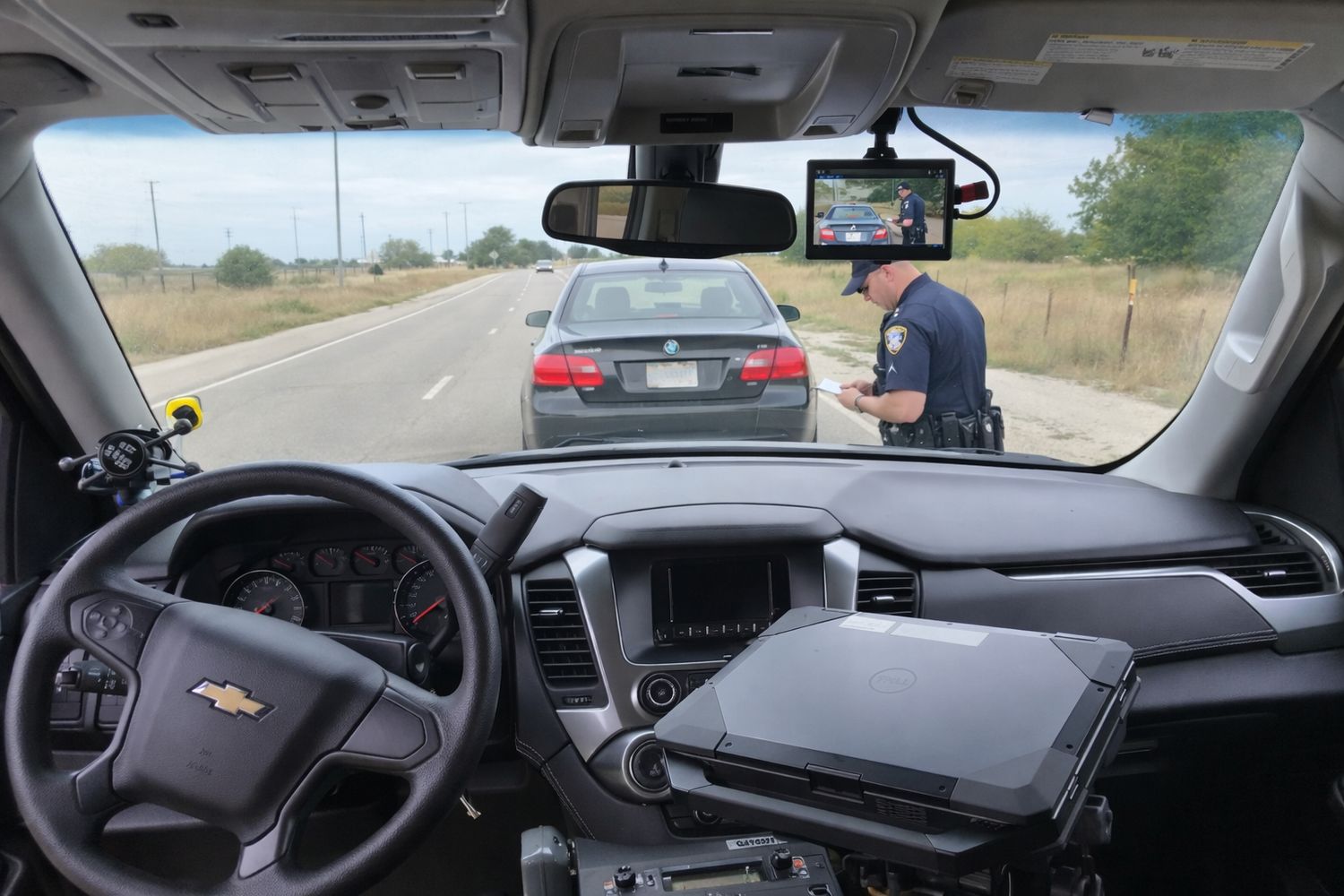
Police in-car cameras can provide a record of events within their field of view and microphone range. Their usefulness depends on activation, placement, equipment condition and how recordings are handled. Here are five practical reasons agencies evaluate these systems.
1. Document Events for Later Review
Video and audio may help reconstruct parts of a traffic stop or another recorded incident. A recording is one source of evidence: it may miss activity outside the frame, obscured details or speech the microphone did not capture.
2. Support Accountability and Complaint Review
Recorded material can help investigators examine disputed accounts and officer conduct. It should be considered with other available evidence, rather than treated as an automatic finding for or against a participant.
3. Inform Training and Supervision
Authorized review can provide examples for discussing communication, procedures and decision-making. Agencies should specify who may use recordings for training and how sensitive information will be protected.
4. Preserve Material for Investigations and Proceedings
A useful recording needs a workable process for storage, retrieval, access and retention. NIST recommends documenting where digital evidence came from and how it was transferred, using integrity checks such as hashes, and protecting backup copies. Build those steps into the agency’s handling process; installing a camera alone does not establish file integrity or chain of custody. NIST digital evidence preservation guidance (PDF).
5. Help Evaluate Safety and Procedures
Reviewing incidents can help an agency identify issues in its practices and equipment. Cameras do not themselves prevent injuries, eliminate lawsuits or guarantee that every interaction is recorded.
What the Research Supports
An early COPS/IACP evaluation of in-car cameras reported positive findings across several policing outcomes and emphasized planning for recording and evidence management. It is historical research, not a guarantee of current results for every agency. Read the Office of Justice Programs’ report summary for its scope and context.
This article is an educational resource about in-car video. Equipment decisions should follow the agency’s current operational needs, recording policies and evaluation of the specific system.
Related Martel equipment
Common Questions and Answers
Can a police car camera capture everything that happens?
Every camera has limits in field of view, sound pickup, placement and activation. Review the system’s coverage and test representative conditions rather than assuming that one recording contains every relevant detail.
Does buying a camera establish an evidence-handling process?
Equipment needs supporting procedures for access, transfers, retention and preservation of originals. Follow the agency’s approved policies and the system’s documented handling process.
What should an agency consider besides image quality?
Evaluate microphone coverage, power, mounting, activation, storage capacity, export and playback, access controls and staff training. Test the complete workflow, including retrieving a saved recording.
Is the live display enough to verify a usable recording?
Check a saved sample from the installed system. Review both picture and sound, timestamps and file retrieval using the equipment and process the agency will actually use.