TIME IS RUNNING OUT FOR 2026 TAX WRITE-OFFS

Should a Witness’s Name Go in a Job Dictionary or Your Main Steno Dictionary?

Choose where to save a witness’s name in CAT software. Test a job dictionary against your main steno dictionary with two practice jobs on Windows 11.
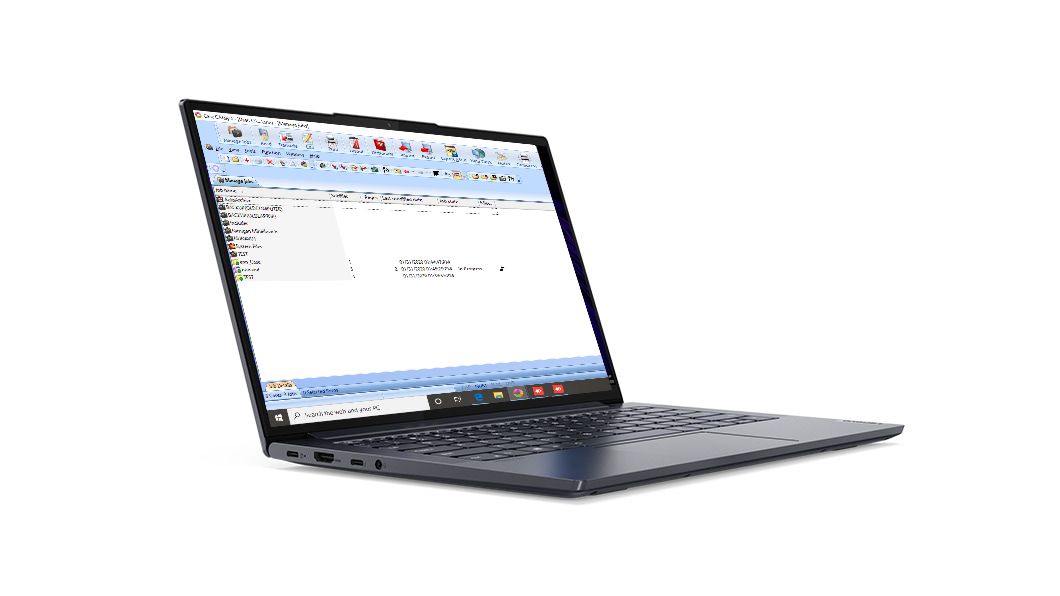
Open Martel Elite Court Reporter Laptop viewed from the front at an angle
Elite Court Reporter Laptop. View Martel’s product details for SKU 1978.

Put a witness’s name in the job dictionary when that spelling belongs to one assignment. Give it a distinct outline if an ordinary word in the testimony sounds the same. If the same person appears on several days of one matter, a case dictionary can carry the entry across those jobs when your computer-aided transcription (CAT) software supports it. Consider the main dictionary when you expect to write the name in unrelated work and can write it reliably without changing another word you need.

Imagine reporting a deposition about a ferry. A witness introduces herself as Etta Saylor. A few minutes later she says, “The sailor handed me the tag.” Those two lines pose two different questions. Where should the spelling Saylor be available? What should your fingers do when you hear it? A job dictionary can answer the first. A deliberate choice of outline answers the second. The ferry testimony, people and assignments in this guide are fictional. You can write the examples into practice jobs on your own equipment and see exactly what follows you into the next file.

View the Windows 11 Elite Court Reporter Laptop.

Trace one name from the writer to the finished sentence

On a steno writer, a stroke is a combination of keys pressed together. An outline may consist of a single stroke or a sequence. The reporter writes an outline, and the translation software consults the entries available to that job. An entry pairs an outline with its intended output. You may have one that produces an ordinary word, one that produces a whole name, or one that carries instructions affecting spacing or capitalization. The printed sentence gives you the result. The notes view, where available, gives you the input that led there.

Suppose a draft reads, “I handed the tag to the sailor,” when the witness actually said, “I handed the tag to Saylor.” The sound alone offers little help. A recording can confirm which words surround the sound and whether a title preceded it. It cannot spell a surname whose pronunciation matches an ordinary noun. The witness’s spelling, the reporter’s contemporaneous notes and identified materials for the proceeding can help settle the letters. Then there is the separate question of how to produce those letters the next time the speaker uses the name.

Start with the shortest span that actually represents the name in the notes. If the screen shows “the sailor,” did you write an outline for “the” followed by one for “sailor,” or did one outline produce both words? That matters. A definition applied to the entire span could absorb an article the speaker used somewhere else. In a working copy, write a short contrasting line and examine the stroke boundaries. Select deliberately before defining anything. The visually highlighted English text and the selected raw strokes may have different boundaries.

Definitions and text edits also have different jobs. If the witness’s last name appears once, a verified correction in the appropriate working transcript may be all you need. If counsel uses the name throughout the afternoon, a dependable way to write it can spare you a string of later corrections. An edit repairs an occurrence you can see. A definition gives the translator a rule to apply under the conditions in which that dictionary is active. Some commands do both. Read the options for the command you intend to use before selecting a group of matches.

Here is a simple diagnostic for a reporter deciding what to fix. Write the surname once, followed by the ordinary noun, and examine your notes. If you used the same outline twice, the translator received the same written signal twice. It may have context features, but you still need a way to make the intended distinction dependable. If the outlines differ and both produce the wrong spelling, follow each one to its active definition. You now have a concrete problem to investigate instead of an impression that the dictionary has suddenly stopped knowing someone’s name.

Choose the smallest set of jobs that needs the entry

For a single deposition, start by asking which future file should recognize this person. The answer might be just today’s examination of Etta Saylor. A job-specific dictionary is a sensible home for the verified spelling and any special outline you introduce to write it. When setting up the file, check which local dictionary is active for translation and which destination your define command will write to. An open dictionary editor and the live list of translation dictionaries serve different purposes.

A second day of the same matter changes the decision. Counsel may return to the same person, exhibit markings and company names for several sessions. If your software can attach a case-level dictionary to the relevant jobs, a small set of verified definitions there saves repeated entry. If it uses separately selected dictionaries, give the matter dictionary an unmistakable name and check the selection in each new job. Reopening yesterday’s finished transcript is a poor test of whether tomorrow’s new translation will use the same entries. Write a fresh name in the new job and inspect it.

For an attorney you encounter across unrelated assignments, a personal or main dictionary can be appropriate. A useful candidate has a consistent, verified spelling and an outline you recognize under pressure. You can explain what it produces in the absence of any case-specific dictionaries. Seeing a witness’s name fifty times in one afternoon demonstrates the value of a local brief. Seeing the same verified name in unrelated jobs gives you a different reason to make it permanently available. Keep the number of occurrences and the number of distinct settings separate when you make that choice.

Some surnames make an easy local entry even when the main dictionary already knows the spelling. You might have a deliberate two-stroke outline for Saylor at home, yet want a short full-name brief for this witness during a long examination. A local entry for “Etta Saylor” meets that need without disturbing the permanent surname. It also gives you two ways to write what counsel actually says. You can use the full-name brief when both names are spoken and the surname outline after “Ms.” or when counsel uses the surname alone.

Use the last column in the table to check what each storage choice means for the next sentence or assignment.

How the name will be usedFirst place to try itA line to write afterward
One witness in one depositionCurrent job dictionary, using a distinct name outlineThe sailor called Ms. Saylor.
One witness returns in several sessions of a matterCase dictionary or a deliberately selected matter dictionaryStart the next day’s practice job and write the verified surname.
The same attorney appears in unrelated casesTest a distinct full-name or surname outline in a practice copy of the main dictionaryDevon Lane drove in the left lane.
An uncertain spelling was heard onceMark the occurrence for verification in the working transcriptCheck the spoken spelling or identified source before making a definition.

Give the surname an outline your hands will recognize

For the Saylor example, choose two outlines in your own theory. Call the everyday outline the “noun stroke” and the one you intend to use for the witness the “name outline.” These labels stand in for the chords you really write. The exercise works with a different pair on every reporter’s writer. It depends on your ability to reach for each one at conversational speed. Copying somebody else’s proposed chord would conceal the very conflict you want to discover in your personal dictionary.

Before introducing a new name outline, look it up as steno. Searching the English word Saylor can show existing ways to produce that spelling. Searching by the proposed stroke or stroke sequence can show another word already attached to the same input. These searches answer different questions. Do both when your software offers them. Include active job or subject dictionaries in the review. A promising stroke in the personal dictionary might already identify an exhibit number or an expert’s surname in the file you are about to translate.

An added identifying stroke, a familiar proper-name convention from your theory, or a slightly longer outline can give the name a useful identity. Write each candidate in a line with a job title immediately before it and an ordinary word immediately after it. A sequence that feels fine in isolation may be awkward between “was” and “standing.” If the last stroke of the title and the first stroke of the name can form another familiar phrase, inspect the translation of the whole line. The best practice sentence resembles the transitions that make this particular name difficult.

Try three grammatical forms on fresh lines. Use “Saylor identified the envelope,” “I handed Saylor’s envelope back,” and “Did anybody speak to Ms. Saylor?” Check the letters, the apostrophe, the period in the title where your style calls for it, and the space before the next word. The entry that successfully gives you a bare surname has proved one thing. Possessives and adjacent titles still deserve a sample, particularly if your theory uses a suffix or a formatting command in a separate stroke. Keep punctuation decisions tied to the actual sentence you are producing.

Keep a familiar fallback, such as your usual longer spelling of the name. Practice it alongside the brief. During fast questioning you can recover the longer route immediately if you forget a new outline, and the editor will still know which person was meant.

Find out which dictionary wins in two practice jobs

Set up two fictional jobs called Breakwater and Ferry Schedule. Use your software’s documented method to make a practice profile or disposable copies of the relevant dictionaries. Write down which copies are loaded. Open the practice main dictionary and confirm that your noun stroke produces the word sailor. The Saylor-specific name outline should have a known starting result too. It might already translate to something, or it might appear unresolved. Record exactly what you see. This is your starting point for identifying the effect of each change.

In Breakwater, add the verified spelling Saylor for the distinct name outline in the practice job dictionary. Leave the noun stroke alone. Confirm both the file that received the definition and the dictionary list actually selected for the translation. Then write a new line using both outlines. “The sailor called Saylor at the gate” tests the spelling and the order in a single sentence. Type the English target on a separate worksheet. Write the sentence from steno in the practice job so that the result measures translation rather than your ability to type the expected answer.

Open Ferry Schedule with the same practice main dictionary and its own local setup. Verify that the Breakwater dictionary is absent from the active list. Write the identical two outlines in a fresh line. The noun should keep its everyday meaning. For the unused name outline, compare the output with its starting result in the unmodified setup. The desired observation is that Breakwater’s newly added definition has no effect here. If your main dictionary already produces Saylor for that outline, use a fresh, otherwise unused practice outline so the difference can actually be observed.

There is a second experiment worth doing entirely within these disposable copies. Deliberately give the noun stroke the spelling Saylor in the Breakwater job dictionary while the practice main dictionary gives that same stroke the word sailor. Write the noun twice, once where a person belongs and once where a ship’s crew member belongs. Read the new lines and inspect the dictionary order. In a setup where the job definition takes precedence, the common noun may now come out as the surname too. That exposes the limitation of storing a conflicting definition locally. Both meanings still occur inside one job.

Remove that deliberate collision from the practice copy, reactivate the distinct name outline and write the same two sentences again. To examine the main-dictionary option, place the verified, distinct name outline in the disposable main copy. Deselect Breakwater’s dictionary in both exercises and start fresh translations. If both reference the same main copy, you can now test whether both produce Saylor. This sequence shows the scope of the main definition without using a working personal dictionary as a laboratory. It also gives you a sample whose meaning stays clear when you compare a second computer later.

Write one exchange that forces both meanings into view

Use this invented exchange as dictation. Ask a colleague to read it, or read the lines into a practice recording of your own. “Please state your name and spell your surname.” “Etta Saylor. S, A, Y, L, O, R.” “Did the sailor at the pier give you a tag?” “The sailor gave the tag to Ms. Saylor, my aunt. I put my initials on the back.” “When you say Ms. Saylor there, which Ms. Saylor do you mean?” “Nora Saylor. I’m Etta.” Print the intended spellings below the practice notes when you review them.

The passage deliberately gives you two people with one surname. The job dictionary can give you accurately spelled Saylor each time, yet no dictionary choice can tell the reader whether a bare “Ms. Saylor” means Etta or Nora. Preserve the distinction the speakers actually make in the dialogue. When the witness finally supplies Nora, include it at that point. A brief that silently expands every surname to “Etta Saylor” creates a misleading first name in the exchange. Keep separate outlines for what was spoken as a bare surname and what was spoken as a full name.

Pay attention to the spelled letters too. The question asks for the surname, and the answer gives it. An outline for the full name can be very fast, but it cannot substitute for the actual sequence of letters when the witness spells aloud. Use the steno, letter-writing and formatting conventions appropriate to your work. During scoping, check for two separate things on that line. Read the immediately spoken name, then read the individually stated letters in order. Keeping your place in the sequence matters more here than whether another occurrence of the surname farther down happens to look correct.

Give the reader one more surprise in a second invented exchange. “Was Saylor painted on the tag?” “No. It said Sailor, the job title, in block letters.” “Who wrote it?” “Nora Saylor.” Here the quotation or exhibit wording may have different capitalization and letters from the witness’s surname. Inspect the referenced practice tag, which you can make by writing SAILOR on an index card before dictation. When you review the exercise, mark the letters from the tag separately from the witness’s last name. The same speaker can refer to a person and read a different word within one answer.

Score the practice passage by category. Count correct surnames, correct occupations, and correct full-name occurrences. Record the actual number of opportunities for each. A total such as “one mistake” is hard to act on. “The bare surname expanded to a first name in the aunt’s sentence” points directly to the definition that deserves attention. If the letters are right but the attachment of an apostrophe is wrong, give the spacing or suffix its own mark. A spelling fix and a formatting fix often call for different entries or different choices at the writer.

Repair earlier mentions without changing the witness’s words

Sometimes the right spelling arrives late. In a fictional afternoon hearing, imagine that counsel first calls a technician “Mr. Renn,” then asks him to spell his name halfway through the examination. He says R, E, H, N. Make a note of the point at which you have that information, verify the intended name, and choose the appropriate destination for future definitions. Then review earlier occurrences in the working transcript. A newly saved definition and an already translated sentence reflect different moments in the job.

Build a search around the actual forms you saw. The first misspelling might read Renn, a second occurrence might display Wren, and one bare outline may remain in the notes. Include title forms such as “Mr. Renn” if they narrow the search. At each match, read enough of the question and answer to identify the person or object. A birdwatching example can contain the ordinary word wren, and a printed exhibit can contain an unrelated name spelled Renn. Similar sound offers a reason to investigate the occurrence. It does not settle its meaning.

Keep a small map of the corrections that actually belong to the technician. A row might contain the question’s opening words, the original output, the verified spelling and a short explanation such as “the technician identifies his own badge.” Page and line numbers may shift during later formatting. A few neighboring words let you find the same point again. Recheck any passage in which a different person is being quoted. A quotation about the printing on a badge can faithfully contain an earlier, inaccurate spelling even after you know the technician’s preferred spelling.

If your CAT program offers a command to retranslate using updated definitions, look up what that command does to edited text and formatting. Try it on a separate working copy with a small known passage first. Compare the line you want to fix and a nearby line that already contains a deliberate edit. If the second line changes, you have learned something important about the chosen operation. It may be quicker to repair verified occurrences individually or to use a more limited, documented operation. Leave a readable version of the job available while you decide.

Carry the right spelling into the next day’s job

A continued deposition has two separate needs. The reporter wants yesterday’s verified spellings at hand, and the new file needs a working set of definitions at translation time. A list of names can meet the first need even when the laptop has selected a different dictionary. Set up the second day, confirm the active files, and write a test passage mentioning two people from the first day and one ordinary word from the subject matter. Using both helps you find a local override that might otherwise hide behind a correct-looking proper name.

Suppose a relief reporter takes the next day in the fictional Breakwater matter. A useful handoff could read, “Etta Saylor identifies herself in the morning. Nora Saylor is her aunt. The crew member is described as the sailor.” That tells the new reporter what the similar sounds can mean. You can provide a verified spelling list through the channel appropriate to the assignment. The relief reporter may choose entirely different outlines. Your personal strokes reflect your own writing theory and habits, and importing someone else’s job definitions requires a check for conflicts with the recipient’s dictionaries.

If you exchange a dictionary for a jointly authorized job, identify the purpose and the version of the file. Keep operational notes such as the tested compatible format alongside the copy. Ask the recipient to test one unique entry and one possible conflict in a local practice job before the next session. The receipt of a file proves it arrived. The small translation test shows that the recipient’s software can read the entry, that the file is selected, and that their writing reaches the intended spelling. Limit the material you share to what the assignment permits and needs.

If several reporters maintain a case dictionary, agree who will distribute corrections. A later file date can reflect edits to an unrelated entry. Note the spelling, the source that verified it, the jobs it applies to and who has received it.

Decide whether a local definition has earned a place in the main dictionary

Think about a recurring attorney named Devon Lane in an invented group of unrelated matters. You have a readily remembered full-name brief, and you have checked the spelling on more than one assignment. Meanwhile, you use the common noun lane constantly in traffic testimony. A full-name entry or a distinct surname outline might be a good candidate for your main dictionary. Making the ordinary road word turn into the attorney’s name across your entire practice would cost you time in traffic cases. Judge the outline you propose, as well as the word it will produce.

Begin with a dated copy of the working main dictionary using your CAT software’s supported backup process. Locate the specific entry you are considering. Search the destination copy by outline, then inspect related phrases built from neighboring strokes. Note the present definitions. When a program offers to import a whole dictionary, review the duplicate-handling choices in its documentation before using that operation. Bringing an entire assignment into the main file to gain a single name can also import dozens of case-specific expressions whose scope you have never evaluated.

To test Devon Lane, dictate a short run with a surname, a full name and two ordinary uses. “Devon Lane drove in the left lane. Ms. Lane described changing lanes near the ramp.” Add a sentence without any names and one in which counsel says just “Devon.” Check your prospective main copy with no case dictionary selected, then with a typical current job dictionary selected. A clean result in both circumstances gives you a practical reason to keep the new entry. A surprising result identifies a conflict you can isolate before making a lasting change.

Promotion does not require discarding the job dictionary that helped produce an earlier assignment. Retain the versions needed for your established workflow, and keep their roles clear. Record the date, outline, meaning and reason for the change in a short personal note. During a future review, “full name of recurring counsel, checked in traffic practice” will tell you more than an unexplained entry sitting among thousands of definitions. If the brief falls out of use, review a copy before archiving it through the method your software supports.

Check the dictionary on a replacement Windows 11 court reporting laptop

A new laptop is a good occasion to see which part of a familiar translation belongs to the computer, which part belongs to the software, and which part travels with your dictionaries. Before moving equipment, create a small, fictional job on the current computer. Include a bare surname, a possessive, a full-name brief, and the ordinary word that sounds like the surname. Keep the test notes, the expected lines and the names of the dictionaries used. Leave client material out of this sample so it is easy to use during setup.

After the move, open the same practice notes on the new laptop using your installed, licensed CAT software and its documented translation procedure. Check the chosen profile, main dictionary, local file and applicable priority. Verify visible differences at the stroke level. One changed proper name can point to a missing job dictionary even when the rest of the text reads fluently. If the laptop reproduces your old translated document, also translate fresh practice notes. A previously saved document can display the correct English without invoking the new computer’s dictionary setup.

If you are shopping for a Windows 11 computer for stenographer software, Martel’s Elite Court Reporter Laptop, SKU 1978, is the hardware to review for this workflow. Martel’s product page describes assistance transferring CAT software, dictionaries and files, as well as laptop support. For an order discussion, say which CAT release you use, which writer supplies your notes, and which profiles or job dictionaries you expect to move. Confirm your software license and activation arrangements with its provider. That gives the equipment and setup teams two concrete tasks to plan for.

On the replacement laptop, have the reporter write one fresh line in Breakwater and one in Ferry Schedule. Then ask them to point to the destination of a new local definition. That checks the transferred files and their next everyday use.

30 questions and answers

1. Where does the name go if I expect to hear it only once?

If you have a reliable way to write the name and can verify the spelling, a one-time transcript correction may cover the occurrence. A job definition earns its keep when you expect the name again or want the local notes to translate predictably during a later review.

2. Is a case dictionary useful for several unrelated jobs involving the same law firm?

Think about which people are genuinely shared across those assignments. A recurring attorney may fit your main dictionary. Witnesses and matter-specific exhibit names usually belong to the individual jobs or matters. A firm name on the calendar alone gives little reason to load one client’s entire vocabulary into another job.

3. How can I find where my define command actually saved a new name?

Use a distinctive practice name, then open the dictionary you selected as the destination. Search by the exact steno and read the saved English. Close the editor, reopen that same dictionary and check again. This verifies the saved entry even if the current transcript already displays the spelling you wanted.

4. Why did searching the surname miss an existing conflict?

A search for the output Saylor finds entries containing those letters. A conflicting entry that translates the proposed outline to sailor, or even to an unrelated phrase, contains different text. Search using the outline you plan to write. Check which of the matching dictionaries will be active for the job.

5. Can voice playback settle whether the name is Saylor or Sailor?

Playback can reveal a title, a reference to a person, or a passage in which the witness spelled the letters. Two identical-sounding pronunciations in isolation leave the spelling unresolved. Look for the verified spelling relevant to that speaker, and mark the occurrence for follow-up when the available material leaves it uncertain.

6. What if the witness spells a name differently from the appearance sheet?

Preserve the spoken spelling in the appropriate passage and flag the discrepancy for the reporter’s normal verification process. Note which source supplies each version. A local definition should reflect the spelling verified for its intended use. One change cannot settle every instance where somebody is quoting a differently spelled document.

7. How should I test a name containing a diacritic?

Verify the actual character and enter it using the documented method for your CAT software. Write the outline in a practice sentence, then view a sample in the output format you use. Check the character at normal reading size. Looking correct in the dictionary editor alone leaves the exported representation untested.

8. Should two witnesses with the same surname share a single brief?

A bare-surname outline can serve both when their spellings match. Give first names or full names distinct outlines when the speaker actually uses them. Write an exchange that mentions both people. You want to be able to produce exactly the degree of identification present in each question or answer.

9. May a brief add “Dr.” every time I write the expert’s surname?

Give the title-bearing phrase its own entry if it occurs often. A surname-only outline should remain available when counsel addresses the witness without the title or reads a signature. In practice, alternate “Dr. Perrin,” “Perrin” and “the doctor” until all three forms appear exactly where you intend.

10. What if the name includes a particle such as “de” or “van”?

Verify the complete spelling, capitalization and spaces as used for that person. Check the full name and the form used after a title. In an exercise, follow it immediately with an ordinary lowercase word. That reveals whether any capitalization instruction in your entry accidentally extends beyond the name.

11. Can I give a hyphenated surname one short outline?

Yes, if the outline is available and the full spelling is verified. Try it at the beginning and end of a sentence, with a possessive and following a title. Also keep a way to write either part alone if a speaker quotes a shortened name, corrects a spelling or spells individual segments.

12. My proposed outline is already inside a longer brief. Is it still usable?

Check the translator’s treatment of the actual sequence. Write the short outline alone and the longer brief in context, including the next ordinary word. Look at the raw strokes and the English output together. The result on your active setup is a better guide than a guess based on the English phrases.

13. Why does the common word look like a proper name at the beginning of my test sentence?

Sentence-initial capitalization can mask the distinction you meant to test. Move the word to the middle of a line after “the” or “a,” then write the surname in a place that also falls mid-sentence. Compare letters as well as capitalization. That makes it easier to see which definition supplied the output.

14. What should I do if cross-examination is moving too quickly to build a reliable entry?

Use a practiced way to write the name and mark the point by your usual review method. During a pause, confirm the spelling and create an entry if future use warrants it. A familiar longer outline offers a predictable result while your attention is on the questions, answers and speaker changes.

15. Could an accidental extra key explain why one occurrence translated differently?

Inspect the actual notes at the unexpected word and write a second sample deliberately. Compare the two outlines. If they differ, check whether a different stroke, suffix or neighboring chord accounts for the text. Changing the definition of the intended outline may have no effect on the different one actually recorded.

16. What should I inspect when the right local dictionary is active but another translation wins?

Check the exact outline, any surrounding strokes, and the priority of all selected dictionaries. Confirm that your entry was saved in the file you think is loaded. Try the outline on a fresh mid-sentence line. If it works there, return to the original stroke sequence and examine the effect of context.

17. Why was my temporary name still available when I started the next assignment?

Review the translation selections in the new job, any remembered setup choices and definitions stored on the writer if it performs its own translation. Use a fictional sample to locate the source. Closing yesterday’s transcript does not establish which dictionaries the next translation opened or which definitions the writer kept.

18. Why can the laptop get a name right while the writer’s display gets it wrong?

A writer that translates on its own may have its own dictionaries, selections and transfer procedure. Confirm which device produced each display. Compare fresh strokes on both, then check the manufacturer’s documented method for loading and selecting dictionaries on your particular writer. Preserve working copies while identifying the difference.

19. Does a new job definition automatically change the line counsel already saw in realtime?

That depends on the translation and delivery software and the operation performed. Test with an authorized practice viewer. Write the original line, add the definition, write a new line and inspect each display. Record whether earlier text changes on the reporter’s screen and separately whether the viewer receives a revision.

20. Can I bulk-replace every instance of a misspelled surname after the deposition?

Review the matches and their contexts first. Some may refer to another person, a different ordinary word or a printed label being read aloud. Where the software offers a review-one-at-a-time option, use it on a working copy. A shorter, verified set of changes makes later proofreading easier.

21. How many appearances should trigger promotion to my personal dictionary?

Count separate working contexts along with appearances. A name used repeatedly by one expert may deserve a very good job brief. A recurring official or counsel may deserve a permanent, collision-tested entry. Write down why you expect to use the exact spelling again and what existing meaning the new outline could affect.

22. Is a client’s glossary the same thing as a job dictionary?

A glossary can supply spellings and explain terms. A reporting dictionary connects particular steno outlines to output. Treat a glossary as preparation material, verify spellings where necessary, then choose your own outlines for the entries you expect to write. Test them in an actual practice translation before relying on them.

23. What if two backups contain different spellings for the same outline?

Open copies separately and inspect the disputed entry, its role and any note explaining the change. Compare each against the verified spelling for the intended assignment. Preserve both copies while you decide. A newer file date may reflect unrelated edits and provides little evidence about which version of this particular name is correct.

24. What should I give a scopist who encounters an unexpected surname?

Provide the verified spelling, enough surrounding dialogue to locate the passage, and any distinction between people with similar names. Use your normal authorized handoff channel. If the scopist will retranslate a working copy, identify the dictionary version used. Agree who will decide uncertain occurrences and update the reporter’s working record.

25. Could a relief reporter simply use my printed spelling list and choose their own outlines?

Yes. A verified list of names with useful distinctions can travel across theories and software versions. Include whether a term is a person, organization or exhibit marking when it clarifies an ambiguity. The relief reporter can then build and test suitable entries in their own approved job setup.

26. What does a duplicate-entry prompt during a dictionary import mean?

The destination already recognizes an outline found in the incoming file, or the software has identified another entry requiring a decision. Read the displayed outline, old text and incoming text. Inspect the program’s actual choices on disposable copies before applying one answer to every duplicate in a large import.

27. How can I catch a mistaken job association before the first witness begins?

Write a job-specific full name followed by an ordinary sentence from a different subject. Look up the name’s entry and note the supplying dictionary if your software shows it. The first line checks that local vocabulary is available. The second can expose vocabulary left active from a previous assignment.

28. Should initials and generational suffixes live inside the surname definition?

Make entries that match the forms people actually say. A full-name brief can include verified initials or a suffix while the bare-surname brief remains usable on its own. Test punctuation and spaces in a sample containing both forms. A speaker may distinguish two relatives by saying a suffix only once.

29. Would a new court reporter laptop correct a bad dictionary entry?

A dictionary entry is a software mapping. A new computer can reproduce the same mapping after a transfer. Identify the outline, correct destination and verified spelling first. When you also need new hardware, use a known practice passage to confirm that the chosen laptop reproduces the dictionary behavior you intended.

30. What should I tell Martel when planning a Windows 11 laptop transfer?

Give the model of your writer, your CAT software version, the location of your licensed installation and the names or types of dictionaries you use. Ask which transfer steps are included with the Elite Court Reporter Laptop, SKU 1978. A fictional test job lets you verify the setup without exposing client testimony.

Martel equipment and related guides

Elite Court Reporter Laptop · SKU 1978

This article is for educational purposes only.