HGM-2 Battery Microphone vs. HGMUSB: Choosing a Court Reporter Recording Path
Compare the Martel HGM-2 battery microphone and HGMUSB microphone. Choose a recording path, check inputs and power, and test the saved sound.
Plan a Martel DC7 purchase across two budget years. Review equipment pricing, payment terms, optional uploading, installation and department quote checks.
Martel Equipment Guides · Department purchasing
A payment schedule is most useful when the equipment, installation work, and second-year obligation are visible together. Build a practical DC7 proposal that finance, fleet, and the people handling recordings can review from the same information.
View the DC7 system and current terms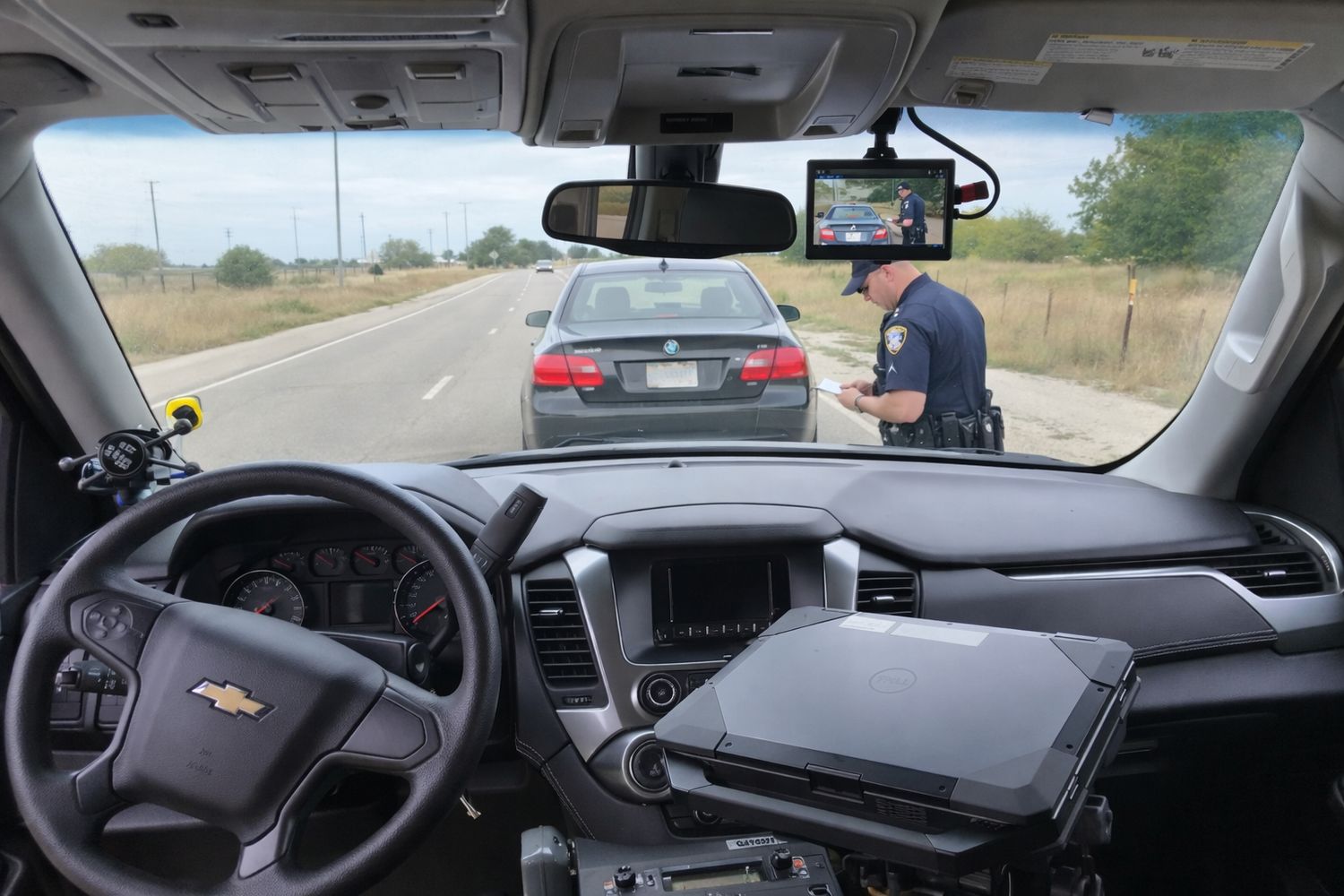
A department can know which camera system it wants and still have an unfinished purchase request. The equipment amount may be clear while the installation date, station receiving arrangements, training time, and payment responsibility remain scattered across several conversations. Dividing the equipment payment between two budget years adds one more dependency: the person approving this year's request must be able to see what remains for the following year.
This guide develops an original planning method for that situation. It uses Martel's DC7 offer as a concrete starting point, then separates the supplier's equipment terms from the department's own costs and approvals. The worksheets and examples are planning aids. They are not quotations, statements of eligibility, or instructions about the legal treatment of a multiyear commitment.
At the November 9, 2026 review, the DC7 product page listed a system price of $3,999.99 and a qualifying government purchase arrangement of $2,000 in the first budget year and $1,999.99 in the next, subject to approved purchase order and payment terms. The useful next step is a written, dated proposal for the department's actual quantity and configuration. That proposal becomes the basis for approval; a general example on a webpage does not establish the agency's purchasing authority.
Begin with a sentence that explains the operational reason for the request. For example: “Equip two replacement patrol vehicles with the department's approved in-car recording arrangement before they enter routine service.” That statement identifies a quantity, a vehicle group, and a readiness event. It also makes it easier to notice an unrelated addition that appears later in the order.
Keep the purpose narrow enough to evaluate. A statement such as “modernize all evidence technology” can conceal several projects with different owners and schedules. A camera purchase may connect to evidence storage, but it should not silently become a complete records-system replacement. If another system genuinely needs to change, give that work its own line and identify the dependency.
Describe the present condition without exaggeration. Are the vehicles replacing older equipped cars, filling a gap, or entering a new program? Which existing resources are proposed for reuse? Name any uncertainty that affects the plan, such as whether the current station computer meets the intended receiving arrangement. A precise unknown is something the project can resolve. An assumed free resource can become an unexpected cost after approval.
The department needs answers about scope, payment, readiness, and authority. They influence one another, but answering one does not answer the other three. A quote can identify the supplied hardware while leaving local installation undecided. An approved budget line can provide funds while a purchasing officer still needs to review the commitment. An installed system can record while staff have not yet demonstrated the required transfer and retrieval process.
| Planning question | Useful evidence | Who should resolve it? |
|---|---|---|
| What will be supplied? | A dated itemized quote, selected options, quantities, and agreed services. | The department's project owner with Martel and purchasing staff. |
| When will money be due? | The accepted payment schedule and the agency's funding record. | Finance and purchasing, with supplier confirmation. |
| When will the equipment be ready for service? | A schedule covering delivery, installation, checks, and training. | Fleet, operational supervisors, and the responsible technical staff. |
| Who may approve the commitment? | The agency's applicable purchasing process and documented approvals. | The agency's authorized procurement and finance officials. |
Assign a named owner to each unanswered question. “Finance will handle it” is weak project information if several people believe someone else has already done so. The owner does not have to perform every task personally. The point is to give the project one person who can say whether that part is complete and where the supporting record can be found.
Martel describes the qualifying DC7 split as having no financing charges and not being a loan. The page also makes clear that a quote request does not place an order. Those supplier statements help define the conversation, but the department should still obtain its exact due dates, purchase-order requirements, and approved terms in writing. The phrase “next budget year” is not a substitute for an agreed payment date.
Record the entire equipment commitment alongside the first-year amount. A request showing only the immediate payment can make the proposal look smaller than it is and leave next year's planner without essential context. The same record should show the unpaid amount after the first payment, the responsible account or funding source if determined, and the person who will carry the obligation into the next planning cycle.
Do not infer shipment or installation timing from the arithmetic. Ask when the full agreed equipment is expected to ship, which conditions must be met first, and how the department will schedule the vehicles. If the department needs all vehicles ready before a particular event, make that requirement explicit while the quote is being prepared. A payment split and a phased equipment delivery are different arrangements that need separate confirmation.
Sales tax, where applicable, should be estimated and reviewed separately from the equipment split. The same is true of costs that the department incurs through other providers. Keep these amounts visibly separate until the responsible parties confirm how they will be billed and funded. This prevents a correct equipment calculation from being mistaken for a complete project total.
A useful worksheet has one row for each distinct purchase element. Start with the number of complete DC7 systems. Add the station wireless-upload option only for the systems intended to use it. Then list any other quoted accessories or services exactly as described in the proposal. Do not create an allowance labeled “extras” when a known requirement can be named and priced.
The current DC7 page describes optional station wireless uploading at $399.99 per system, with an offered $200 first-year and $199.99 second-year split when selected. It uses the agency's station computer and routers and is described as having no monthly upload fee. That does not tell the department whether its existing receiving arrangement is suitable. Have the intended configuration reviewed before treating those resources as ready.
Illustrative arithmetic only: The following examples use the reviewed product-page amounts. They exclude tax, installation, local computing or storage purchases, and any separately quoted work. They show how to keep the whole equipment amount visible; a written department quote controls the actual order.
| Illustrative selection | Total equipment amount | First-year portion | Second-year portion |
|---|---|---|---|
| One DC7 system | $3,999.99 | $2,000.00 | $1,999.99 |
| One DC7 with the stated wireless-upload option | $4,399.98 | $2,200.00 | $2,199.98 |
| Two DC7 systems, each with that option | $8,799.96 | $4,400.00 | $4,399.96 |
Keep cents throughout the calculation. Two options priced at $399.99 total $799.98, not $800.00. A rounded planning headline can be convenient, but the detailed worksheet must reconcile with the supplier's line items and schedule. Label any separate contingency or allowance explicitly so that a reviewer can distinguish an intentional reserve from an arithmetic error.
Include a status column: quoted, internally estimated, awaiting confirmation, or excluded by decision. That column is often more useful than another decimal place. It tells a reviewer whether the number is ready for approval or still depends on a conversation. When a revised quote arrives, update the affected rows and retain enough version information to explain what changed.
Ask fleet staff what the planned vehicles require before assigning installation dates. Vehicle availability, appointment capacity, inspection, and return to duty can affect the rollout even when the equipment is ready. A department using an outside installer should obtain its own scope and schedule. A department using internal staff should still identify the hours and materials that must be available.
For the station side, describe how an authorized person will receive, locate, and review a test recording. The DC7 listing includes USB export and an optional station-upload path. Choose the intended route deliberately, then determine the local work needed to support it. Buying the wireless option does not by itself assign a staff member to check transfers or establish a department's storage practices.
Training should have a place on the schedule and a defined audience. The officer operating the vehicle, the person receiving files, and the person handling support calls may need different demonstrations. A short session can be useful if it is tied to specific tasks. A general product overview alone cannot show that each person can complete the part of the workflow assigned to them.
Consider continuity during installation. If the cars being equipped are already in service, who decides when they can be unavailable? If the project involves replacements, when will any old equipment leave service? Recordings that predate the new system may still need an established access path. Make these transitions explicit without assuming that the new purchase transfers or replaces earlier material automatically.
The easiest time to document the later payment is while the original decision is fresh. Create a brief obligation note containing the accepted total, first payment, remaining payment, due date or agreed scheduling basis, purchase-order reference, responsible contact, and location of the approved terms. Use the department's normal financial records; this guide does not prescribe a new accounting system.
Give the note a review point before the next budget submission closes. That is different from waiting until an invoice arrives. The planning question is whether the future payment remains visible to the people building the budget and whether any change needs authorized attention. A staff transfer or a vehicle reassignment should not make the payment history difficult to reconstruct.
Keep equipment ownership, payment status, and operational assignment as separate fields where relevant. A camera can move to a different vehicle while its purchase obligation remains under the original agreement. A system temporarily out of service can still have a scheduled payment. Linking every financial detail only to the current car number can make later records confusing.
If a funding assumption becomes uncertain, raise it through the responsible agency process early. Do not treat a website statement, an informal conversation, or a delayed project as permission to change accepted terms. The purchasing and finance teams should determine the appropriate response and coordinate any supplier discussion. The planning worksheet helps reveal the issue; it does not grant authority to resolve it unilaterally.
The memo should make the decision easy to understand in a few paragraphs. State the operational purpose, the number of systems, the selected transfer arrangement, the full quoted equipment amount, and the requested payment schedule. Identify separately funded work and any unresolved condition that could change the total or readiness date. A reviewer should not have to discover those dependencies by reading the smallest print in an attachment.
Attach the dated proposal, worksheet, proposed vehicle schedule, and responsibility list. Include relevant department approvals in the place your process requires. Keep vendor terms distinguishable from internal estimates. If the equipment quote is final but the installation cost is provisional, say so in the memo rather than labeling the combined amount a firm price.
Explain the reason for a chosen option in operational terms. For instance, a department may choose a station-upload arrangement because a defined returning-vehicle routine will use it. That reasoning is more useful than saying the option is convenient. It gives the later acceptance test something concrete to check and helps another reviewer understand why the project includes that cost.
Before ordinary deployment, perform a planned demonstration using authorized training material. Identify the vehicle, configuration, test participants, and expected result. Have the responsible officer produce a short test recording, then have the designated staff member complete the selected receiving and review route. The purpose is to establish that the local arrangement works from start to finish.
Observe the details that matter to the department's plan: the intended views, officer audio, understandable controls, correct file identification, successful transfer, and retrieval by the authorized reviewer. If the test reveals an issue, record the observed behavior and the step where it occurred. Keep a problem with installation separate from a missing training step or an unconfirmed station configuration.
Close each outstanding item with an owner and a repeatable check. “Working now” is less useful than “the designated reviewer located and played the training clip after the agreed transfer procedure.” The project can then distinguish equipment accepted for service from equipment still being prepared. Document how the responsible person approves that transition under the department's process.
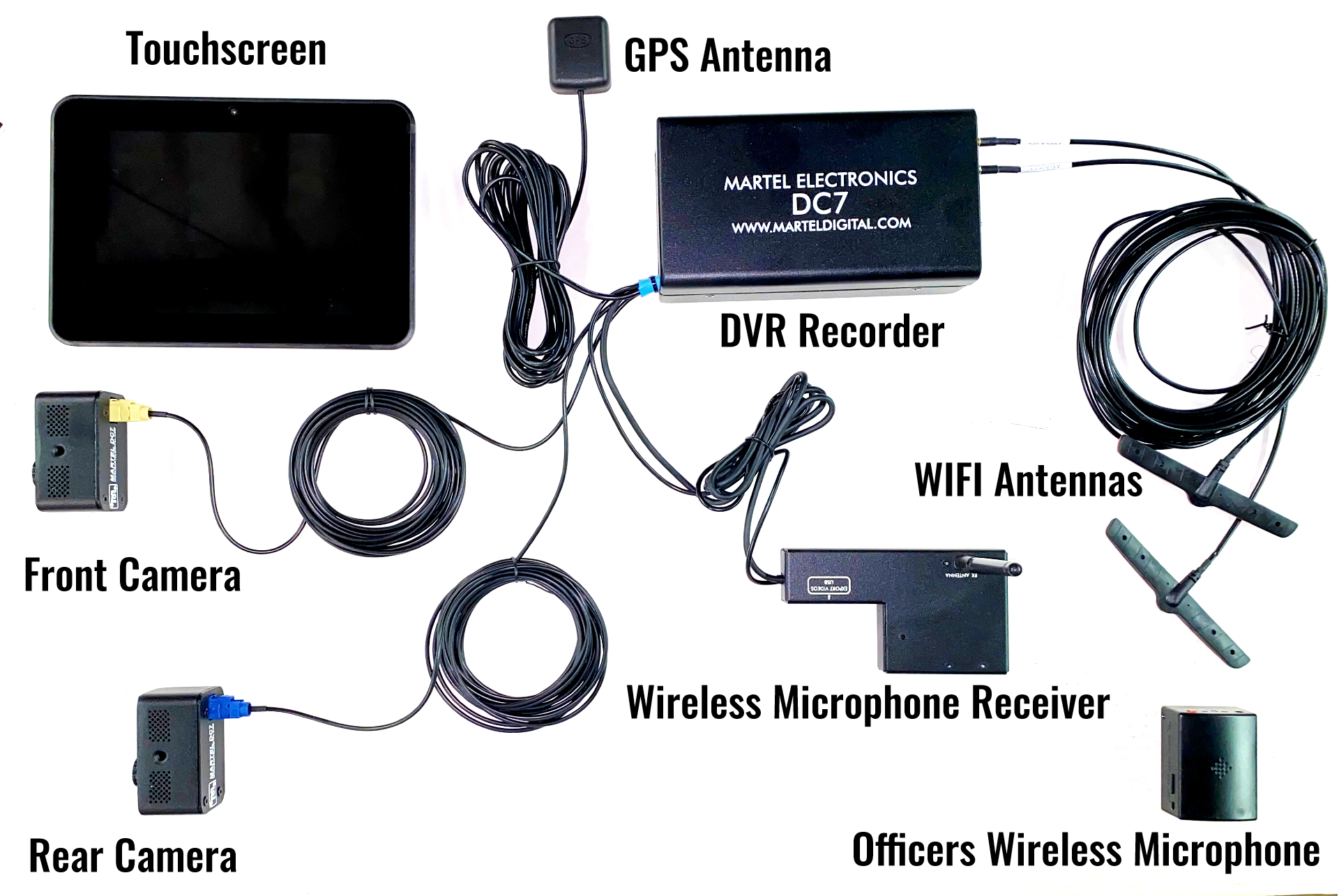
Consider a fictional department preparing two replacement cars for service. Its project owner proposes a DC7 in each car and requests the station-upload option for both. The example equipment calculation is $8,799.96, divided into $4,400.00 and $4,399.96 under the stated split. The owner marks that calculation as provisional until Martel issues the department's quote and the qualifying terms are approved.
Fleet supplies a proposed installation window. Technical staff review the receiving location and identify any local purchases needed. The training supervisor assigns an officer and a reviewer to a demonstration. Finance records the full proposed commitment and the second-year amount, then determines the approvals required under the agency's process. Each contribution answers a different question; none is hidden inside the equipment price.
The resulting request is stronger because it describes the whole decision. It says what will be supplied, how the department expects to make it usable, when the agreed payments will occur, and who will verify readiness. If one unresolved item changes the plan, the owner can revise that part without losing the rest of the record. That is the practical benefit of doing the worksheet before asking for final authorization.
Show the full proposed commitment, with the payment portions immediately below it. If the request covers other project work, distinguish the equipment amount from installation, local resources, and any allowance. A reviewer should see both the total decision and the current funding request without reconstructing them from separate emails. Use the department's current written proposal and identify its date. The headline can be brief while the attached worksheet preserves the exact amounts and unresolved assumptions.
The payment portion should not be interpreted as an equipment quantity. Confirm the full supplied scope, shipment arrangement, and schedule in the accepted proposal. A department considering two systems needs a quote stating two systems and the selected options, regardless of how payments are divided. If a phased delivery is desired, request that explicitly. Keep quantity, delivery, and payment timing in separate fields so a partial payment cannot be mistaken for a partial installation plan.
Eligibility must be confirmed for the actual purchaser and proposal. The offer refers to qualifying government agencies and approved purchase-order and payment terms; it is not a blanket determination for every organization that performs public work. Give Martel the correct purchasing entity and ask for the applicable arrangement. The agency's authorized staff must also determine whether they can enter the proposed commitment. Avoid treating an attractive payment example as a completed purchasing approval.
Use the supplier's description of a two-budget-year payment arrangement and attach the actual terms. Martel describes the offer as not being a loan and as having no financing charges. Your internal paperwork should still follow the classification and wording selected by the agency's responsible finance and procurement staff. The guide cannot determine that treatment for a particular jurisdiction. Clear references to the accepted agreement are more useful than inventing a financial label for it.
The DC7 page distinguishes requesting a quote from placing an order. Use the quote stage to settle quantity, options, timing, and unresolved requirements. If equipment availability or a deadline matters, ask for a written response that addresses it. Do not tell operational staff that a vehicle has a confirmed installation date merely because someone submitted a request form. Move the project to an ordered status only when the authorized purchasing process has reached that point.
Label the periods exactly as the department uses them and confirm the payment dates with Martel. Two organizations can use the phrase “next year” while referring to different dates. A worksheet might show the fiscal-year name, its starting and ending dates, and the agreed due date on the same row. That removes ambiguity for someone reviewing the file later. Do not assume that a generic product-page description already matches the department's particular budget calendar.
Keep any applicable sales-tax estimate separate until the responsible parties confirm the amount and billing treatment. Do not assume the stated equipment split automatically divides every other charge in the same way. The department should provide the appropriate purchasing information through its normal process and obtain a quote reflecting the actual transaction. This guide does not decide exemption eligibility or tax treatment. Its purpose is to keep an unconfirmed charge visible instead of silently leaving it out.
Multiply the exact quoted unit amounts by the approved quantities, then total each payment column separately. Confirm that the payment-column totals equal the equipment total. Retain cents in the working calculation and show any intentional planning reserve on its own row. A rounded headline should never replace the reconciled detail. If a supplier gives a quantity-specific proposal, use that proposal rather than assuming a multiple of an earlier website amount remains the accepted price.
The station wireless-upload feature is presented as an option. Decide whether the department's planned receiving routine needs it, and confirm the chosen transfer arrangement with Martel. A USB-based process and a station-upload process have different local steps to organize. The useful comparison concerns who performs those steps, where they occur, and how success is checked. The existence of an option does not make it automatically necessary for every vehicle or every department.
No. The absence of that supplier fee does not provide staff time, a receiving computer, routers, local storage, or a reviewed operating procedure. The product describes use of the department's station resources for the option. Have the proposed arrangement checked and identify any additional work in the budget. Compare the whole receiving process rather than treating one omitted recurring charge as evidence that the department will incur no ongoing responsibility or cost.
Apply it to the vehicles whose intended workflow calls for it. Explain any difference between vehicle groups in the proposal so staff know which transfer procedure applies where. A mixed arrangement can require clearer training and labeling, while a uniform arrangement can simplify those parts of the rollout. Weigh those operational considerations with the actual quote. Avoid paying for an option solely because it appears on the page, or omitting it without examining the planned return routine.
Internal work still requires capacity, scheduling, and any necessary materials. Identify who will perform the work, which vehicles must be available, and what other assignments compete for that time. The accounting treatment belongs to the agency, but the project plan should make the resource requirement visible. A proposal can correctly show no outside installation invoice while still documenting internal work. That distinction prevents a zero-dollar line from being mistaken for a task that needs no planning.
Provide the selected equipment scope, vehicle identifiers, required readiness date, supplier or installer instructions, and the contact responsible for resolving questions. Ask fleet staff to identify scheduling constraints rather than assigning dates without their input. Record when each car will be unavailable and who approves its return to ordinary duty. If delivery remains unconfirmed, label the appointment provisional. A shared schedule should reveal dependencies instead of promising a completion date unsupported by equipment or labor availability.
Enter it through the agency's established financial tracking process when the commitment is approved. Preserve the accepted terms, remaining amount, timing, reference numbers, and responsible contact. Add a review before the next budget submission, not merely near the anticipated invoice date. If the project owner changes, include the obligation in the handoff. The goal is to make the later payment part of ordinary records rather than a reminder that exists only in one employee's memory.
Bring that condition to the authorized procurement and finance officials before entering the commitment. They determine what approvals, conditions, or purchasing route are permissible for the agency. Tell Martel the actual requirement so the written proposal can be reviewed accurately. Do not assume that a vendor's willingness to divide payments resolves the department's authority to promise them. This guide supplies a way to organize the information; it does not determine the legal effect of a future appropriation.
Use a grant source only after the responsible agency staff verify its permitted use, timing, conditions, and required documentation. Identify the assumption separately while it remains unresolved. A camera purchase being operationally useful does not establish that a particular award will pay for it. If the proposal depends on that funding, make the dependency explicit before approval. Keep the supplier's price and payment terms distinct from the department's decision about which source can fund them.
A budget entry alone does not establish supplier availability or an accepted delivery schedule. Obtain the expected shipment arrangement and any conditions in the written proposal or order record. Coordinate the installation plan around that information and identify what happens if dates change. If a deadline is essential, explain why during the quote process. Avoid building a vehicle deployment promise around a planning estimate that neither the supplier nor the installer has confirmed.
Follow the department's approved process and use authorized training material. Demonstrate the intended recording functions, officer audio, the chosen transfer route, and retrieval by the person who will review files. Include the actual vehicle and station arrangement rather than showing only a component on a desk. Record the expected and observed result for each important step. The purpose is to establish local readiness, not to produce a general claim that every possible operating condition has been tested.
It can provide a useful reference, but each relevant configuration still needs its own readiness check. Different vehicles, installation details, or receiving arrangements can introduce differences the first example did not cover. Use the initial system to refine the procedure, then apply the appropriate checks to the remaining vehicles. Keep a record showing which systems are accepted and which have open items. A project-wide completion statement should correspond to the actual approved deployment scope.
Describe the observed behavior, the equipment or configuration involved, and the last successful step. Route the issue to the responsible supplier, installer, or agency staff through the agreed support process. Keep operational readiness, service work, and payment obligations as distinct questions; do not assume one automatically changes another. Record any authorized resolution or revised arrangement in the project file. Clear observations let the right person address the problem without several teams working from different assumptions.
Include the resources the department's selected workflow actually requires, whether supplied by this order, reused, or separately obtained. Identify who has reviewed the receiving and storage arrangement. Do not add an arbitrary capacity merely to make the request look complete, and do not assume an existing drive has enough suitable capacity without review. The camera quote and the department's evidence-storage plan should agree on the expected route while preserving their separate scope and approval responsibilities.
The reviewed product offering describes operation without a required monthly cloud contract. That is relevant when comparing the supplier's stated recurring charges. It does not eliminate the department's own work to receive, manage, protect, and retrieve recordings. Put those responsibilities in the operating plan even when the equipment offer has no mandatory cloud subscription. If an agency chooses additional services of its own, evaluate their costs and terms separately from the DC7 equipment arrangement.
Use an approved transition plan tied to readiness and continuing access needs. Arrival is different from installation, demonstrated operation, and authorization for routine use. Identify how earlier recordings remain available through the department's existing process and who handles any equipment removal. If old hardware is proposed for reuse, have its role reviewed instead of assuming compatibility. A clear transition protects the project from having a gap between receiving new boxes and completing an accepted working arrangement.
Estimate time from the tasks and roles that need practice, then refine it with the people providing the instruction. Officers, file reviewers, fleet staff, and support contacts may have different needs. Include preparation and a demonstration of the assigned work. This guide does not prescribe a universal number of hours. A useful training estimate explains who attends and what they must be able to do afterward, giving the reviewer a reason for the time requested.
Treat the addition as a change to quantity, cost, schedule, and possibly local support work. Obtain an updated proposal and the approvals required by the agency before extending the commitment. Show the effect on both payment periods rather than adding only the immediate amount. Preserve the earlier version so the reason for the change remains understandable. An additional system may fit the project well, but that does not make its financial and operational effects disappear.
Return to the department's written quote and its stated validity or conditions. Ask Martel to confirm the applicable current proposal before final approval or ordering. Update the worksheet if the accepted amount changes and identify the revision in the memo. A saved webpage calculation is useful history, not proof of a lasting price commitment. Keeping the source date and quote reference beside the numbers makes this correction straightforward and avoids conflicting versions circulating among reviewers.
No. If the agency's process permits an allowance or contingency, show it separately with its purpose, owner, and approval basis. The quoted unit price should remain traceable to the supplier's proposal. Hiding a reserve inside the equipment amount makes payment reconciliation harder and obscures what has actually been purchased. A clearly labeled allowance also makes it easier to release or revise that amount when an uncertainty is resolved. Follow the agency's rules for its use.
Provide the current scope, accepted quote, payment history and remaining obligation, installation status, open issues, readiness results, and contacts. Include the location of the approved documents and any upcoming decision date. Highlight assumptions that are still unresolved rather than passing them along as facts. The new owner should be able to explain both the financial position and the operational status. A folder of attachments is more useful when a short status note shows which version controls.
Use the same number of vehicles, required recording tasks, transfer expectations, included services, and period of comparison. Separate equipment, recurring supplier charges, local resources, and staff work. Identify omitted or unresolved requirements instead of assigning them an automatic zero. Compare the resulting operating arrangements as well as the payment timing. A lower first-year payment can be useful, but it should be understood alongside the full commitment and the work required to make either proposal ready for service.
Payment timing and total cost answer different questions. A divided schedule may fit a department's planning process, but it does not by itself establish a saving compared with another approved purchasing route. Use the actual quoted totals, any stated charges, and the agency's assessment of its alternatives. Avoid attaching an invented return-on-investment percentage to the arrangement. Explain the practical reason for the requested timing while keeping the entire equipment commitment visible to the people evaluating it.
Identify the purchasing entity, desired number of systems, vehicles or vehicle groups, intended readiness date, and whether station wireless uploading is under consideration. Describe the proposed receiving arrangement and ask about any unresolved configuration needs. Provide the department's budget-year dates and request the applicable payment terms for review. This gives Martel a concrete scope and helps purchasing staff evaluate a specific proposal. Keep sensitive operational information out of a routine inquiry unless it is necessary and appropriately handled.
It is ready when the requested scope, full amount, payment schedule, local work, responsible people, and material conditions are clear enough for the authorized reviewer to decide. Every uncertainty does not have to vanish, but unresolved items must be visible and handled through the agency's process. The reviewer should understand what approval would commit the department to and what must happen before routine use. That is a stronger endpoint than a packet containing only a product screenshot and the first payment.
Shop the DC7 and request current department terms
Product amounts, the described qualifying payment arrangement, and the optional station-upload information were checked against Martel's DC7 police car camera system page on November 9, 2026. Obtain a current written quote before an order. The two-vehicle scenario, worksheet structure, planning sequence, and questions in this article were created for this guide. They do not describe an actual customer purchase or determine an agency's procurement, tax, accounting, grant, or appropriation requirements.
