TIME IS RUNNING OUT FOR 2026 TAX WRITE-OFFS

A familiar passage lets you anticipate names, sentence endings, pauses and corrections you have heard before. A fresh passage makes you identify those features as they arrive. Two recordings at the same average words per minute can also differ in turn length, vocabulary, pauses and delivery. To find out which difference matters, compare one rehearsed source with two previously unheard sources of similar construction. Keep the recording setup and scoring rules stable, label the first attempts, and inspect exactly where the unfamiliar wording changed.

A higher score after rehearsal can be a genuine sign that you learned the passage. To learn whether the skill carries to new testimony, give the next result a different job. Collect evidence on a first hearing of different material, with the answer key out of sight. The original exercises in this guide help voice-writing students and instructors do that without concluding from one bad run that the writer, stenomask or recognition system is at fault. The situations, characters and score examples are fictional.

Martel equipment in this guide
Decide what you mean by a familiar passage

Recognition of a subject and memory for exact words are different advantages. A reporter who has covered deliveries before may understand objects and procedures in a new delivery account. A student who has already dictated Tuesday’s recording six times may know exactly which parcel the driver leaves behind. On a score sheet, note whether you have heard the same recording, read the exact script, practiced only similar terminology, or merely encountered the general subject. Those forms of familiarity have different implications for interpreting the result.

A repeated source can even supply an unspoken ending from memory. Suppose a fictional courier originally says, “I left the last parcel on the bench by the water.” If a new reader changes the ending to “by the ticket office,” the reporter who reproduces “by the water” demonstrates a very specific error. The remembered setting displaced the audible setting. That suggests an exercise in listening through the end of a clause. Other errors, such as trailing an unfamiliar name by two sentences, point toward a different problem.

Use a simple exposure record. Before the exercise starts, write “heard and dictated repeatedly,” “heard once without dictating,” “read but never heard,” or “new to me.” Show the score beside that entry after the attempt. An accurate rehearsal and an accurate first hearing are both valuable, yet they describe different tasks. A teacher can see progress more clearly when the student does not use a result from the final familiar run as the baseline for every new passage.

The first hearing is only first once. If you stop midway to learn a spelling, replay a sentence, consult a script or hear a correction from someone else, keep the resulting attempt and label the exposure honestly. You have not ruined a useful lesson. You have changed the question the score can answer. A later fresh passage can still provide a controlled measure of on-the-fly capture.

Verify that “the same speed” refers to the same measurement

A posted speed may be a target set for the reader, a playback setting, or a rate calculated from words and elapsed time. Clarify which one you are comparing. For a private exercise you can use a stated word-count convention and measure the interval from the first spoken word to the end of the last spoken word, retaining pauses inside the passage. Then divide the source word count by the duration in minutes. Do not mistake a playback position on a slider for a verified words-per-minute figure.

The three organizer scripts below each contain 90 space-separated words under the counting method used here. If an accurate reading of one takes 36 seconds, the average rate is 150 words per minute because 36 seconds is 0.6 minute and 90 divided by 0.6 is 150. This is an arithmetic example. Actual readings require timing. A school or test organization can have its own counting conventions, allowable material and timing rules. Use its method when reporting official results.

Average speed tells you nothing about where the difficult seconds occurred. A reader can pause, deliver a dense string of names and numbers, then return to an easy pace while maintaining the same overall average as a steady narrative. Two passages can also have the same average rate and different numbers of opportunities for a speaker switch. For a narrow experiment, choose similar structure and identify any differences you notice. For broader practice, deliberately include realistic variation and describe it in the result.

Verify the source recording against the prepared script before using word counts to compare trials. A narrator who adds “you know” twice or substitutes a shorter sentence alters both the words and their timing. Decide whether to make an accurate new reading or to revise the local key to the actual delivered wording. Keep the identity of the chosen source file with the score. Correct arithmetic applied to the wrong version still gives a misleading comparison.

Keep the source new while building a fair exercise

An organizer can prepare two unheard passages and give the reporter only the audio, the intended pace and the basic assignment. The reporter need not know the locations, object colors or particular exceptions in advance. Let the organizer retain the written keys until the first runs are complete. If you are working alone, ask a colleague or instructor for an original exercise you have not read, or use authorized practice material supplied for that purpose. A file you wrote and narrated yourself is useful rehearsal even if you cannot call it fully unfamiliar.

Prepare the reporting position once. Select your personal mask input, say a distinct fictional identifier, save the sample and hear it back. Check the source volume using an unrelated short pretest rather than the first useful sentence of the new passage. Decide whether the screen will be visible, whether incoming audio will use headphones, and whether the exercise includes spoken cues. Keep those conditions consistent across the compared first attempts. A simultaneous switch from audio-only repetition to a complete formatted job changes more than familiarity.

Tell the organizer what you are trying to learn without giving the reporter a list of all the trap words. For example, the organizer may choose two ordinary narratives involving movement of objects, one limited observation and a late change in where an object belongs. If the reporter knows ahead of time that the fourth sentence contains a reversal from a particular color to another, the scorer has partly revealed the answer. Record the designed features separately from the general instructions delivered to the reporter.

Define the stopping policy before the attempt. A classroom exercise intended to measure continuous first-hearing capture may ask the reporter to finish the short run, preserve uncertain locations and defer review. An exercise intended to practice clarification may call for interruption at an uncertain word. Those are different assignments. Neither privately chosen practice policy establishes how to act in a real proceeding. Make the comparison on the same assignment each time so that a thoughtful clarification request is not misclassified as a speed failure.

Run a familiar sample and two fresh samples

Begin with a known, rehearsed passage such as organizer script A below. The result confirms that you can perform the familiar task on the present setup. It can also uncover an input, file or recognition problem before you spend your fresh material. Score the run as familiar even if it is the first time you used this equipment with that script. An equipment change does not erase knowledge of the words.

Next run one unheard sample without consulting its key. Save the source identifier, mask audio when available, first output and any notes on uncertainty. Before listening back, write down where you felt most stretched. You might remember “just after the list,” “first name” or “when the speaker changed direction.” This subjective note should remain beside the evidence, with no presumption that it correctly identified the error. A student may feel lost in the hard vocabulary and actually drop an ordinary word several seconds later.

Run the second unheard sample under the same settings. Avoid coaching on the first sample until the second capture is complete if your purpose is to compare two fresh performances under the same instruction. If you do coach between them, note the exact coaching. The second result then provides information about applying feedback to new material, an interesting question in its own right. It no longer represents exactly the same conditions as the first.

Order matters. A reporter can warm into a session, slow after a concentration-heavy exercise or become distracted by a technical problem. On another day use different fresh material and vary whether the familiar sample opens or closes the group. Do not recycle the same B and C scripts as fresh simply because several days have passed. Label subsequent encounters as rechecks and ask for new content for the new first-hearing comparison.

Read the mask evidence before diagnosing a vocabulary problem

If the unfamiliar source says, “the date was hidden by the clasp,” listen to your first masked rendition. It may clearly contain “the date was hidden by the clasp” while the first written text shows “class.” That gives you a specific text-recognition question about the supplied speech or selected input. Alternatively, the mask may say “the clasp hid the date,” a sensible paraphrase. The investigation now concerns what you repeated. A third outcome is a missing phrase after “date.” Each produces a rough job that looks less successful than the familiar one, but each calls for a different follow-up.

Review the first unfamiliar source and the mask at complete phrase boundaries. Mark words that are truly unfamiliar, such as a made-up surname, and words that are entirely ordinary but occurred in unexpected positions. Students often attribute every loss in a novel passage to vocabulary. A missed second “under” or a changed “after” may explain more of the difference. Collect the actual words before expanding a dictionary or altering a recognition profile.

A source can expose a single weak point and then a recovery cost immediately downstream. A writer may spend time holding an unfamiliar noun, then lose the beginning of the next otherwise ordinary sentence. Put separate marks at the unfamiliar noun and the downstream omission. On a fresh exercise with a different difficult noun, inspect both places again. If the noun itself is captured but the following line goes missing, drilling a list of isolated nouns may have limited effect. Practice finishing the unexpected group and taking in the next start.

When there is no saved mask sample, resist assigning every written difference to the writer. You can report how the first text differs from the source and can recognize patterns in visible results. You may be unable to say what the writer actually supplied. Schedule the next fictional exercise with an identifiable recording of the writer’s speech if the setup supports it. That additional observation is a reason to repeat the investigation, not a reason to reinterpret an undocumented earlier attempt.

Score losses by their place in the thought

Martel Electronics | 12 hours ago

Why a familiar stenomask passage can feel easy and a fresh one can get away from you

Compare practiced and unfamiliar dictation at a documented pace. Use original passages to distinguish recall, listening and verbatim accuracy.

For each passage, give a row to one clause or short turn. Include the source words, reporter’s words, affected location, first text and a brief description of the error. Choose a small group of useful descriptions such as missed beginning, missing connector, wrong object, changed qualifier, reordered sequence and carried-over wording. Use a separate category for a text discrepancy after confirmed accurate dictation. Keep an ordinary word-count score alongside this analysis if your course requires one.

Location matters when two unrelated fresh passages produce the same kind of mistake. A rehearsal may end each sentence with a noun the student knows in advance. Novel sources may have late exceptions or unexpected modifiers. Mark whether the last complete group before a mistake was followed by a correction, a new object, a speaker change or a list. If the same structural boundary appears in both new samples, write a fresh third example that targets the boundary with different facts.

Weight the actual meaning in your analysis without silently altering formal score rules. A missed article and a wrong name may each count as a single error under a particular exercise convention, yet the teaching implications can be quite different. Explain a changed name, lost denial or swapped object in its own note. Present the formal score according to the required method. Present the practice explanation as an additional diagnosis with its own evidence.

A simple fictional result illustrates the point. Suppose a familiar 90-word rehearsal has one omitted word, fresh sample B has three missing words and one substituted object, and fresh sample C has one missing word and one added word. Write down those counts and the exact words involved. Do not average them into a single sweeping claim about readiness. The substitution in B might arise in the only place where two similarly shaped objects changed hands. Sample C might contain a different kind of challenge. The recorded conditions determine what can reasonably be compared.

Organizer scripts for three original practice recordings

Students who want a first-hearing result should have the organizer prepare these scripts before reading them. If you have already seen them, use them to learn the method and arrange different material for your unseen runs. Each script has 90 space-separated words. They were written for this guide and have no demonstrated delivery speed until the organizer records and times them. The bracket-free narrative is the source, and the heading is simply an identifier.

Script A for the familiar rehearsal

“I unlocked the delivery entrance after breakfast. A red handcart stood near the ramp with a small black crate on the lower shelf. I saw a label on the crate, but I could only read the first name. The driver carried in two parcels. He put the narrow parcel beside the crate and left the other on the floor. When the office clock struck eight, I moved the handcart to the inner door. I took the crate through first. The narrow parcel stayed on the cart until the driver returned.”

The organizer may rehearse A openly before the scored familiar run. On its key, mark what the witness could read, which object traveled through first and where the narrow parcel stayed. A well-practiced student may retain these details with little apparent effort. That is the point of using this sample as familiar. Its score should be interpreted in light of prior reading and repetition.

Script B for a first hearing

“I reached the rehearsal room shortly before noon. A folding music stand leaned against the wall with a white card tucked behind it. I saw writing at the top, although the last two letters were covered. The director brought in three cases. She slid the flat case under the bench and set the other two by the door. When the stage light flashed twice, I carried the stand into the empty hall. I left the white card on the bench. The director picked it up before the first rehearsal began.”

The organizer should check whether the reporter preserves the partial view of the writing, the three cases, the two flashes and the different later locations of stand and card. The card begins behind the stand and eventually reaches the bench. The source does not independently explain every movement in between. A reporter who supplies a missing action based on the story has added content, even if the new wording produces an easier picture of the scene.

Script C for a second first hearing

“I walked into the map room early that afternoon. A brown tube rested on the worktable beside a blue tray of index cards. I recognized the drawing on the first card, though I could not see its date. The clerk handed me two folders. I put the thick folder beneath the tray and kept the thin one beside the tube. After a visitor rang the front bell, I opened the thin folder. The tube stayed on the table. The clerk moved it later, when the visitor asked for more space.”

Check who handed over the folders, which folder went under the tray and which object the clerk eventually moved. A learner anticipating the pattern from another room may invent a detail about a card being picked up. Compare the actual source wording at that location, then locate the first point where the two accounts diverge. These scripts have related features to aid comparison. They are not identical in difficulty and do not establish a standardized test scale.

Choose a follow-up that actually changes the skill

If both fresh attempts show missing openings after a long clause, build a short new drill with an unrelated setting and several clearly marked restarts. If both show the wrong object after a familiar descriptive pattern, have the reader supply unexpected endings while retaining comprehensible ordinary speech. If the major differences come from the application misrecognizing a properly spoken unfamiliar name, make a small technical exercise using a fictitious name and your documented vocabulary process. The most valuable next task follows the first verified point of failure.

A repeated passage still has a place. It can help a student learn a supported reporting cue, practice a new working position or hear how a difficult word sounds in the saved mask audio. Once that point has been rehearsed, introduce a different passage that includes the same skill demand. A result that transfers to the new source is stronger evidence than a perfect final take of the practiced script. A result that fails to transfer tells you exactly what the old rehearsal did not establish.

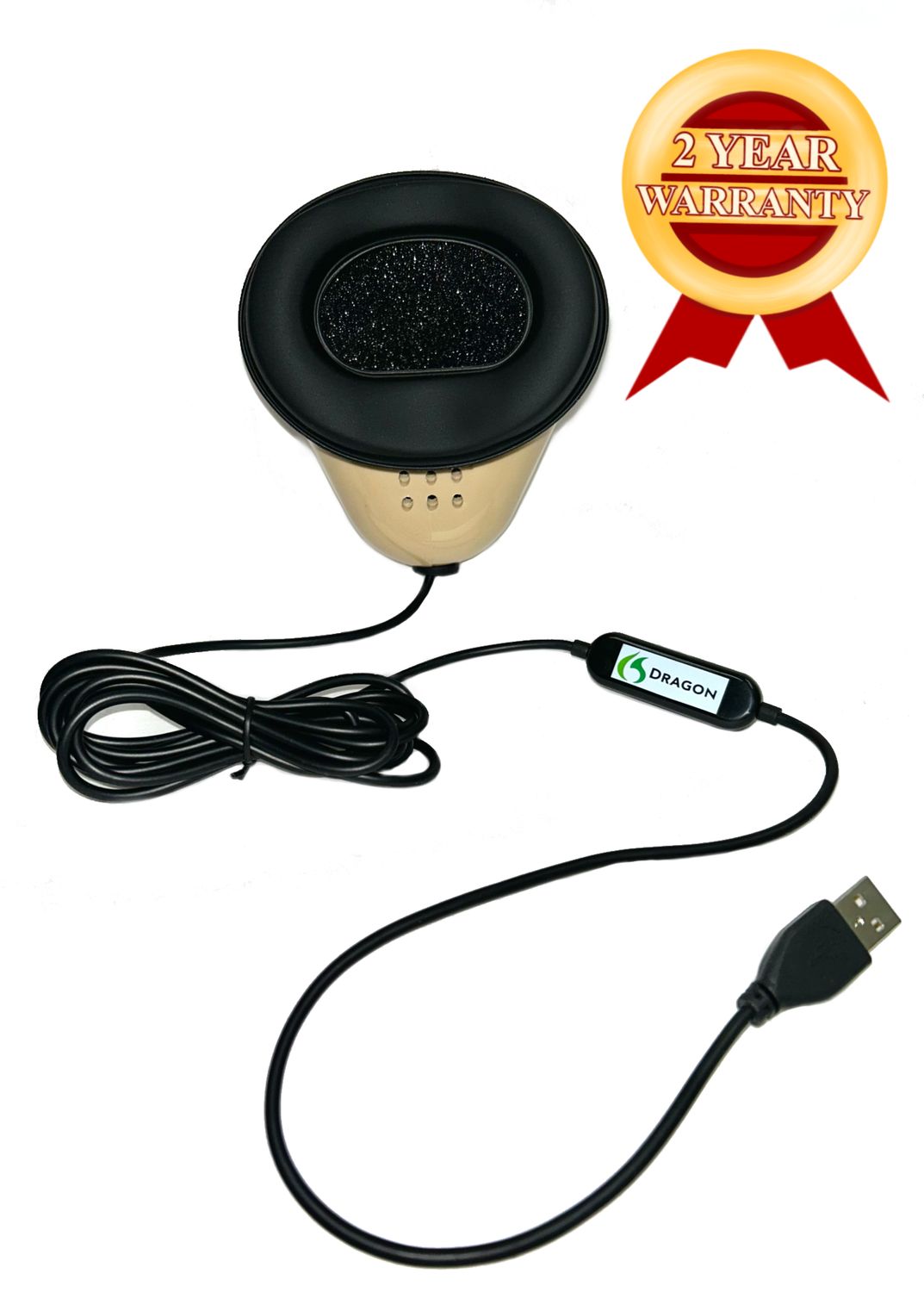
With Martel’s USB stenomask, SKU 1941, a voice writer can plug the mask into a compatible computer and choose its input in supported recording or reporting software. For this exercise its useful role is to supply an identifiable capture of your own words. Verify it with a short spoken test and listen to the saved file. If you are buying equipment for school, compare the actual product connection with the school’s current requirements and the available computer port. Once an appropriate path is verified, keep it stable while you compare unfamiliar and familiar material.

Questions and answers

Does a lower first-hearing score mean I lost the skill I had yesterday?

It shows that this particular unheard passage produced a different result under its recorded conditions. The familiar result may still accurately describe what you can do after rehearsal. Compare the missed words, speaker changes, source delivery and equipment before deciding why the results differ. Another first hearing with similar material can show whether the pattern repeats or was largely specific to one passage.

What makes an exercise truly unfamiliar to the student?

For this comparison, the student should hear the exact words for the first time during the scored attempt and have no advance view of the key. General familiarity with the topic can remain and should be noted. A passage about an unfamiliar event that the student has read aloud twice is new subject matter but already familiar wording. Record both dimensions when they affect interpretation.

Can a different reader make a familiar script fresh again?

The delivery may become new while the words remain known. That is useful if you want to test changes in pace, accent, room sound or pauses. Label the condition “known script, new reader.” Use a genuinely different script if you want to test whether the student can capture unforeseen wording. The two exercises ask worthwhile but different questions.

Should my familiar passage have the same subject as both new passages?

Comparable subjects can reduce some differences, especially if specialized terminology is the issue. Different ordinary scenes can also test whether a reporter carries a technique beyond one story. Decide which comparison you intend, then document the choice. The organizer scripts use related demands with different rooms and objects so that remembered nouns cannot supply all the answers.

Is the word count in these scripts the official count for an exam?

The guide uses a transparent space-separated count solely for its private exercises. Testing organizations or schools may specify their own counting, word treatment, timing and grading requirements. Follow the current instructions for the actual exam you are preparing for. The public certification source provides context for the profession, while these original 90-word scripts remain independent practice material.

How do I verify a rate if the reader takes a long pause?

Identify the counting and timing convention for your private exercise and apply it to all samples. If you measure from first spoken word to last, a pause inside the passage belongs inside that elapsed time. Note unusual pauses separately because they change how difficult the continuous sections feel. For school work, honor its specified method even if it differs from your private worksheet.

What if the recordings have the same average speed but one has a much faster closing sentence?

Mark the closing sentence as a local demand. Compare the speed and word errors in that region and explain the difference in your notes. You can create a follow-up source with a steadier closing or with similarly concentrated bursts in both versions. A single average cannot identify where the reporter ran out of room, and the timing of a specific loss may explain the score.

Why use two unseen sources instead of one?

One passage can have a unique difficulty, a reader mistake or an object the student misheard for reasons unrelated to familiarity. Two sources give you a second opportunity to observe the proposed pattern. Two trials are still a modest sample. Their value is practical, helping you select a sensible next exercise without treating the first unexpected score as a complete diagnosis.

What if I already read scripts B and C on this page?

Use them for guided rehearsal or to practice the scoring method. They cannot honestly represent first exposure to their exact wording once you have read them. Ask an instructor or colleague to write new sources following the same general design. You can also evaluate a known script spoken by a new reader, as long as you label that condition accurately.

How can a solo student get useful new material?

An instructor can supply original audio without advance text, or a colleague can record an invented passage and retain the key. Use practice material you are authorized to use. If you prepared the passage yourself, use it for rehearsal and indicate the prior exposure. You can still compare setups, timing and error correction honestly while arranging a future first-hearing trial.

Should I include unfamiliar proper names in all fresh exercises?

Only if name capture is part of the intended comparison. An uncontrolled group of difficult spellings can turn a narrative speed exercise into a vocabulary exercise. Introduce one clearly identified name or spelling feature in each matched passage and check it separately. Later you can run a name-heavy exercise built explicitly for that purpose and score it on its own terms.

Why do I miss an easy word after successfully capturing a hard one?

You may still be completing the difficult material or watching how it appears on screen while the next small group arrives. Locate the original difficult word, the first following connector and the next complete idea in both source and mask audio. If the same pattern occurs on another fresh recording, rehearse returning to the next words after an unfamiliar noun instead of focusing solely on spelling that noun.

Can I replay a fresh sentence to decide which word was said?

Yes for review, after you have preserved the first attempt. Label anything obtained by replay as a subsequent observation. A repeatedly reviewed sentence can settle the source wording and support learning, but it should not quietly replace the first-hearing result. If a source remains unclear to independent listeners, exclude that uncertain item from a score requiring an agreed key.

What if I predicted the familiar passage’s ending even though the reader changed it?

That is a valuable example of anticipation displacing the actual source. Save the expected old wording, the new source ending and your masked version as three distinct entries. Rehearse listening through the final phrase with other fictional sentences whose endings vary. Check whether you can detect a changed object, time or person when the earlier words make the old ending seem likely.

Why hide the written key until both new passages are finished?

The key tells the student which details matter and may reveal the general design of the second passage. Delaying review can keep the two first attempts more comparable. If your purpose is to test whether feedback immediately improves a new-source performance, review between trials deliberately and record that intervention. Use the sequence that matches the question you are trying to answer.

What is the difference between an intake mistake and a recognition mistake?

An intake mistake is visible when the original source and the reporter’s actual masked words differ. A recognition mistake may be identifiable when a clear supplied mask phrase and the application’s first text differ, subject to verification of the selected path. If you lack captured mask audio, report the observable source-to-text difference and keep the intermediate cause open.

Can unfamiliar subject matter affect a reporter even at an easy rate?

It can introduce unanticipated names, relationships and sentence structures. Check the exact words on first exposure and identify which parts of the content were genuinely new. Then compare another source at a manageable rate with familiar terminology but new wording. The result can help distinguish a subject-knowledge gap from a general difficulty operating the stenomask or following speech at that pace.

Should I keep making a passage faster as soon as I reach a high rehearsed score?

First see whether the skill you practiced appears on an unseen source at the existing pace. A rehearsed result may establish good execution on that material while leaving first-hearing transfer untested. Follow your instructor’s progression for the course. Your evidence gives the instructor a clearer basis for deciding whether to increase speed, vary the construction or isolate one difficult transition.

Does a change of computer invalidate all my previous practice?

Previous results still describe the conditions under which you obtained them. For a new comparison, identify the equipment change and verify the selected mask path before using scarce unseen material. A known baseline can reveal a new input or application problem. Once the new arrangement behaves consistently on a simple sample, begin a fresh comparison and keep the configuration in the notes.

Which Martel equipment supports a direct USB practice input?

Martel lists SKU 1941 for voice writers who want to connect the mask by USB directly to their reporting computer. Check the connector and select the correct microphone input in the program you use for the exercise. Confirm the saved sample by listening to a unique spoken identifier. The product can supply the reporter’s voice for review. Arrange the source script, playback and scoring as independent parts of your exercise.

How can I tell that the mask file matches the right unseen passage?

Use a short spoken identifier distinct from the actual material, and keep the identifier with the source filename and first text. During review, check an unmistakable phrase near the beginning and another near the end. A matched identifier and two specific locations give you more confidence than similar creation times alone, especially when several short jobs were recorded during one lesson.

Can an intentionally surprising ending make the test unfair?

It depends on the purpose and execution. An ordinary, clearly spoken change of object can test whether the reporter follows the speaker through the end. A contrived puzzle with an indistinct source word may test guesswork instead. Ask the organizer to make the passage coherent, accurately read and reasonably comparable with its companion. Label unusual difficulty openly rather than claiming that equal word count makes every passage equal.

Should I score unfamiliar words separately from the entire transcript?

A separate list can be helpful as an addition to the whole-passage result. Include the word actually delivered, what you said into the mask and the first written rendering. Do the same for a few ordinary words around it. A student may correctly capture all new terms but lose linking information. The surrounding words often reveal whether the unfamiliar material affected the rest of the sentence.

What if my two first-hearing scores disagree sharply?

Open the error sheets and inspect where each loss occurred before averaging. One sample may include a fast name, a change of reader level, a source deviation or an object reversal that the other lacked. If the differences cannot be explained from the available records, use another properly controlled fresh sample. Two conflicting observations can identify a better experiment even when they do not support an immediate conclusion.

Is an edited transcript useful in this comparison?

It is useful for measuring review and correction work when the first version is also available. If you compare only a polished familiar transcript with a raw unfamiliar first output, their different states distort the result. Preserve both first texts, then compare edited outcomes separately if desired. Keep the source and mask recordings with the version they actually support.

Why record how difficult I thought the passage felt?

The feeling can reveal a perceived sticking point worth examining. It can also differ from the recorded error location. Write the impression before reviewing the source, then compare it with the observed losses. If you felt delayed at a new noun but the actual mask loss appeared in the sentence after it, your practice plan can address recovery as well as initial identification.

Can I use these exercises with a reader who is still learning to dictate clearly?

Yes, provided the source is checked and its delivery is identified as part of the conditions. A novice reader may add pauses, change words or emphasize details differently across takes. An independent check against the script keeps the reporter from being blamed for those differences. For tightly controlled comparison, select accurate recordings and retain the actual measured duration of each.

What should I give my instructor after this exercise?

Provide the familiar exposure history, the first-hearing conditions, source identities, observed speeds if measured, and a small selection of exact word changes. State whether each change appears in your masked speech or only in the first text. Leave unresolved causes labeled as such. A concise example from each new passage usually makes the review more productive than a percentage with no supporting words.

How do I turn a passage I failed into a useful rehearsal?

Identify one verified loss, such as replacing the witness’s uncertain expression with a confident statement. Rehearse that feature slowly on the known passage, then ask for fresh testimony that requires the same listening decision in a different setting. Keep the eventual improved rehearsal score and the new first-hearing score beside each other. They show the learning step and the transfer check separately.

What should success look like over several weeks?

Look for more reliable first-hearing capture across different readers and original subjects, alongside continued improvement on identified rehearsal tasks. Notice whether comparable fresh passages show fewer losses at the same boundaries, whether uncertain items are reported honestly and whether technical discrepancies can be localized. This kind of progress gives a working reporter and an instructor useful evidence even when individual daily scores fluctuate.

Sources

This article is for educational purposes only.