Why Is One Attorney’s Seat Silent When Several Mics Feed Your Steno Writer?
Trace one quiet attorney position through a Martel Audio Grabber chain on a compatible writer. Separate a room problem from a microphone or connection fault.
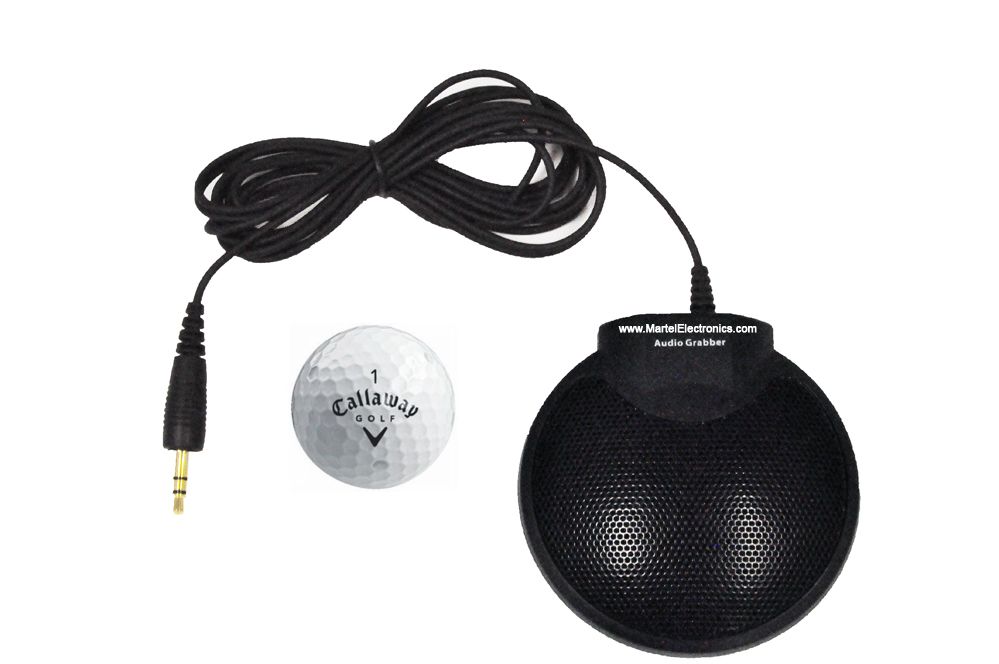
When one attorney sounds absent from a recording made with several Audio Grabbers, start with the part that still works. Can you reopen a new writer practice job and understand a sentence from a different seat? If you can, there is a recording and playback path to build on. Next find out whether the weak seat follows the person, the microphone head, its place in the chain, or an object on the table. Those possibilities call for different remedies. A working mic hidden behind an exhibit case needs a better location. A chain that loses intelligible speech every time a particular connection is added needs an equipment test. This guide follows both investigations through to a purchase or setup decision.
Define the exact complaint before moving the microphones
“His mic is dead” can describe several experiences. The reporter might hear the attorney in the room but barely recognize the voice while reviewing the job. A scopist might hear everyone except a remote attorney whose return audio was never supposed to enter the local microphones. A reporter might hear a dropout through headphones and later find the entire exchange intact in the file. First identify where the problem was observed. Identify whether you are dealing with missing audio, very weak direct speech, a brief interruption or an overlap that hides one voice under another.
Use the original recording only through the normal authorized review process. Listen at the reported time, note which other voices and room sounds continued, and preserve the original. Then work with a new practice job using fresh invented phrases. During live proceedings, use the procedures appropriate to the assignment for an audio concern. Connection experiments belong in a rehearsal or a suitable break when equipment changes are permitted. Moving a chain while someone is speaking can produce a new gap and make the initial problem harder to understand.
Check what is actually connected to the writer
The product covered here is Martel’s battery-free Audio Grabber court reporter microphone, SKU 310. Martel lists an eight-foot cord with a 3.5 mm plug and describes a chain of up to six Audio Grabbers on compatible Luminex and NexGen writers. The larger count on the product page applies to a Martel Court Reporter Mixer arrangement. Identify the actual receiver before applying either figure. A system with a USB sound interface, a mixer or a separate recorder between the mics and the computer is a different system and needs its own connection map.
Battery-free operation still requires the appropriate supported input. A socket accepting the same diameter plug can be intended for headphones, a different signal type or a device that supplies different power. Follow the published instructions for the exact writer and microphone. Keep unrelated adapters out of the first diagnosis, and do not apply an external power source simply because a product description uses the word “power.” If the equipment is unfamiliar or a cable has been substituted, identify and verify it before making conclusions about a microphone at the far end.
Give the physical microphones names that survive a seat change
Draw one line beginning at the writer’s microphone input. On it write A for the first physical Audio Grabber connected toward the writer, B for the one following A, and so on. Use removable identifiers where appropriate, clear of openings, connectors and controls. On a separate line write the seat each one normally serves, such as questioning counsel, witness or opposing counsel. A label for the equipment and a label for the place answer different questions. When an attorney moves, microphone B remains B. When a mic fails a test, its old seat still needs coverage.
Write down the connection order as it stands before changing anything. If an extension or a room cable is actually in use, include it in the correct part of the line. Note the receiver model and the input it uses. Record a short description such as “A at witness connects to the writer. B at questioning counsel connects to A. C at opposing counsel connects to B.” That describes a physical path feeding one common input. Because the system shares a path to the writer, a phrase audible in the file may have reached any nearby working microphone. The identification work below addresses that ambiguity.
Reproduce the seat problem with words you can recognize
Give each test speaker a unique role and phrase. For example, the person at A says “witness, brass key.” B says “questioning counsel, narrow bridge.” C says “opposing counsel, orange card.” These invented words are identifiers. For the first round have each person speak separately while the writer operator makes the necessary strokes for the test job. Have a listener identify the two-word detail from each seat without seeing the list. Restore the actual exhibits, laptop screens and chair orientations before the next round so the comparison represents an ordinary deposition table.
Save the job and reopen it. If every detail is clear one at a time but the opposing attorney disappears when interrupting, the initial finding is overlap or relative level. If the C phrase is weak even when all other people are silent, investigate location and chain contributions. If all three are missing, begin with the receiver, recording enablement and playback rather than buying an additional mic for one chair. Write these outcomes as observations. The word “dead” implies more certainty than a mixed file can provide without further comparisons.
Build a working one-microphone reference
Finish the current practice job and use the equipment maker’s normal connection procedure. At the writer, use one Audio Grabber in a supported configuration with the usual cable relaxed. Put the head at a clear working position on the table. Use a speaker close enough for a convincing ordinary speech trial and a new phrase such as “reference, pale marble.” Record a few moments of silence, the phrase and a second short sentence. Close the test job and recover the phrase from its saved recording through the expected headphones or review path.
That working example anchors the rest of the diagnosis. It establishes which microphone assembly, compatible input, writer setting, job start and listening route worked together on this table. Keep the setup nearby and note its configuration. If the one-mic reference fails, check that the selected writer supports it, the input is correct, job recording is enabled, there is appropriate recording media and the playback output works on a known file. On supported writers automatic pause behavior can matter if nobody writes during the test. Resolve an uncertain reference first. A chain of three unknown microphones cannot establish which one supplied no signal.
Add one link at a time and repeat the earlier voice
Once A works by itself, add B according to the supported arrangement and put the heads far enough apart for a useful location comparison. Have one speaker say a fresh phrase near A, then another near B. Reopen the saved job and write down both results. Keep A’s earlier phrase out of the new recording so a stale file cannot masquerade as a newly successful test. When both locations supply distinguishable speech, add C and test A, B and C again. Repeat through the installed chain, within the model’s supported count.
The extra check of earlier voices is essential. If A becomes unreliable after you add B, the finding is different from B alone being weak while A stays clean. The new combination, connecting interface, lead routing or a change made during reconnection may affect the whole arrangement. Disconnect between completed tests as instructed and restore the last configuration that passed. If A alone returns to normal, you have a boundary between a reproducible good setup and a bad one. That narrows the task even though it does not yet identify a failed internal component.
Test whether the problem follows the equipment or stays with the table
Suppose A and B sound clear and the attorney by C sounds far away. First move a known-working head to C’s speaking position using a supported route and record the same kind of normal answer. Keep the equipment order documented, especially if moving the head changes the wiring. If the proven microphone also struggles in that seat, move the paper stack or adjust the head’s location with permission and test again. You have a practical reason to investigate the table before assuming C needs replacement.
Then try the suspect assembly in the position and configuration where the known one passed. Use a new practice job, the same receiver and a similar speaker distance. If the suspect also fails on the proven path and the good assembly passes again, the symptom follows the suspect equipment more strongly. A difference requiring movement of several leads at once should be labeled as a change to that group of parts. Do not attribute it to a particular cable unless you can isolate that cable independently using the manufacturer’s supported connections.
Separate local pickup from distant spill
A speaker can be heard faintly by A or B even when C contributes nothing. That spill makes a weak recording more difficult to diagnose than an absolutely silent file. For a practice run, have a helper speak in an ordinary voice near C and then repeat from a clearly different location near A. Move the suspect head alone where the connection and room allow. Listen for a change that follows the head. A voice that remains distant as the mic moves closer may be reaching only the earlier, farther microphones. It can also reflect a wrong input or an obstruction, so retain more than one possible explanation.
A useful additional trial is the known-working single-unit reference in each relevant seat, with comparable speaking distance and a clear surface. If both assemblies produce convincing local speech alone but one seat fades in the full chain, the complete connection order and room layout deserve attention. Use speech rather than banging, blowing or scraping the microphone. A loud impact can travel through the table or into another head, producing impressive evidence that something heard an impact and little evidence about the local pickup of ordinary words.
Give the work surface a fair hearing
The Audio Grabber is a low-profile microphone intended for use on a suitable surface. Its published description refers to pickup around the unit in the space above that surface. A head under a pile of folders, wedged behind a large laptop or hanging down the side of the table is being used in a different position from a clear tabletop. Look at the microphone from the attorney’s actual chair before setting it down. The reporter looking over the top of a monitor may have a clear view the seated attorney never has.
Arrange a short reading exercise with the exhibit material in its normal place. Have the attorney read a few digits while looking down and complete the answer looking toward the witness. If the opening digits disappear, move the head to a permitted open location that remains useful in both directions. Then have the person handle the binder while another speaker talks. A cable tucked under the binder can drag a head or introduce handling noise elsewhere in the chain. Record the improvement in terms of the recovered words and the normal movement still possible at the desk.