In this guide
- Start with the sentence a reviewer has to recover
- Name the package, source and saved file
- Make a listening card before entering the vehicle
- Establish an ordinary stationary baseline
- Find out what one ordinary cabin change affects
- Practice recognizing a quiet file, a masked number and a missing ending
- Listen to the export in a way the department can repeat
- Give the buyer an answer they can put in a purchase record
- Follow a disagreement back to the right point in the demonstration
- Decide what each person should bring to the next appointment
- Practical questions and answers
Use an authorized stationary vehicle and harmless practice speech to find out what the proposed package actually records. Identify whose speech the buyer needs to hear, which microphone is active and which saved file the reviewer opens. Identify the model and recording source, then change one ordinary acoustic condition at a time. A result observed on one vehicle and configuration should be reported with those conditions.
Start with the sentence a reviewer has to recover
Suppose the person reviewing a training recording hears, “Leave the blue folder at the Maple desk.” They can hear a voice all the way through. Ask them which folder and which desk. Those answers reveal more about the value of the recording than a volume meter or the sight of a picture on the display. Now add a number to the sentence and have the speaker correct it once. Can a second person recover the final number without being told it in advance? That is a practical starting point for an in-car audio demonstration because someone reviewing a saved recording has to understand details without the benefit of having been there.
Decide whose speech the proposed equipment should capture. A person wearing the supplied officer microphone and a second person speaking from a seat are different sources. Even when the two voices are in the same compartment, their distance and orientation to the active microphone can differ. A recording may capture the wearer clearly and leave the second person hard to understand. If both voices matter to the purchasing decision, give each speaker a distinctive line and a place on the review sheet. Have the equipment representative identify the audio inputs and recording behavior in the exact package being demonstrated.
Choose a harmless assignment that can be done with the vehicle parked in an approved training location. One participant can read a pretend delivery instruction while a second reads back a confirmation. A third person can review the recording afterward. Let the reviewer know the type of detail they will be asked to recover, such as a destination, a number or the last word. Keep the actual answer with the speaker until the reviewer has written down what they heard. A person who has seen the words can fill a gap unconsciously. The goal is to discover which details survive in ordinary speech.
Write down what would make the result useful to the buyer. One agency might need to distinguish the wearer's numbers on the first listen. Another might principally need to confirm whether a specified voice is present on a particular file. A trainer may want to know whether a person who has never used the system can locate the sample at the review station. Those are three different questions. A clear answer to one earns a line on the sheet. It leaves the other two for their own observations.
Name the package, source and saved file
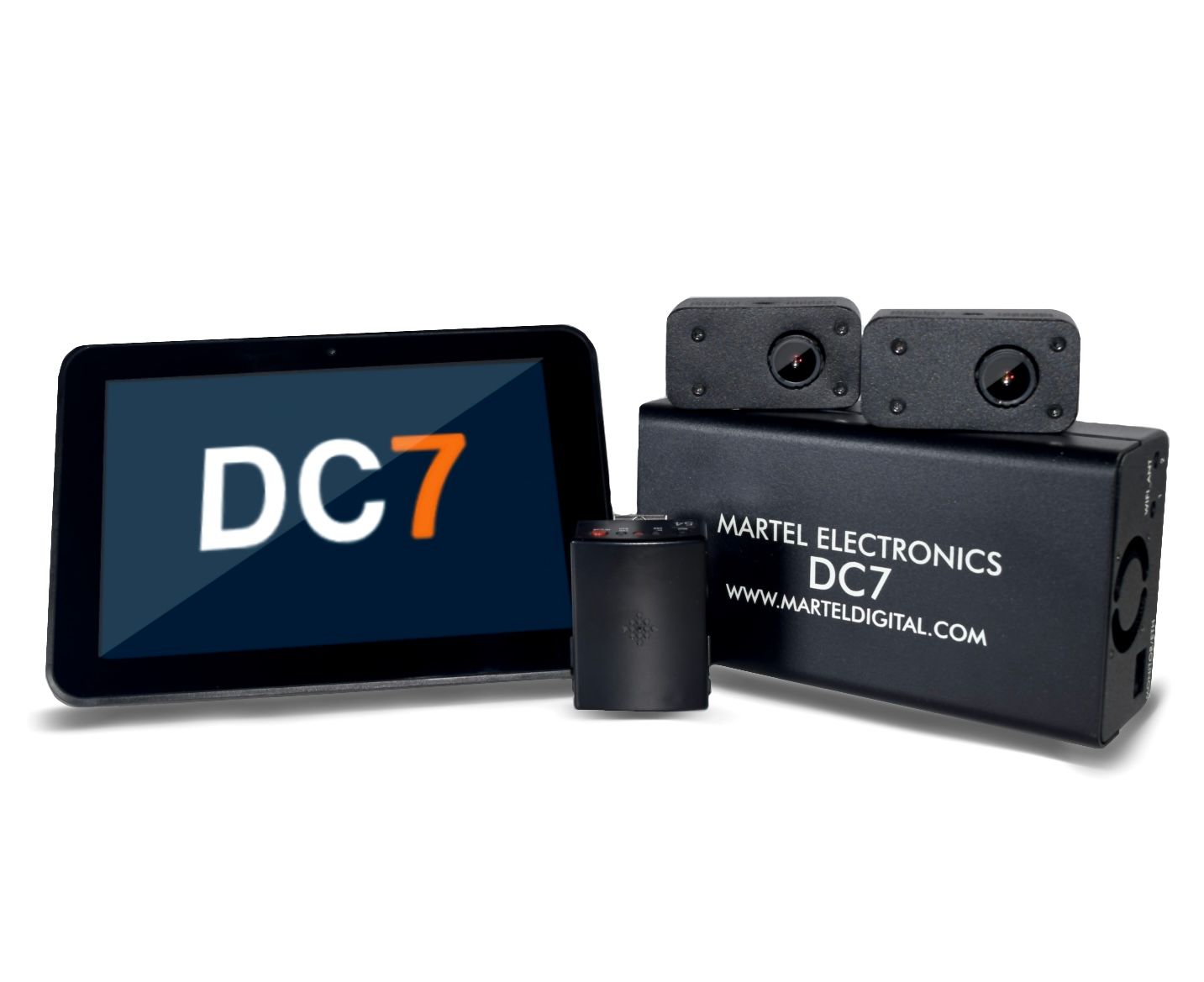
The Martel DC7 police car camera system, SKU 2078, is a vehicle system with a dedicated recorder, front and rear camera coverage and an officer wireless microphone. Martel lists MP4 recording and describes wireless file upload as an available option. An agency evaluating the DC7 can therefore name several different things it might want demonstrated. The microphone has to deliver speech to the recording system. The recorder has to save the selected event. The person reviewing it has to identify the correct file and hear the relevant speech. An upload option, if ordered and configured, adds a separate transfer step.
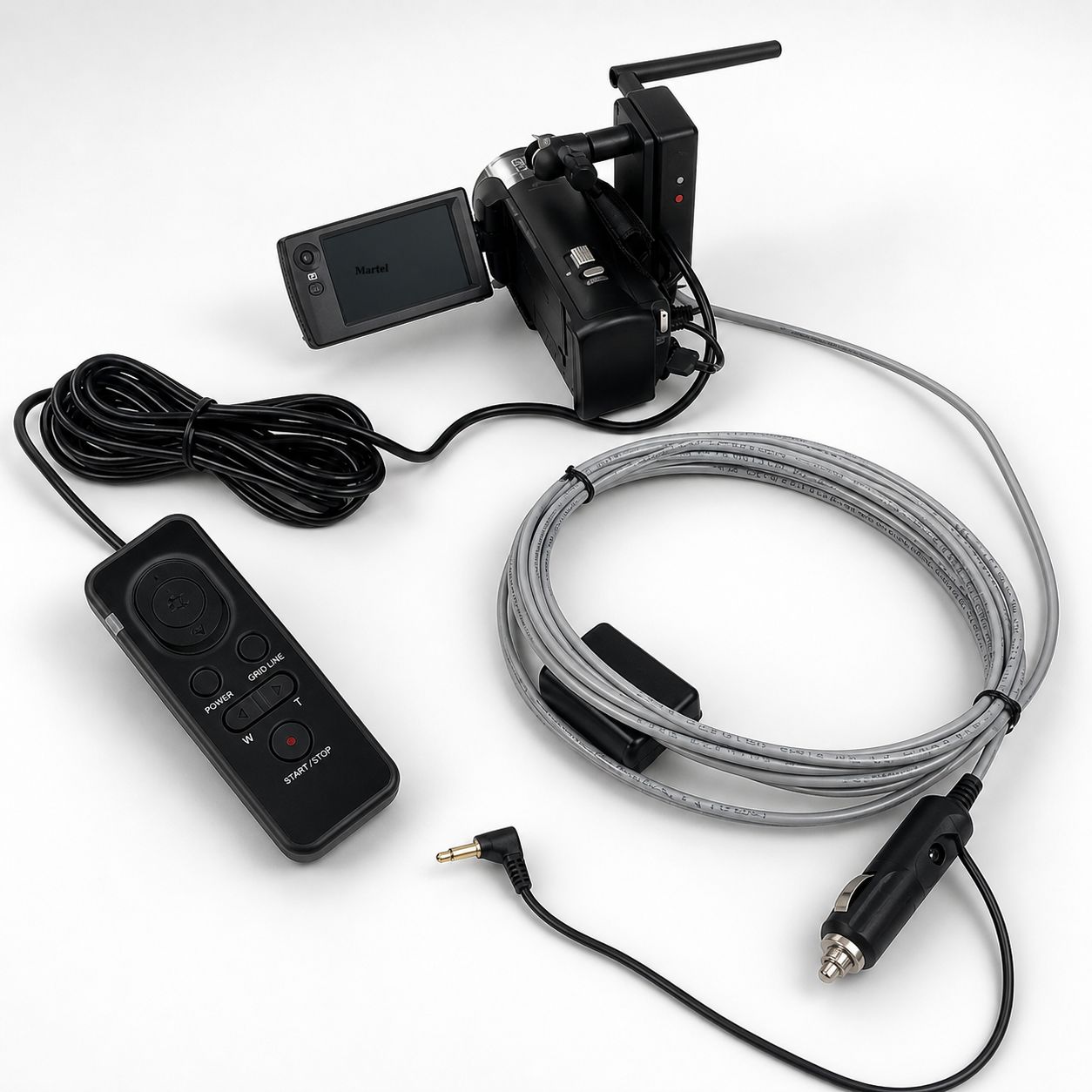
The Martel MDP6 police dash camera system, SKU 3311-2, uses a different equipment arrangement. The listing describes removable memory card recording, a remote and officer wireless audio in the package. During a demonstration, identify how the particular camera and microphone have been set up and how the proposed reviewer will receive the practice file. A picture on the local display and an illuminated microphone show that equipment is present. They leave open what sound was saved, under which file identifier, and whether it can be reviewed at the agency's normal workstation.
For both packages, ask the representative to point out the sound source used in the first pass. If there is more than one source or more than one supported configuration, ask how the operator can tell which is active. Ask how the reviewer identifies each available view or audio choice after export. Write down the answer in language specific to that demonstration. A two-camera picture by itself does not tell a buyer how many independent soundtracks a player will offer. The ability to hear one microphone does not establish what is heard from another seat.
Give the exercise a short, unique name and note the date and local time convention privately. The test coordinator might use a harmless marker such as “Maple desk practice, first pass.” When the authorized reviewer has several clips to choose from, the words give them an additional way to establish which one they opened. Record the file identifier supplied by the system and the approximate point in playback where the marker is heard. Keep the original filename and any mapping to the training label in accordance with local practice.
Make a listening card before entering the vehicle
Prepare four small cards that a speaker can read in a natural voice. A first card can name a desk and a number. A second can change the color of a folder. A third can correct the first digit of an invented reference. A fourth can end with a short but consequential word such as “Tuesday.” Make the alternatives plausible. If every card ends in the same phrase, a familiar listener can supply the ending without hearing it. Keep a separate key with the person running the exercise and identify each card by a neutral letter.
A useful line is short enough to repeat under similar conditions yet contains information that cannot be inferred entirely from its opening. “Bring the green file to table nine on Friday” gives the reviewer a color, a number and a day. “Return the blue folder” tests whether the whole final instruction is present but says little about the difficulty of hearing digits. “Use ticket sixty, correction, sixteen” reveals whether the listener distinguished an initial value from the final value. Pick the kinds of distinctions the buyer cares about and score them separately.
Use a listening sheet with just enough space for the actual observation. Start one row per combination of run, speaker and review point. Give the reviewer a place to write what they heard in their own words, how many times they listened and what they are unsure about. Ask them to underline a doubtful word or enter “uncertain.” A blank is ambiguous. It could mean the reviewer forgot to check, the word was inaudible or there was no permitted opportunity to review that file. Those outcomes deserve different notes.
| Run | Source the operator identifies | Requested observation at review | Example useful entry |
|---|---|---|---|
| First parked pass | Wearer's microphone as configured | Recover the number without the answer key | Heard “sixteen” on the second play |
| Separate seat check | Source specified for that seat, if provided | Identify the color and final day | Color clear, final day uncertain |
| Ventilation change | Same source and speaker as baseline | Note any change in the recoverable details | Number clear, last word required replay |
| File handoff | Saved file at the intended workstation | Match the spoken marker to the correct file | Opening marker and last instruction located |
Reserve a line for a recording that could not be opened or found. It is tempting to omit a failed attempt and count only the usable clips. A buyer paying for a complete recording and review process needs to know whether the barrier occurred before listening even began. A missing file should be investigated through the department's ordinary procedure. Label it separately from a file that opened correctly but contained hard-to-understand speech.
Establish an ordinary stationary baseline
Start with the vehicle in the agreed parked state and the participants in the positions described for the first run. Let the person responsible for the vehicle manage any ventilation or other vehicle settings under local policy. Note whether the windows are open, which ordinary background sounds are present, who is speaking, the approximate speaking position and how the microphone is being used. A quiet lot with the windows closed can supply a useful reference even when the real environment is more variable. Its value comes from knowing what it contained.
Use the same person to read two different cards at a conversational level. They can pause briefly before the first sentence and after the last. These short pauses give the reviewer some surrounding sound to orient themselves. Pronouncing every word like an announcer can conceal the very difficulty the department wants to recognize in everyday speech. If the speaker has to repeat a line because someone interrupted, identify the repeated attempt. Keeping the first and second attempt distinguishable is easier than trying to reconstruct which recording the reviewer later assessed.
End the sample in the ordinary supported manner and let the authorized operator complete the saving procedure for that device. Ask the reviewer to locate the file, identify the card's opening and listen to the end. Record the playback device and application. A built-in workstation speaker, an approved headset and a presentation monitor with its own volume control can produce different listening experiences from the same file. Identify which one represents how staff are expected to review recordings. If a second playback device is used to investigate an observation, give that check its own line.
Once the reviewer has written down their answers, compare them with the card. Mark the actual match or omission. “Identified Maple, heard the number on repeat, missed Tuesday” gives the next operator something to investigate. “Good audio” leaves them with almost nothing to reproduce. If the independent reviewer recovers the baseline easily, the group has demonstrated something specific about that source, file and review configuration. It can now change a condition and see whether the result holds.
Find out what one ordinary cabin change affects
Change one agreed condition while the vehicle stays parked. An example is to move from the documented baseline ventilation setting to another normal setting. Keep the same speech source and reviewer arrangement and use a comparable new card. Tell the listener that there is a second sample. If practical, withhold which ordinary condition changed until after their first review. The person operating the vehicle already knows the change. The reviewer does not need that cue to report which syllables or words they heard.
If the resulting recording has more background sound, ask a more precise question before concluding that it failed. Can the listener still recover the color, number and last word that mattered in the baseline? A steady sound may be noticeable while the useful speech remains clear enough for the task. Conversely, the room between sentences can seem quiet even when a brief sound coincides with one critical number. A press of a key, a short movement or a nearby conversation can affect one part of a sentence. Note where the problem is heard in the saved file.
A window-open trial is a separate condition. Identify the window used and the ordinary surroundings that were audible while the stationary sample was being made. A change heard in an empty training area on a calm day cannot stand in for every vehicle, road or weather condition. A second person speaking farther from the active microphone also creates its own condition. The buyer gets a clearer result from three short labeled runs than from one longer conversation in which windows, fan settings, speakers and microphone positions all change together.